The Curse of Oak Island Uncovers Stunning Clues Linked to Lost Treasure Chests
Rick Lagina and Gary Drayton Search Lot 21 for Hidden Secrets
Rick Lagina and metal detection expert Gary Drayton continued their search for hidden clues on Oak Island by exploring Lot 21, an area connected to the legendary Daniel McGinnis.
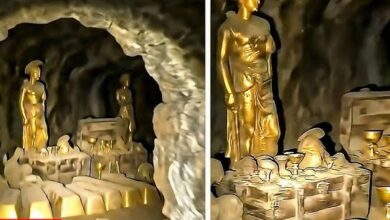
McGinnis, one of the original discoverers of the Money Pit in 1795, later built a home on the island and spent much of his life searching for treasure. Years earlier, descendants of McGinnis shared a remarkable family story with Rick and Marty Lagina involving three treasure chests supposedly discovered deep inside the Money Pit. One mysterious artifact from those chests was even presented to the team.
Although the remains of McGinnis’s home are now protected historical ground, the surrounding area still held potential for important discoveries.
Almost immediately, Gary’s detector began producing signals.
A Jeweled Brooch Discovery Stuns the Team
While scanning the ground near the old McGinnis property, Gary uncovered what appeared to be an ornate jeweled brooch buried only inches below the surface.

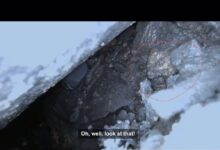


The discovery immediately caught Rick’s attention because it closely resembled another brooch previously found on Lot 8 — one believed to possibly date back to the 16th century.
Unlike ordinary colonial artifacts, the brooch appeared decorative, heavy, and highly detailed. Gary described it as a “bobby-dazzler,” his trademark term for especially valuable or unusual discoveries.
Rick quickly realized the potential significance.
If the artifact predates known treasure hunting activity on Oak Island, it could point toward wealthy visitors or organized activity on the island centuries before the Money Pit’s official discovery.
For the team, the brooch was not simply jewelry.
It may have been evidence that individuals connected to wealth or status once operated on Oak Island long before modern searchers arrived.

Decorative Hinges Raise New Treasure Chest Theories
Elsewhere on Lot 12, Gary Drayton, Charles Barkhouse, and Jack Begley made another potentially major discovery: decorative metal hinges buried near what the team believes may be an ancient dump site.
Gary immediately recognized the hinges as the type commonly attached to old chests or boxes. Similar examples had previously been found on historic shipwreck sites.
The possibility immediately reignited theories surrounding Captain James Anderson’s missing treasure chests and the famous skeleton key once discovered by Fred Nolan.
The team soon uncovered a second hinge nearby, further strengthening the idea that the site may once have contained old chests or storage containers.
For Rick Lagina, the discovery transformed the Nolan property into what he called “a mystery within a mystery.”
If treasure chests once existed there, the area may still contain additional hidden artifacts buried underground.
The Team Believes They Have Found an Ancient Dump Site
As excavations continued, pottery fragments and other debris began emerging from the soil around the hinge discoveries. Gary became increasingly convinced the crew had located a centuries-old dump site connected to activity around the Money Pit.
Marty Lagina later joined the group to inspect the discoveries personally. After examining the hinges, he openly suggested they could be connected to a missing chest.
For the team, the dump site may represent an area where materials, broken tools, or discarded objects from earlier treasure operations were intentionally buried.
The discoveries also marked an important step in cooperation with Tom Nolan regarding continued exploration of the historic property.
A Possible Underground Tunnel Changes Everything
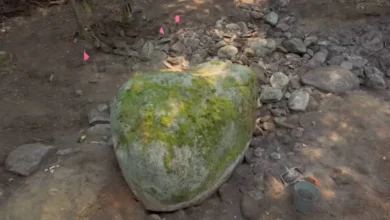
Meanwhile, another potentially enormous breakthrough was unfolding near the Samuel Ball property. Rick Lagina and Billy Gerhardt arrived to inspect what appeared to be a hidden underground void beneath a stone feature near the Ball foundation.
The void aligned directly with a previously identified underground anomaly.
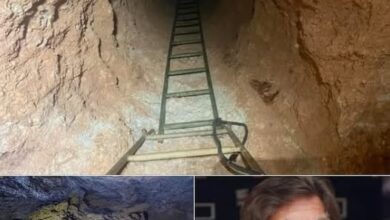
As Billy carefully removed stones from the area, the opening began resembling a tunnel or hidden chamber. The discovery immediately sparked speculation that Samuel Ball — one of Oak Island’s most mysterious historical figures — may have discovered something valuable during his lifetime.
Samuel Ball, a formerly poor cabbage farmer, became one of the wealthiest landowners on Oak Island in the late 1700s, fueling centuries of speculation that he secretly uncovered treasure.
Rick openly admitted the possibility was difficult to ignore.
“What could be more secret than some understanding of the mystery here?” he asked while examining the void.
Ancient Tunneling Tools Add More Mystery
The possible tunnel became even more intriguing because the team had already uncovered several ancient tunneling tools across Oak Island during previous excavations.
Those discoveries included iron chisels and swages estimated to be over 600 years old — artifacts suggesting underground construction activity may have occurred on the island centuries before modern treasure hunting began.
If the newly discovered tunnel connects to those earlier findings, it could represent part of a much older underground network hidden beneath Oak Island.

The Tunnel Exploration Reveals a Strange Obstruction
On nearby Lot 25, Rick and Marty Lagina, along with Laird Niven and underground camera operator Derek Hale, began exploring another stone tunnel-like structure using a remote camera system.
The interior appeared remarkably well built, featuring flat stone ceilings and signs of intentional construction. Marty Lagina repeatedly noted how unnatural the structure appeared.
As the camera advanced roughly 14 feet into the passage, it suddenly stopped against a massive stone obstruction.
The discovery immediately raised a troubling question:
Was the stone naturally deposited there, or intentionally placed to block access to something deeper inside?
Despite the obstruction, Derek Hale believed the tunnel likely continued beyond the blockage because the surrounding soil appeared heavily disturbed.
For Rick Lagina, one conclusion became unavoidable.
“This is a man-made something,” he said. “It can’t be a tunnel to nowhere.”
Oak Island’s Underground Mystery Deepens Again
The latest discoveries across Lots 12, 21, 25, and the Samuel Ball property continue expanding the mystery surrounding Oak Island.
Jewelry linked to wealthy historical figures.
Decorative chest hinges.
Ancient tunneling tools.
Possible underground chambers.
And hidden stone tunnels blocked by unexplained obstructions.
For Rick and Marty Lagina, each discovery adds another layer to a mystery that now appears larger and more complex than ever before.
The biggest question remains the same:
Were these structures built to hide treasure, protect secrets, or conceal something even more important beneath Oak Island?
As excavations continue, the team believes the answers may finally be getting closer.