Scientists Test “Yeti Evidence” as Expedition Unknown Investigates the Mystery Behind the Abominable Snowman

A decades-old mystery surrounding the existence of the Yeti — the legendary “Abominable Snowman” said to roam the Himalayan mountains — has returned to the spotlight after a scientific investigation featured in Expedition Unknown: Hunt for the Yeti. In the episode, researchers put alleged physical evidence through modern testing in an attempt to determine whether the creature is myth, misidentification, or something yet to be scientifically explained.
The Yeti legend has persisted for centuries in Himalayan folklore, particularly across Nepal, Bhutan, and Tibet, where local communities describe encounters with a large, ape-like creature living in remote snow-covered regions. While mainstream science has long attributed such sightings to misidentified wildlife — such as bears or other mountain species — interest in the possibility of an unknown primate species has never fully disappeared.
A Scientific Approach to a Legendary Creature
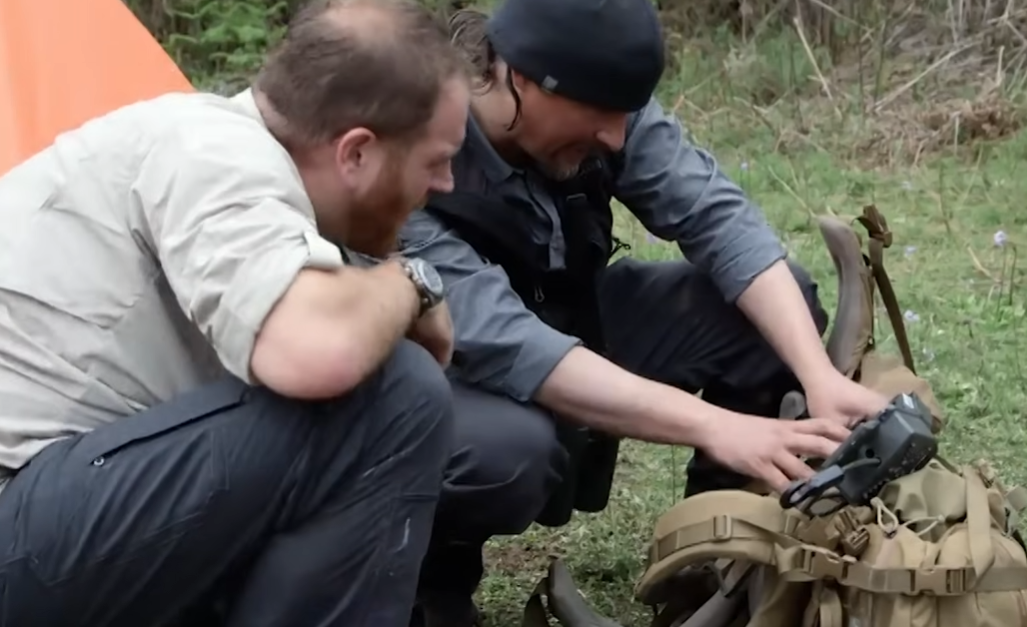
In the Expedition Unknown investigation, host Josh Gates joins researchers and field experts in examining what is described as physical evidence linked to Yeti sightings. The team’s goal is not to confirm folklore, but to apply modern scientific tools — including DNA analysis — to determine whether any biological traces could support claims of an unknown species.




The investigation highlights how advancements in genetic science have changed the way mysterious biological samples are studied. In earlier decades, evidence such as hair, bone fragments, or scat often went untested or produced inconclusive results due to limited technology. Today, even degraded biological material can be analyzed to identify species origin with high accuracy.
The Evidence Under the Microscope
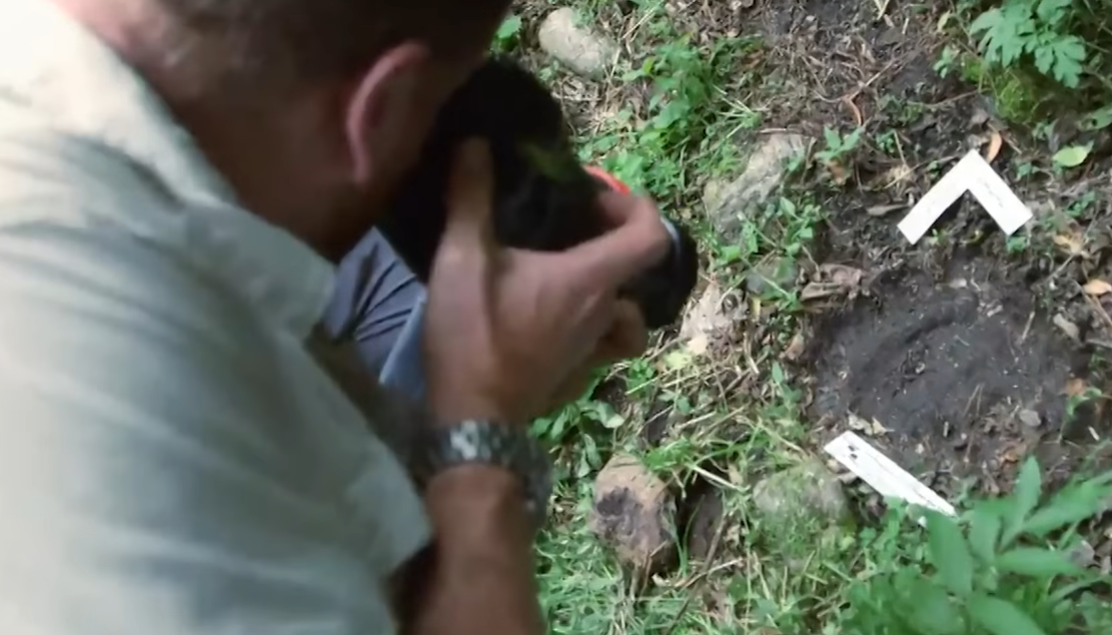
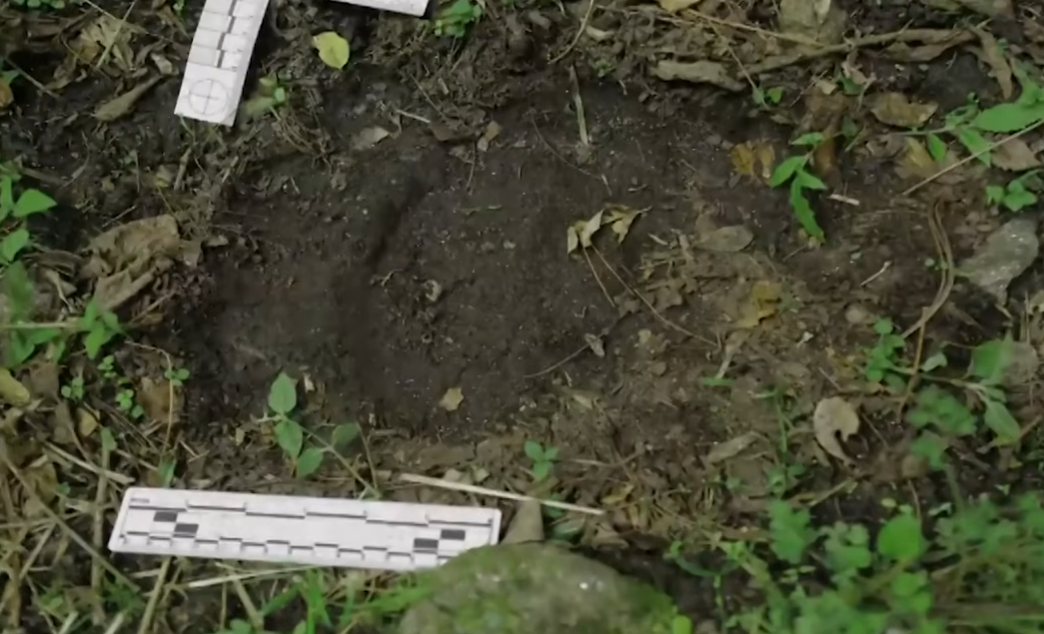
Among the items examined in the episode are samples allegedly collected from remote Himalayan regions where Yeti sightings have been reported. These include hair strands and biological remnants said to have been found near high-altitude caves and trekking routes.
Researchers subject the samples to DNA sequencing, comparing genetic markers against known databases of animals native to the region. The process is designed to quickly eliminate common species — such as bears, goats, and wolves — which are frequently responsible for misidentified sightings in mountainous terrain.
In most similar past investigations, results have typically traced such samples back to known animals, reinforcing the scientific consensus that Yeti sightings are often the result of environmental misinterpretation, poor visibility, or cultural storytelling traditions passed through generations.
Why the Yeti Mystery Persists
Despite repeated scientific explanations, the Yeti continues to capture global imagination. Part of the appeal lies in the remoteness of its supposed habitat. The Himalayan region contains vast, unexplored terrain, extreme weather conditions, and limited accessibility, leaving room for mystery and speculation.
Local accounts often describe the Yeti as a large, bipedal creature with thick fur, adapted to survive freezing temperatures. While skeptics argue that such descriptions likely stem from sightings of bears walking upright or optical illusions in harsh conditions, believers point to the consistency of stories across different communities as intriguing.
Science vs. Legend
The Expedition Unknown episode emphasizes a careful balance between scientific skepticism and open-minded exploration. Researchers involved in the testing acknowledge that extraordinary claims require extraordinary evidence, but also stress that science progresses by investigating the unknown rather than dismissing it outright.
One of the key takeaways from the analysis is that modern genetic testing has significantly reduced ambiguity in biological mysteries. If an unknown primate species were present in the Himalayas, DNA evidence would likely provide clear indicators of divergence from known animals. So far, no such confirmation has been found.
The Role of Modern Technology
Advances in portable DNA sequencing and field research tools have transformed how expeditions like this are conducted. Scientists can now perform preliminary analysis in remote environments before sending samples to laboratories for deeper examination. This reduces contamination risk and increases the reliability of results.

The episode showcases how technology continues to reshape the boundary between myth and measurable reality. What once required speculation can now be tested within days or even hours, narrowing the gap between folklore and scientific verification.
Conclusion: A Mystery That Endures
While the Expedition Unknown investigation does not confirm the existence of the Yeti, it reinforces why the legend persists. The combination of remote geography, cultural storytelling, and occasional unexplained sightings ensures that interest in the creature