Jeremy Clarkson Urged to Make Major Change at Diddly Squat Farm
Campaigners Call for Shift Away from Livestock Farming
Television presenter Jeremy Clarkson has once again found himself at the centre of controversy, this time after animal rights campaigners urged him to abandon livestock farming at his Oxfordshire holding and adopt a vegan approach instead.
The call has come from the organisation PETA, which is encouraging Clarkson to transform his farm into a vegan-run animal sanctuary. The group argues that such a move would demonstrate compassion and offer a powerful public statement about ethical farming in modern Britain.
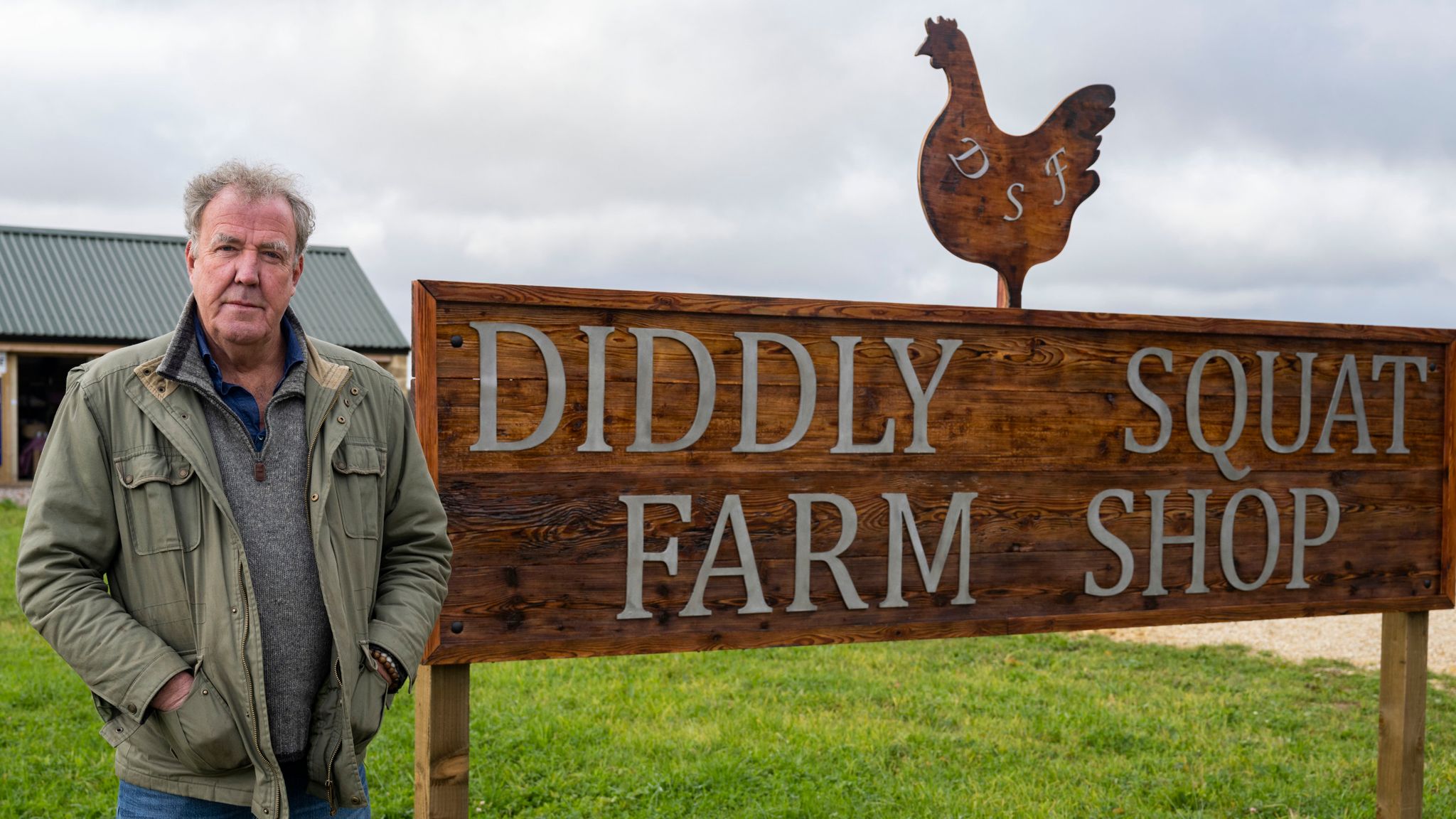
Diddly Squat’s Rise to National Attention
Clarkson purchased Diddly Squat Farm in 2008, long before it became a household name. Originally known as Curdle Hill, the farm was initially an investment rather than a hands-on project. That changed in 2019, when Clarkson took direct control of its operations.
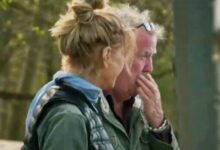
The farm later became the focus of Clarkson’s Farm, which has run for four seasons to date, with a fifth currently in production. The programme has offered viewers an unfiltered look at the realities of British farming, documenting Clarkson’s struggles with regulations, unpredictable weather, crop failures, and the complexities of animal husbandry.
Expanding Beyond the Farm
In recent years, Clarkson has broadened his rural business interests beyond agriculture. In 2024, he purchased a pub in Asthall, Oxfordshire, reopening it as The Farmer’s Dog. Like Diddly Squat Farm, the pub has featured prominently in Clarkson’s Farm, highlighting the challenges of running a hospitality business alongside a working farm.
Both ventures have attracted large numbers of visitors, with fans travelling from across the country to see the locations featured on the show. However, the visibility has also brought increased scrutiny from campaigners and critics.
PETA’s Call for a Vegan Transformation
PETA is now urging Clarkson to make what it describes as a “major change” by ending livestock farming at Diddly Squat and repurposing the land as an animal sanctuary. The organisation argues that animals currently raised for food should instead be allowed to live out their lives in peace.
Campaigners believe that such a transformation would align with growing public concern over animal welfare and environmental sustainability. They also suggest that Clarkson, given his large platform, could influence public attitudes if he were to embrace a plant-based lifestyle.
A Provocative Christmas Campaign
As part of its appeal, PETA has sent Clarkson a controversial festive gift known as a “Christmassacre jumper”. The item, designed to draw attention to animal suffering during the Christmas period, has been used by the organisation in previous campaigns.
According to PETA, the jumper has been worn by what it describes as “compassionate celebrities” and is intended to prompt reflection on traditional festive eating habits. The organisation hopes the gesture will encourage Clarkson to reconsider his views on farming and food production.

Direct Message to Clarkson
In a letter accompanying the gift, PETA’s Vice President of Programmes, Elisa Allen, outlined the group’s position. She wrote that Christmas should be a time for peace and goodwill, adding that adopting veganism would be a meaningful way to extend those values into everyday life.
Allen said the organisation hoped the campaign would inspire Clarkson to “transform Diddly Squat Farm into a sanctuary where animals can live out their lives in peace”.
No Response So Far
Clarkson has not publicly responded to the campaign or the gift. He has previously been outspoken in his criticism of veganism and animal rights activism, frequently defending traditional farming practices in his newspaper columns and on television.
Whether the latest appeal will prompt any change remains unclear. What is certain is that the debate has once again placed Clarkson — and Diddly Squat Farm — at the heart of wider discussions about food production, animal welfare, and the future of British farming.