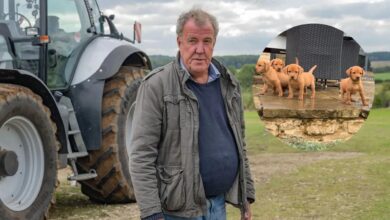
Jeremy Clarkson Expands Diddly Squat Farm After ‘Sad’ Realisation About Vanishing Birds

A Quiet Moment That Changed Clarkson’s Approach to Farming
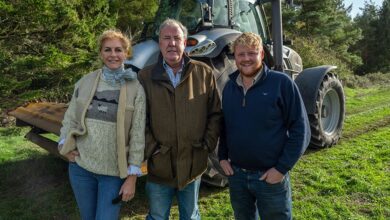
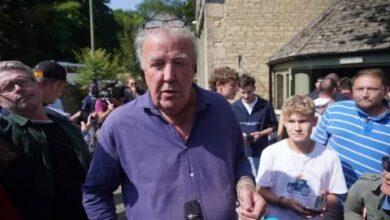
Jeremy Clarkson has revealed the moment that pushed him to overhaul large parts of Diddly Squat Farm, describing how the silence of empty skies left him feeling “sad”. The former Top Gear presenter, who bought more than 1,000 acres including Curdle Hill Farm in 2008, said he was struck by the dramatic decline in birdlife when he began walking the land.
The farm had long been run by a tenant. But when they stepped away in 2019, Clarkson took on the agricultural work himself — a move later documented in the hit Amazon Prime series Clarkson’s Farm.
Writing in his Sunday Times column, Clarkson said the disappearance of birds was impossible to ignore. “Since 1970 their numbers have plummeted by more than 60%,” he noted. “When I first bought Diddly Squat… the skies were completely empty.”
A Decision to Reverse the Decline
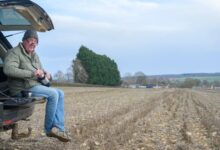
Clarkson said the bleak landscape convinced him to take immediate action. He stopped trimming hedges away from the roadside and widened the margins along his fields. While most farmers leave between four and six metres, Clarkson extended some areas to 10 metres — knowing it would reduce food production but improve wildlife habitat.
“It made me sad,” he wrote. “So I decided to do something about it.”
New Ponds, Wildflowers and Expert Advice
In a broader effort to reshape the farm into a bird-friendly environment, Clarkson has also dug multiple ponds — partly, he joked, because of his love for using diggers. More importantly, he hoped the water sources would encourage farmland birds to return.
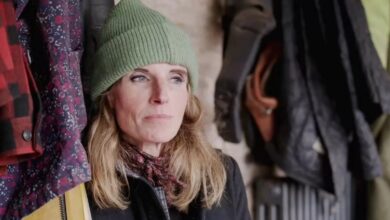
He later planted wildflower strips to boost insect populations and sought guidance from bird conservationist Hannah Bourne-Taylor, known for once extending a trip to Ghana by 84 days because a bird nested in her hair.
Hannah advised Clarkson to introduce a wider range of plants “with Latin names” and urged him to create even more ponds. Dry weather, however, hindered the success of his flowers this year.
“A corn bunting rarely strays more than a mile from the hedge where it was born,” Clarkson recalled her explaining — meaning birds need resources close by.

From Birdless Fields to a Thriving Haven
Despite the setbacks, Clarkson’s efforts are paying off. Hannah eventually recorded 45 bird species at Diddly Squat — compared to the national average of 27 on a typical farm. Whitethroats, goldfinches, buntings and skylarks were among the species identified.
Clarkson joked that many of them were “small and boring”, but acknowledged that the transformation was both meaningful and rewarding.
Beyond the Farm: A Costly but Popular Pub Investment
Clarkson’s agricultural ventures now extend beyond the fields. He has invested heavily in his local pub, The Farmer’s Dog. Though he admits the business is costing him a “fortune”, he says customers have embraced the venue enthusiastically.
For Clarkson, both the pub and the farm reflect a growing commitment to rural life — but at Diddly Squat, it is the return of birdsong that marks his proudest success so far.