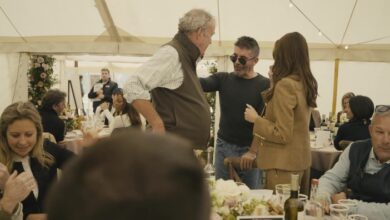
Jeremy Clarkson Admits Farming at Diddly Squat Has Been a “Disaster”
From Cars to Cows – Clarkson’s Farming Gamble
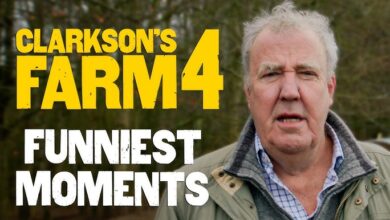
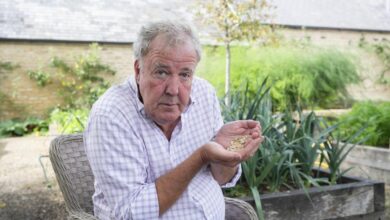
Jeremy Clarkson, once best known as the outspoken face of Top Gear and The Grand Tour, has in recent years carved out a new identity: farmer. In 2008, he purchased a 1,000-acre property in the Oxfordshire countryside. But it wasn’t until 2019, when his farm manager retired, that Clarkson decided to run the farm himself. What began as a bold experiment soon turned into a full-fledged television phenomenon, Clarkson’s Farm, which quickly became one of Amazon Prime’s biggest hits.

Yet, behind the cameras and the comedy, Clarkson admits farming has been anything but straightforward. Speaking candidly, he describes the last several years as a string of disasters.
“There Hasn’t Been One Normal Year”
Since taking over Diddly Squat Farm, Clarkson insists that every year has brought a fresh crisis.
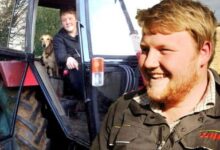
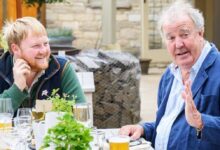
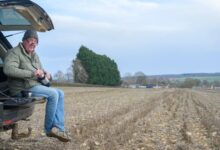
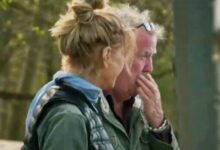
- Year One (2019–2020): The Covid-19 pandemic struck just as Clarkson was finding his feet. Like most businesses, his farming operations were disrupted, and he was left navigating supply shortages, restrictions, and constant uncertainty.
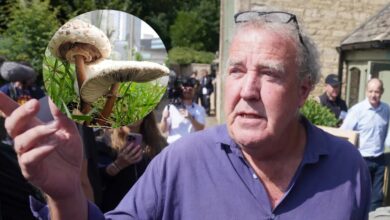
- Year Two: A battle with West Oxfordshire Council provided what Clarkson wryly calls a “good story beat.” The council famously blocked his plans to open a restaurant on the farm, igniting headlines and debates about red tape versus rural enterprise.
- Year Three: Clarkson was dealt a heartbreaking blow when all of his pigs died. For a farmer still learning the ropes, it was an emotional and financial disaster.
- Year Four: The weather turned against him. Endless rainfall left his land waterlogged, crops at risk, and schedules ruined. This year, he says, the opposite has happened: it simply hasn’t rained at all.
“There hasn’t been one normal year,” Clarkson told The Telegraph. “Sometimes you think, OK, this is an unbelievable disaster, but on the other hand it will amuse the viewers. But it’s not like The Grand Tour, where you’d set things up.”
A TB Outbreak Hits Diddly Squat Farm
As if poor weather and council battles weren’t enough, Clarkson recently revealed another devastating challenge: an outbreak of bovine tuberculosis (TB) on his farm.

Speaking on Times Radio, he explained that a vet had confirmed the disease, calling it “bad news from Diddly Squat.” He later shared the news with fans on social media, writing:
“Bad news from Diddly Squat. We’ve gone down with TB. Everyone here is absolutely devastated.”
The discovery meant at least one animal – a cow that was pregnant with twins – had to be culled to stop the disease from spreading. For Clarkson and his team, who had already faced years of setbacks, it was yet another painful reminder of how unforgiving farming can be.
Farming for TV vs Farming in Reality
Clarkson’s Farm has been praised for its authentic portrayal of the highs and lows of rural life. Unlike Top Gear or The Grand Tour, where chaos was often staged for laughs, the disasters at Diddly Squat are real and costly.
Clarkson admits that while some moments may entertain viewers, they come at his own expense. “Sometimes you think, OK, this is an unbelievable disaster, but it will amuse the viewers,” he said. Still, the difference is stark: farming is not scripted, and mistakes or misfortunes mean real financial losses.
Saying Goodbye to Hammond and May
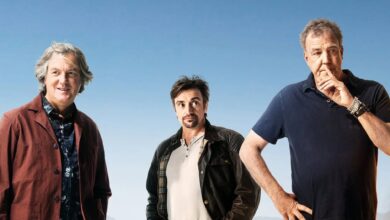
While Clarkson battles challenges in the fields, he is also closing chapters elsewhere in his career. It was recently announced that he has officially parted ways with his long-time co-stars Richard Hammond and James May.
The trio shot to fame together in 2002 when they began presenting Top Gear. Their on-screen chemistry carried them through more than a decade at the BBC, before launching The Grand Tour on Amazon Prime in 2016.

Now, however, their joint production company, W Chump and Sons, has been voluntarily wound up. Documents at Companies House show the company closed with more than £24 million in its accounts, which would equate to around £6 million each for Clarkson, Hammond, May, and producer Andy Wilman.
For fans, it marks the end of an era. For Clarkson, it represents a new phase – one less tied to the car shows that made him famous, and more focused on his solo projects.
From “Grand Tour” to “Grand Challenges”
Despite these changes, Clarkson is not stepping back from television altogether. He continues to front Who Wants to Be a Millionaire? on ITV, and a special celebrity edition sees him return to screens with contestants such as Steph McGovern and former footballer Dion Dublin trying their luck at the million-pound jackpot.
But it is Clarkson’s Farm that now defines him most. The series has given city-dwellers and international fans a gritty, humorous, and surprisingly educational insight into British farming. Viewers watch not just Clarkson, but also his team of experts – including fan favorites Kaleb Cooper, Lisa Hogan, and Charlie Ireland – as they wrestle with everything from crop failures to local council regulations.
Lessons From the Land
For all the disasters Clarkson lists, there is a sense of resilience in how he tells his story. Farming is unpredictable, and he is far from the only one struggling. Across Britain, farmers face disease outbreaks, red tape, fluctuating markets, and the growing effects of climate change. Clarkson, with his platform, has simply put a spotlight on these struggles.
His blunt humor and willingness to share even the most embarrassing failures have made the show both relatable and eye-opening. As he himself says, every season of Clarkson’s Farm might be a disaster, but at least it makes for compelling television.
Conclusion: The Farmer Who Won’t Quit
Jeremy Clarkson’s journey from car journalist to reluctant farmer has been far from smooth. Each year at Diddly Squat Farm brings a new disaster, whether it’s Covid, council restrictions, animal disease, or unrelenting weather. Yet, in his own way, Clarkson has turned adversity into entertainment, using his failures to both amuse and inform.
With The Grand Tour chapter closed and millions still tuning in to watch his farming misadventures, Clarkson’s legacy continues to evolve. Whether he sees farming as a long-term career or simply as a chaotic detour, one thing is certain: there truly hasn’t been one normal year at Diddly Squat Farm.