Rising Costs Cast a Shadow Over Series 6
As filming continues on Series 6 of Clarkson’s Farm, the familiar humour and mishaps remain firmly in place. But beneath the jokes and chaos, a more serious theme is beginning to dominate: money. What started as an entertaining foray into rural life has increasingly become a candid exploration of how farming and hospitality survive under sustained economic pressure.
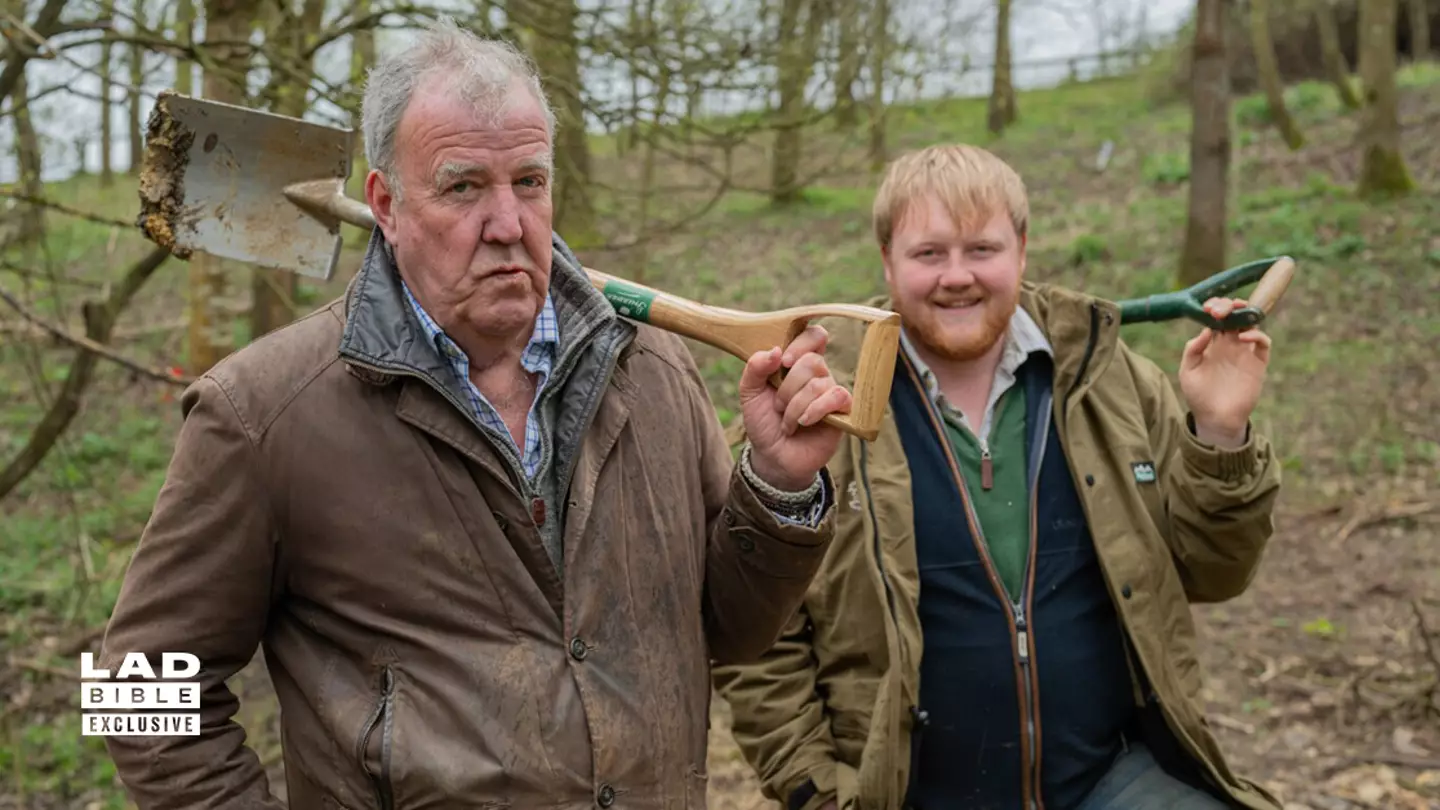
At the heart of it all is Jeremy Clarkson, who has grown more open about the financial strain facing Diddly Squat Farm. Previous series have shown how weather, regulation and razor-thin margins shape daily decisions. Series 6 looks set to push that reality further, with rising costs emerging as one of the most persistent challenges yet.
The Farm Shop Paradox: Popular but Profitable?
One focal point is the Diddly Squat farm shop. Hugely popular with visitors, it has become both a success story and a symbol of contradiction. Long queues and strong demand bring visibility and footfall, but they also bring higher staffing costs, supply pressures, and ongoing disputes around access and operations.


Behind the shelves of local produce, Clarkson has repeatedly acknowledged a hard truth: popularity does not automatically translate into profit. Series 6 is expected to examine that tension in greater detail, showing how even a thriving rural attraction can struggle to make the numbers work.
Energy, Wages and the Cost of Staying Open
Rising energy bills, higher wages, and increased operating expenses are likely to feature heavily in the new series. Clarkson has previously admitted that without constant adjustments, the business risks slipping from breaking even into sustained losses.
Series 6 appears set to reflect a reality shared by many independent farms and rural retailers across the UK, where even small increases in costs can have disproportionate effects on viability.
Farming at Scale Still Fails to Guarantee Profit
Beyond retail, the financial challenge of farming itself remains unresolved. Despite managing hundreds of acres, Clarkson has been clear that agriculture alone does not reliably generate profit. Series 6 is likely to show how this forces difficult choices, from crop planning and investment decisions to questioning whether certain parts of the operation remain viable at all.
The programme continues to underline a central contradiction of modern farming: scale does not necessarily equal security.
Changing Team Dynamics Under Pressure
Staffing is another area where change may be unavoidable. Familiar figures such as Kaleb Cooper and Lisa Hogan have been central to the farm’s success, but Series 6 is expected to reflect how priorities evolve. External opportunities, personal ambitions and fatigue all play a role in reshaping the team.
Rather than presenting this as a sudden rupture, the series appears to explore how gradual shifts affect morale and decision-making. When resources are tight, the absence—or reduced presence—of a key individual can have far-reaching consequences.
Hospitality Faces the Same Squeeze
Clarkson’s ventures beyond farming have already highlighted the pressures facing rural hospitality. Series 6 is expected to draw clearer links between farming and pub ownership, showing how both sectors are exposed to the same economic forces: rising costs, staffing challenges and regulatory complexity, even when demand remains strong.

No Easy Answers for Diddly Squat
What continues to distinguish Clarkson’s Farm from more conventional business documentaries is its refusal to offer simple solutions. Series 6 does not promise neat resolutions. Instead, it sits with uncertainty, focusing on responsibility rather than spectacle.
Scaling back, changing direction, or rethinking long-held assumptions are all presented as serious considerations rather than dramatic twists.
A More Grounded Chapter Ahead
For viewers, this approach may make Series 6 one of the most grounded chapters yet. The humour remains, but it is increasingly framed by questions of sustainability—financial, personal and practical.
As Clarkson’s Farm enters its sixth series, the message is increasingly clear: the future of Diddly Squat will depend not on popularity alone, but on whether its numbers can finally add up.