Clarkson’s Farm star Harriet Cowan and podcasters Rebecca Wilson and Charlotte Ashley – LIVE Q&A

Farmers Guardian Q&A: Three Women, Three Journeys into Modern Farming
At a recent Farmers Guardian Q&A, three prominent female farmers—Rebecca Wilson, Charlotte Ashley, and Harriet Cowan—shared candid insights into their journeys, challenges, and hopes for the future of British farming. Though their paths into agriculture differed, common themes of resilience, adaptability, and community ran through the discussion.
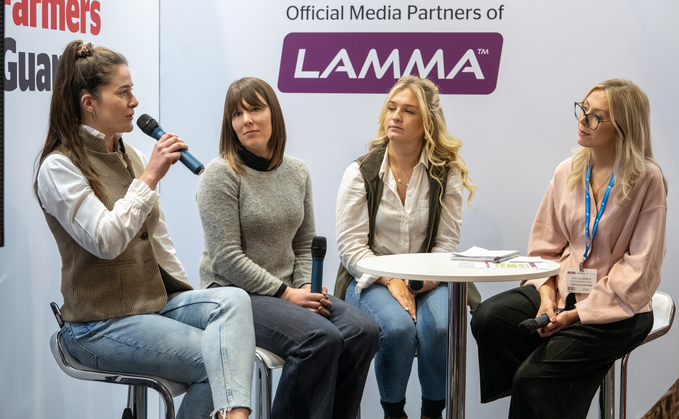
Introducing the Panel
- Rebecca Wilson is a sheep and arable farmer based in North Yorkshire, representing a fifth-generation family farm.
- Charlotte Ashley farms dairy cattle alongside sheep in Cumbria, having entered agriculture after marrying into farming.
- Harriet Cowan, a beef and sheep farmer from Derbyshire, transitioned into full-time farming after initially training as a nurse and later appearing on Clarkson’s Farm.
Different Routes Back to the Farm
Each panellist described a unique route into farming:
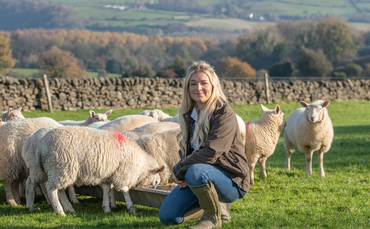
Harriet grew up on her grandparents’ smallholding but initially believed farming could not offer a viable career. She pursued nursing before unexpectedly entering agriculture through television, ultimately discovering that farming was her true passion.

Charlotte came from a non-farming background and worked as a carer before marrying into farming. She spoke about how caring roles translated naturally into livestock management and responsibility on the farm.
Rebecca, despite farming being “in the blood,” was actively encouraged to leave the family farm, earn a degree, and gain experience elsewhere. She later returned with broader perspective, having learned what it meant to work outside the family structure.
Lessons from Life Outside Agriculture
The panel agreed that working beyond farming helped build confidence, communication skills, and resilience. Harriet noted that nursing prepared her for public engagement and leadership more than for technical farming itself. Charlotte highlighted similarities between caring for people and caring for livestock. Rebecca stressed that leaving the farm helped her value it more deeply upon return.
Farming Inspirations: Keeping It Personal
Rather than naming public figures, both Rebecca and Charlotte credited their grandfathers as their greatest inspirations—men who built farms from scratch and worked with long-term vision.
Harriet referenced historical figures such as Hannah Hauxwell, noting the importance of remembering traditional farming characters whose stories might otherwise fade.
Regrets, Reality, and Saying No
When asked what they might do differently, the panel was honest:
- Rebecca wished she had spent time abroad and learned earlier how to say no to opportunities that stretch personal and farm capacity.
- Charlotte reflected that mistakes earlier in life shaped who she is today and should not be regretted.
- Harriet felt she should have trusted her instincts sooner rather than following expectations placed on her as a woman entering agriculture.
A shared message emerged: learning to say no is essential, especially when balancing public roles with on-farm responsibilities.
Life in the Public Eye
Harriet spoke openly about discomfort with being on camera, but acknowledged the impact visibility can have. She shared that many parents have told her their daughters now see farming as a realistic option because of her presence on television.
The panel agreed that representation matters—not as perfection, but as authenticity.
Looking Ahead: Positives Despite the Pressure
While acknowledging the serious financial pressures facing farming, the discussion focused on realistic optimism:
- Innovation does not always require major investment; small changes in efficiency, hygiene, and animal health can have meaningful impact.
- Learning from vets, attending talks, and adopting best practice can improve outcomes without large costs.
- Technology and trials must be approached carefully, as not all solutions deliver real value.
Public Perception and the Role of Social Media
The panel agreed that public engagement is changing. Social media allows farmers to speak directly, showing real challenges rather than polished images.
They stressed that consumers respond more to human stories and food security concerns than abstract policy debates. Education—whether online or through everyday conversations—was seen as the most effective long-term approach.

Bringing New People into Farming
In response to a question about entering farming without a background, the panel offered practical advice:
- Start small, such as with poultry, to build responsibility and experience.
- Join Young Farmers, regardless of background, to build networks and confidence.
- Be willing to start at the bottom—feeding calves, weekend relief work, or livestock roles.
- Reliability, attitude, and willingness to learn matter more than experience.
The consensus was clear: once someone’s foot is in the door, opportunities grow through trust and word of mouth.
Final Thoughts
The session closed with a shared belief that farming’s future depends on openness, collaboration, and realism. Whether through social media, local conversations, or mentorship, everyone in agriculture has a role in bringing the public—and the next generation—along with them.