UK Government Raises Inheritance Tax Threshold for Farmers After Protests
Threshold Increased Following Months of Pressure
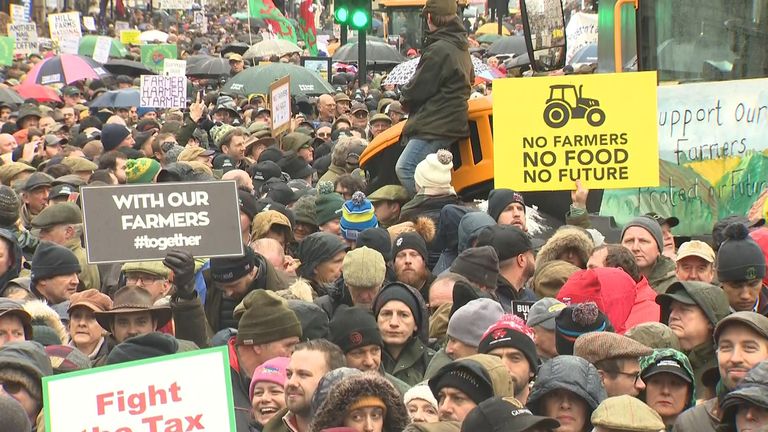
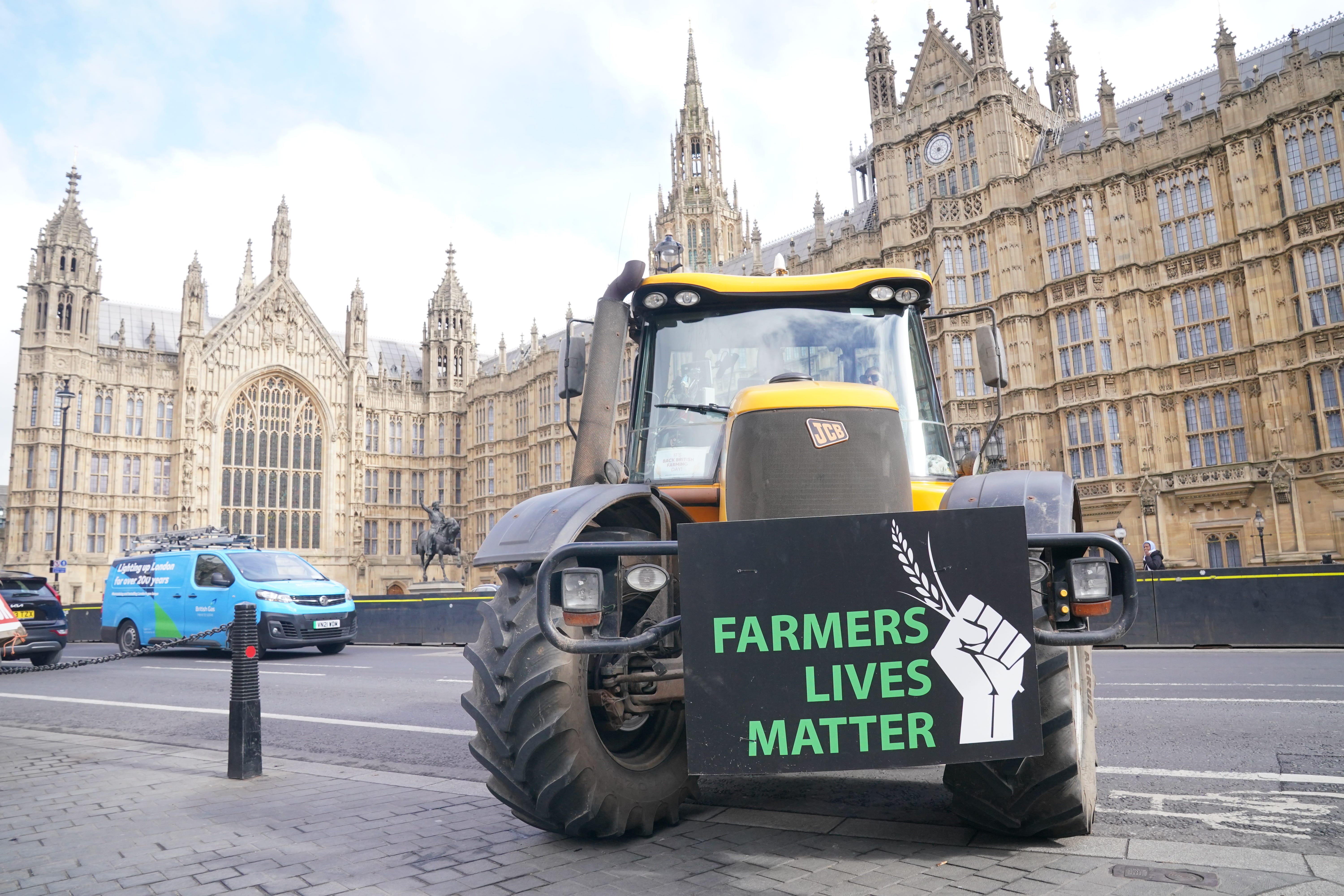
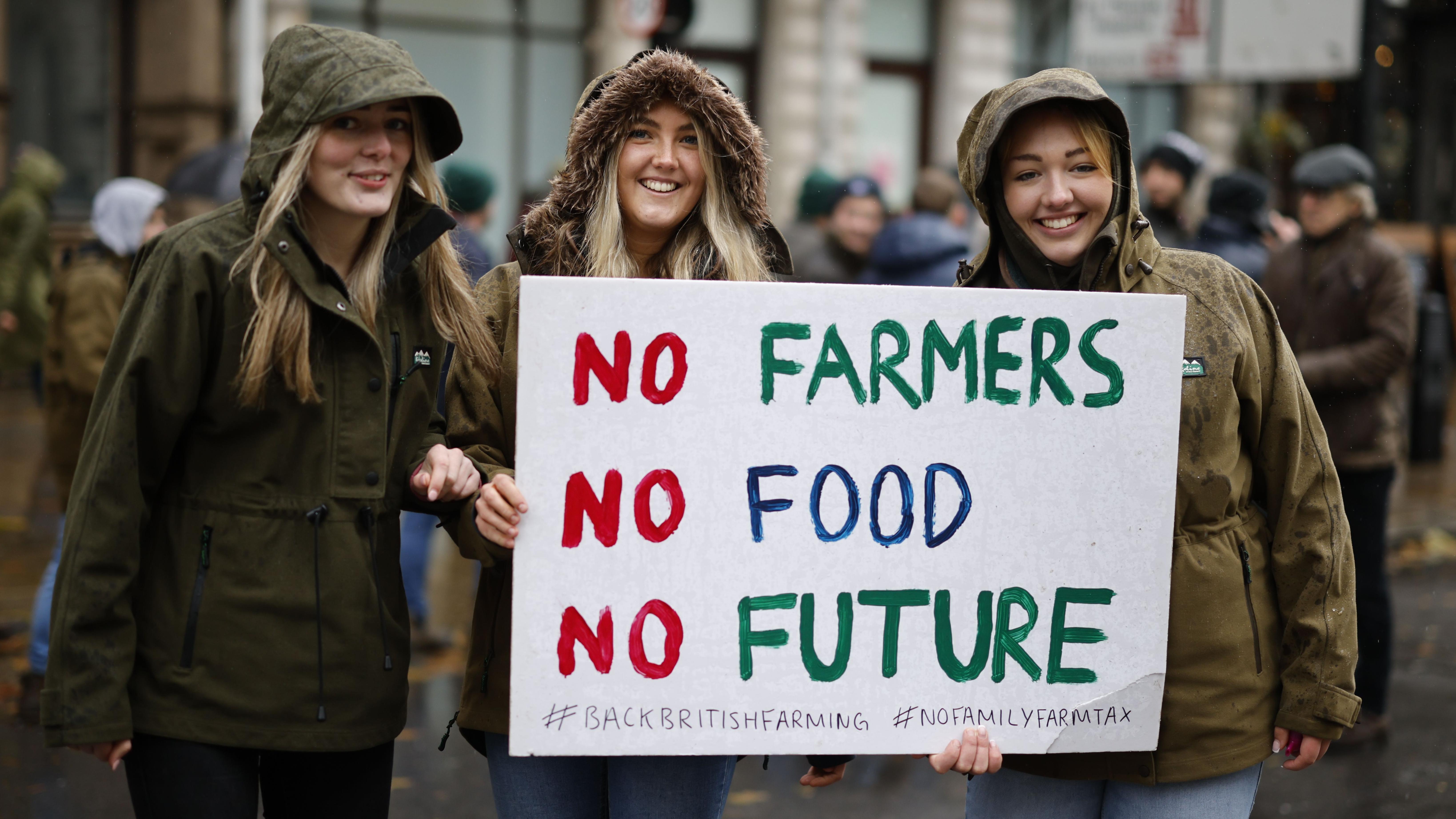
The UK Government has announced a significant increase in the inheritance tax relief threshold for farmers, raising it from £1 million to £2.5 million after months of sustained protests across Scotland and the rest of the UK.
The decision represents a partial reversal of reforms first unveiled in Labour’s inaugural Budget last year. Ministers said the move followed extensive engagement with farmers and rural businesses, acknowledging widespread concern about the impact of the original proposals.
The change was confirmed by the Department for Environment, Food and Rural Affairs (Defra), which said the government had “listened carefully” to the farming community.
What the New Rules Mean for Farm Families
Under the revised policy, which will take effect from April, individuals will be able to pass on up to £2.5 million in qualifying agricultural or business assets free of inheritance tax. For married couples or civil partners, this effectively allows estates worth up to £5 million to be transferred without incurring inheritance tax, in addition to existing personal allowances.




The threshold applies to assets covered by Agricultural Property Relief (APR) and Business Property Relief (BPR), which are commonly used by family-run farms to ensure continuity across generations.
Defra said the adjustment would protect a greater number of “ordinary family farms” while ensuring that larger estates contribute a greater share.
Government Response to Farmer Concerns
Environment Secretary Emma Reynolds said the change reflected the government’s recognition of the role farmers play in national food security and environmental management.
“Farmers are at the heart of our food security and environmental stewardship, and I am determined to work with them to secure a profitable future for British farming,” she said.
“We have listened closely to farmers across the country and we are making changes today to protect more ordinary family farms.
“We are increasing the individual threshold from £1 million to £2.5 million, which means couples with estates of up to £5 million will now pay no inheritance tax on their estates.”
She added that the government believed it was “only right” that larger estates should contribute more, while supporting farms and rural businesses that form the backbone of local communities.
Warnings From the Farming Sector
The review that informed the changes was led by Minette Batters, who previously headed the National Farmers’ Union. She warned that the original proposals had caused severe distress within the farming community, particularly among older farmers facing uncertainty over succession planning.
Her comments underscored the intensity of opposition to the original reforms, which had prompted protests nationwide and significant political pressure on ministers.
NFU Welcomes the Change
The National Farmers’ Union responded positively to the announcement. NFU President Tom Bradshaw described the revised threshold as a “huge relief” that would substantially reduce the inheritance tax burden for many family farms.
He said the original changes to APR and BPR had overturned long-standing financial planning advice that encouraged farmers to retain ownership of their land and pass it on intact to the next generation.
“Until that moment, the best advice was to hold on to your farm and pass it on so the next generation could continue running a viable food-producing business,” he said.
Bradshaw added that the initial reforms had placed elderly farmers and their families under extreme pressure, and welcomed the government’s decision to reconsider.
“I am thankful common sense has prevailed and government has listened,” he said.
Opposition Reaction Remains Critical
Despite the increase in the threshold, opposition parties argued the changes did not go far enough. The Liberal Democrats called on the government to scrap the inheritance tax reforms entirely, describing them as unfair and damaging.
The party said many family farms would still face serious financial strain and warned that profitability remained a challenge across the sector, even with the higher threshold in place.
A Partial Climbdown, Not a Full Reversal
While farming groups have broadly welcomed the higher threshold, campaigners noted that the policy still represents a shift from previous inheritance tax arrangements. The announcement marks a clear concession by the government, but not a complete retreat from its original reform agenda.
For now, the revised threshold appears to have eased some of the immediate pressure on family farms, while leaving wider debates about taxation, land ownership, and rural sustainability firmly on the political agenda.