The Curse Of Oak Island Season 12: The Dangers of Excavation: Exploring Smith’s Cove Cave

The Dangers and Discoveries at Smith’s Cove: The Quest for Oak Island’s Hidden Secrets
The allure of Oak Island’s treasure hunt has captivated adventurers for centuries, but the pursuit comes with substantial risks. Season 12 of The Curse of Oak Island highlights the dangers and discoveries encountered at Smith’s Cove, an area deeply tied to the island’s legendary flood tunnel system. This video delves into the challenges of excavation, the cutting-edge technology used, and the relentless quest to solve the Oak Island mystery.
Cutting-Edge Technology: Borehole Radar and Its Role in the Hunt
Modern treasure hunting relies heavily on advanced tools, and the 100 MHz Helix borehole radar is at the forefront. This device sends electromagnetic pulses deep into the earth to detect anomalies like voids, tunnels, or metal deposits—key clues for treasure seekers.
At Smith’s Cove, the radar was used to map potential voids or chambers linked to the Money Pit. While the technology offered valuable glimpses, interpreting the data proved challenging, akin to “peering at a painting through a straw.” Despite these limitations, borehole radar remains a critical asset in uncovering Oak Island’s hidden features.
Unearthing Clues: The Discoveries at Smith’s Cove
Excavation efforts at Smith’s Cove revealed a mix of natural and man-made elements, including:
- Wooden Beams: Hand-cut beams discovered at the site suggest human activity from an earlier era, possibly tied to the original flood tunnel system.
- Concrete Fragments: Scientific analysis identified the concrete as likely dating to the 1960s, linked to the Restall family’s attempts to seal the flood tunnels.
- Rock Formations and Wooden Structures: These features hint at an engineered flood tunnel system designed to thwart access to the Money Pit.
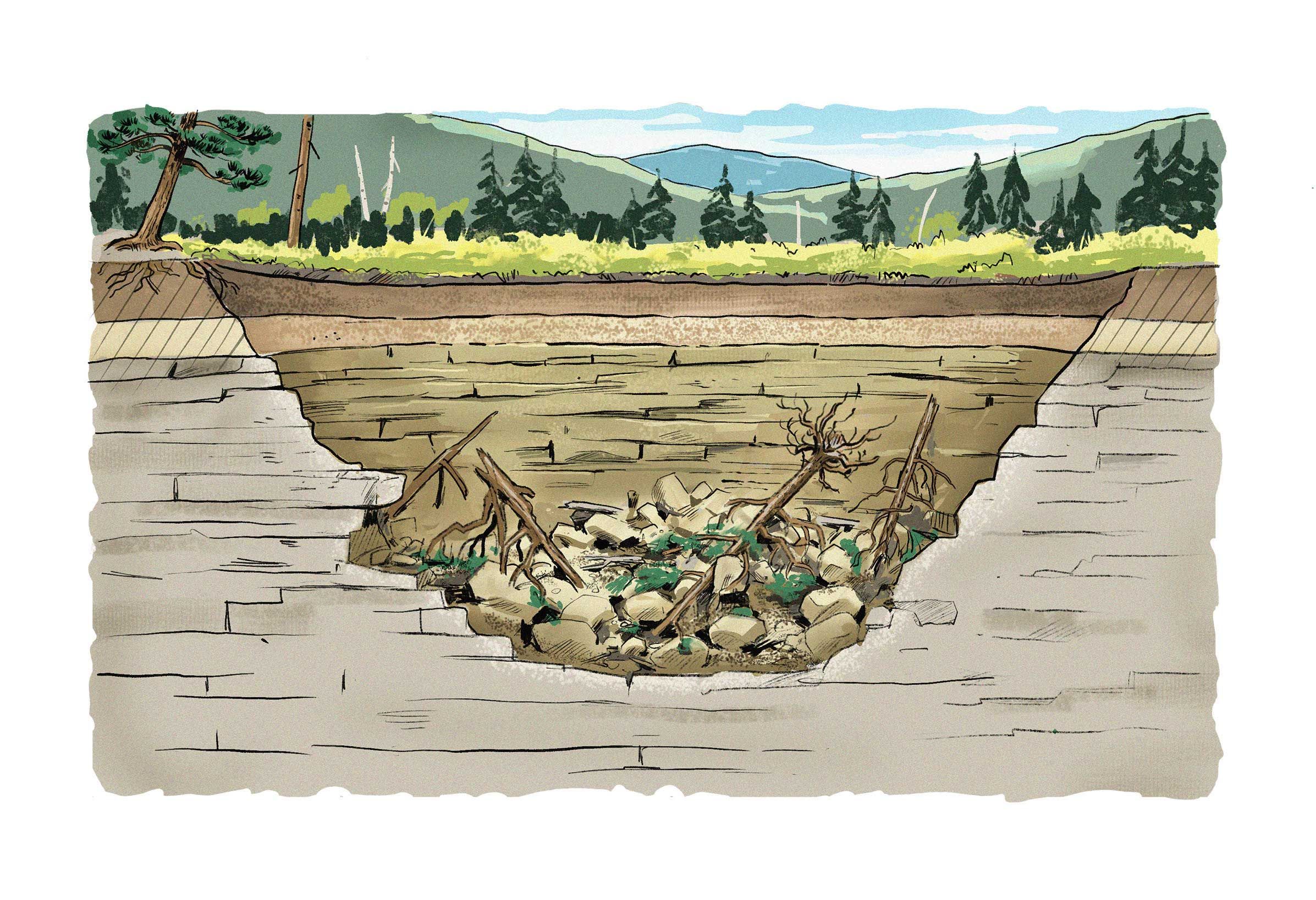




One particularly compelling find was a massive hand-cut wooden beam. If it predates the Restall era, it may be part of the original construction. Such discoveries encourage further exploration but also raise questions about their origin and purpose.
The Risks of Excavation: Danger Beneath the Surface
The excavation of Smith’s Cove is fraught with hazards:
- Unstable Ground: Loose soil and water intrusion create a high risk of cave-ins, as demonstrated by a recent trench collapse.
- Environmental Challenges: The site’s proximity to seawater exacerbates flooding and weakens soil stability.
- Structural Complications: Buried materials, such as the Restall concrete, pose challenges in distinguishing between original features and modern interventions.
These dangers underscore the need for meticulous planning, constant vigilance, and advanced engineering to ensure the safety of the team while preserving the site.
Historical Context: The Role of Smith’s Cove in Oak Island’s Mystery
Smith’s Cove holds a pivotal place in the Oak Island legend. Historical accounts suggest it was a critical part of the flood tunnel system designed to protect the treasure. The discovery of artifacts and structural features, combined with modern imaging technology, strengthens theories about its connection to the Money Pit.
The team’s use of tools like ground-penetrating radar and borehole imaging has provided new insights into the site’s underground features, bringing them closer to areas that warrant further investigation.
Connections to Lot 5: Expanding the Narrative
While the team worked at Smith’s Cove, parallel efforts on Lot 5 uncovered additional artifacts and clues, including:
- 17th and 18th-Century Artifacts: French wine bottle fragments, buttons, and coins hint at early European settlers or treasure depositors.
- Stone Foundation: This structural feature suggests Lot 5 may have served as a staging area for constructing the Money Pit.
- Metal Strapping: Possibly from a chest, this piece raises speculation about treasure caches.
The overlapping timelines and geographic proximity of Smith’s Cove and Lot 5 add complexity to the Oak Island narrative, weaving a tapestry of interconnected clues.
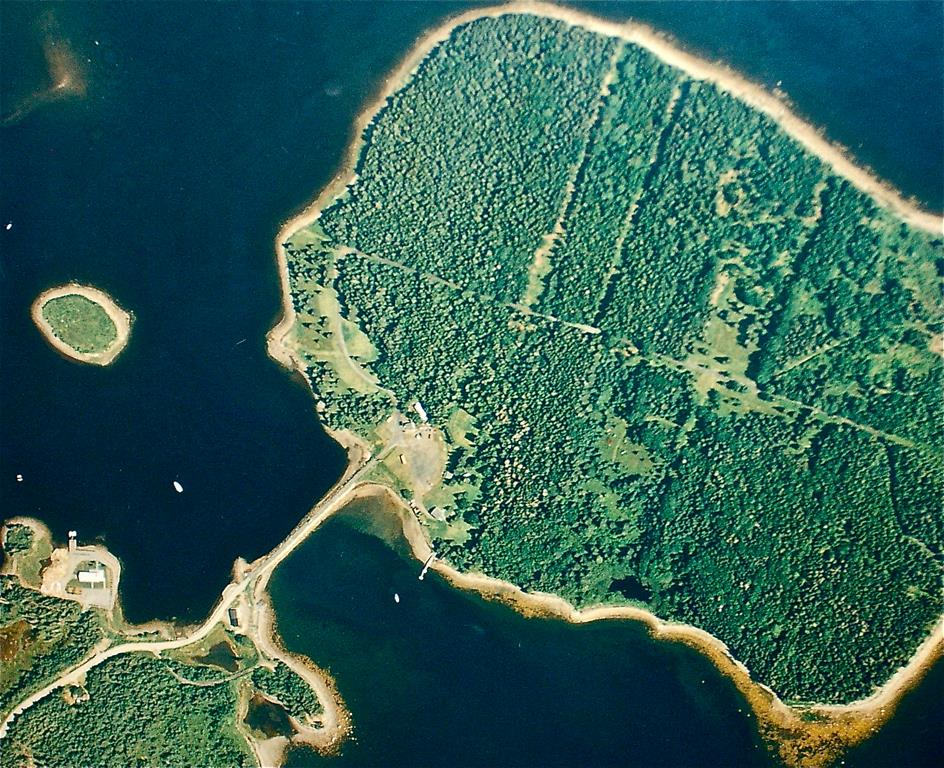
The Persistent Quest: Balancing Discovery and Danger
Despite technological advancements and numerous discoveries, the Oak Island treasure remains elusive. The flood tunnels, designed centuries ago, continue to thwart modern excavation efforts. Yet, the team remains undeterred. Each find, whether an artifact or structural remnant, fuels their determination to unravel the mystery.
The excavation of Smith’s Cove exemplifies the dual nature of treasure hunting—both perilous and rewarding. From trench collapses to analyzing historical artifacts, the journey requires technical expertise, historical knowledge, and calculated risk-taking.
Conclusion: The Enduring Allure of Oak Island
Smith’s Cove serves as a microcosm of the challenges and rewards of treasure hunting on Oak Island. The combination of advanced technology, historical research, and sheer perseverance keeps the quest alive.
While the ultimate prize—be it treasure, historical documents, or something even more extraordinary—remains hidden, each discovery sheds light on Oak Island’s enigmatic past. Whether the mystery is solved or continues to endure, the team’s efforts represent humanity’s timeless fascination with the unknown.
Smith’s Cove, with its layers of history and danger, reminds us that treasure hunting is as much about the journey as the destination.