Oak Island Season Finale Recap S12 : 17th-Century Artifacts Found, Treasure Still Waiting

The Curse of Oak Island Season Finale: Rick Lagina’s “One Thing” Brings Tears, Tools, and Hope for Next Year
The Final Dig: “The One Thing” Shaft
After a season filled with historic discoveries and emotional breakthroughs, The Curse of Oak Island reached its dramatic conclusion as Rick and Marty Lagina and their team turned their focus to one final effort — the TOT-1 shaft, known as “The One Thing.”
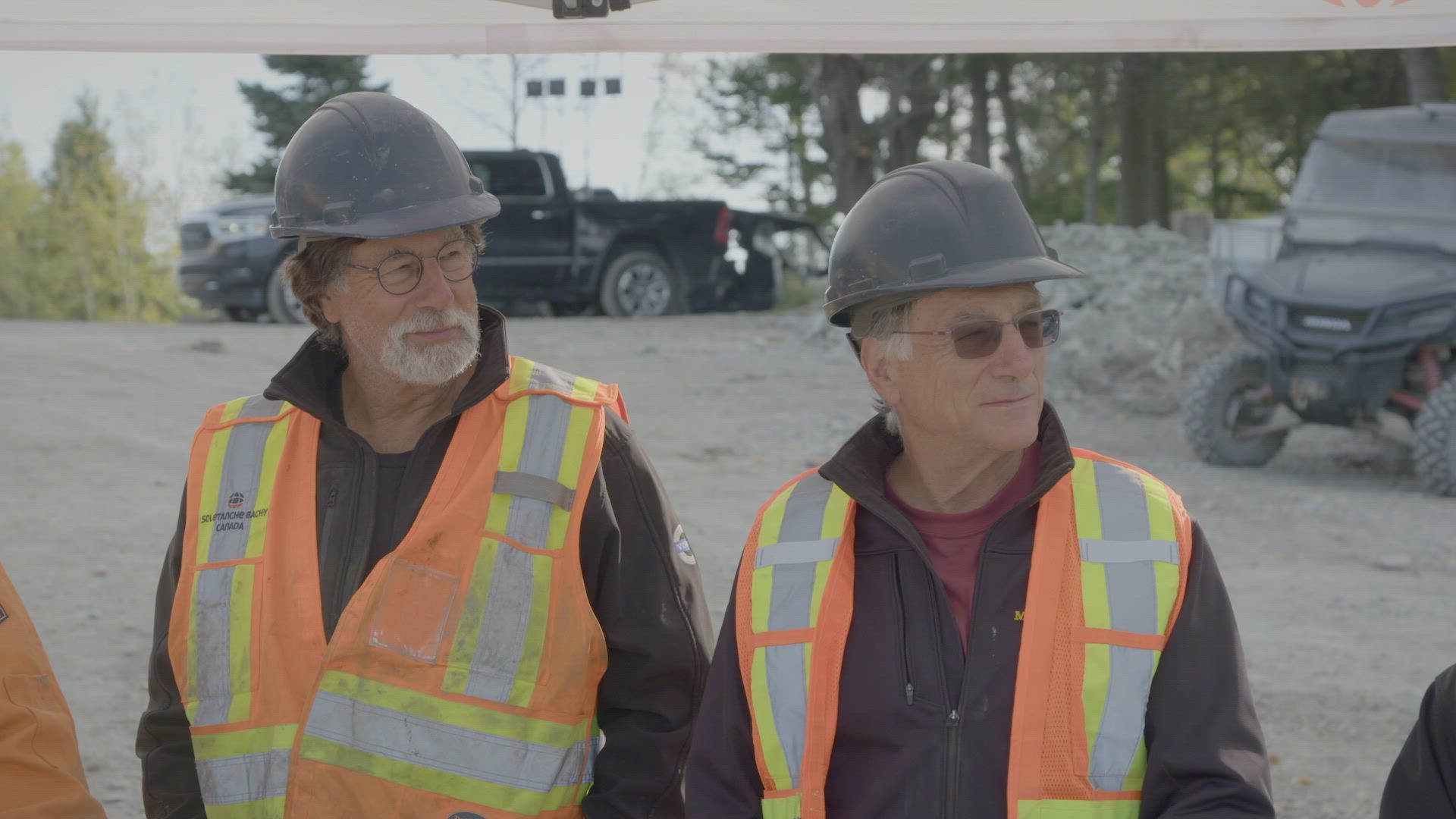
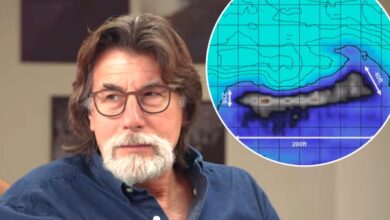
The seven-foot-wide steel caisson descended nearly 200 feet into the legendary Money Pit area, penetrating what geologists call a solution channel — a massive natural cavity in the bedrock. Months earlier, tons of earth and debris had collapsed into this channel, and now the brothers believed it might hold the legendary treasure they’ve pursued for more than a decade.
“Today’s the day we find Rick’s one thing,” Marty declared, as the massive pumps roared to life. The air was tense, the weather closing in, and the season’s final hours ticking away.
Hope in the Mud: A Discovery at Smith’s Cove
Later that afternoon, Rick, Craig Tester, and metal-detecting expert Gary Drayton arrived at Smith’s Cove to sift through the spoils from TOT-1 — tons of wet earth now dried and ready for examination.


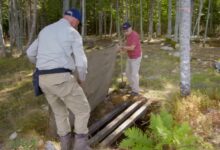
As Gary swept his detector over the muddy pile, a sharp signal cut through the static. “Got a good one here, mate,” he said, as Marty joined him with a shovel.
Moments later, Gary pulled a small but heavy piece of iron from the dirt. “It’s the end of a pick,” he said, grinning. The team quickly realized it might match an earlier artifact — a pickaxe fragment recovered a week before, dated by blacksmithing expert Carmen Legge to the 16th century.
Could both pieces have belonged to the same ancient tool, used by whoever dug the original Money Pit? The idea sent a thrill through the crew. Rick looked at the artifact and murmured, “If you were tunneling, you’d need something just like this.”
The War Room: Reflection and Revelation
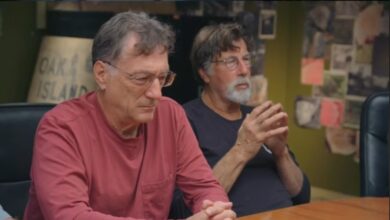
As winter weather loomed, the team gathered in the Oak Island Museum for one last meeting — a tradition at season’s end.
Walking into the room, Marty was struck by the sight of the entire fellowship assembled. “I’m humbled,” he said. “There’s an incredible amount of brainpower here — and heart.”
Rick, visibly emotional, called it one of the greatest honors of his life to share this quest with his brother, his nephews, and the entire team. Fighting back tears, he added, “As a little boy, I believed in Oak Island — in the mystery, in the story, and in the treasure. And I still believe it now.”
Marty smiled softly. “You can’t follow a Rick Lagina speech,” he said. “So I won’t even try.”
Proof Beneath the Pit
Emma Culligan from the research lab then presented the team’s latest findings. The artifacts recovered from the Money Pit — including the newly found pick and chisel — were tested and found to be early to mid-1700s, possibly even 1650s in origin.
“They’re clean iron, same composition, and made using a charcoal forge,” Emma explained, noting that this technique was phased out before the 18th century.
That revelation stunned the room. “That’s proof that people were down there long before the discovery,” Marty said. “This lends real credence to the old stories — to why we first came here.”
Looking Ahead: The “Honeycomb” Plan
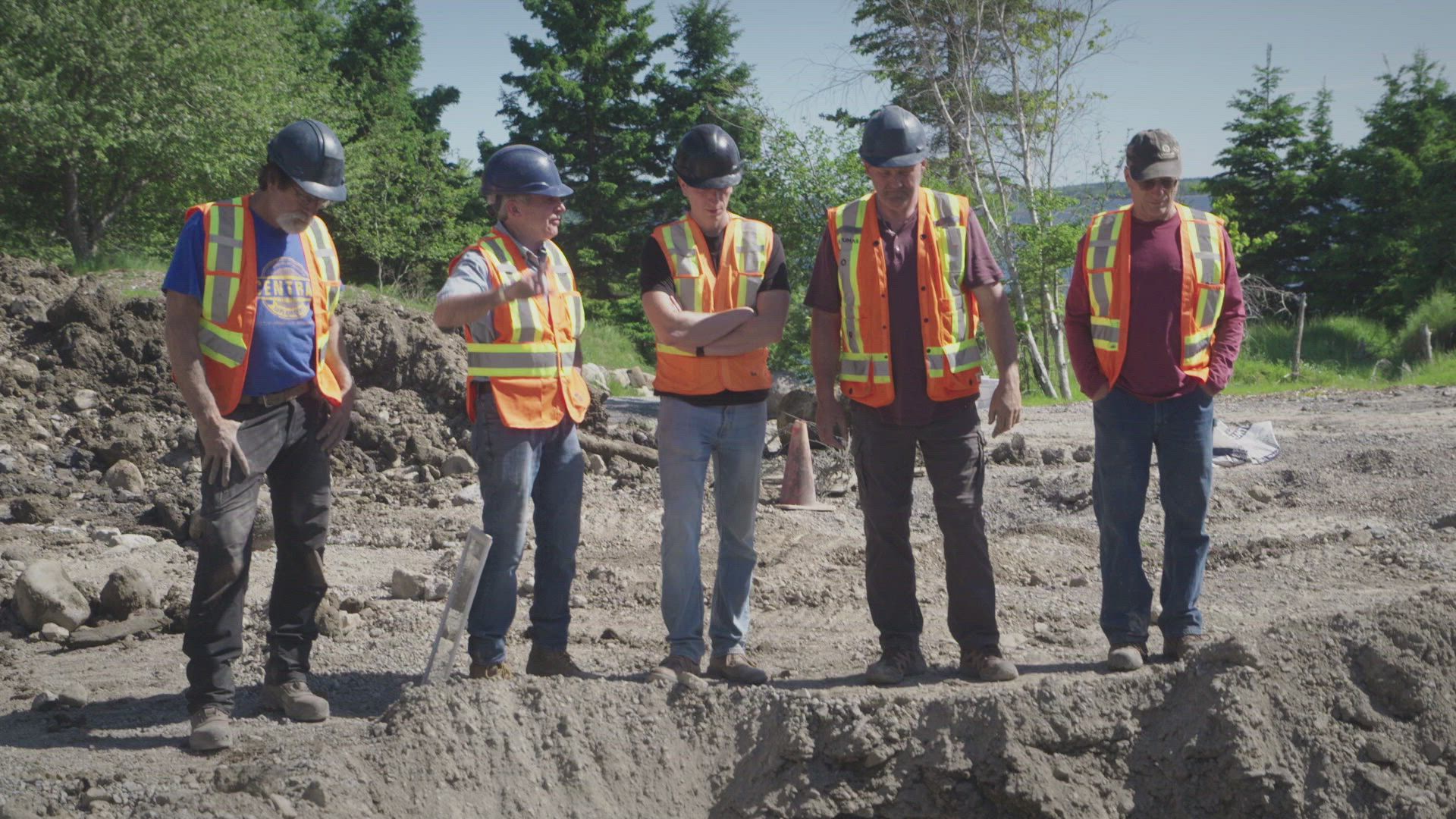
With six massive caissons sunk this year, the Laginas didn’t uncover physical treasure — but they did uncover knowledge that could guide their next steps.
Their theory now points toward a “honeycomb” excavation: a grid of eight-foot shafts drilled side-by-side, allowing them to explore the entire solution channel — possibly revealing where the treasure settled after centuries of collapse.
Alex Lagina summed it up: “I thought there was no way treasure could’ve escaped all our boreholes. But when the caisson collapsed into the channel, it made sense — maybe we’ve been missing what’s below that layer all along.”
The Season’s True Treasure
As the meeting wrapped, Rick raised a glass to the team’s perseverance. They hadn’t found gold — not yet — but they had uncovered proof of 17th-century human activity, compelling new data, and the renewed belief that they were closer than ever to unlocking Oak Island’s centuries-old mystery.
“Typical Oak Island,” Rick said, smiling. “The best finds always come right when time runs out.”
As the fellowship packed up their gear and prepared to leave for the winter, Rick’s final words lingered in the air — part hope, part promise: