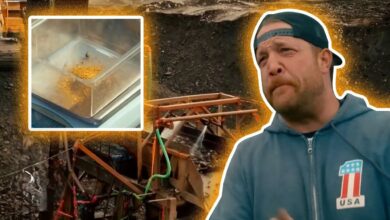
What Happens to the Gold After It’s Mined on Gold Rush?
The Discovery Channel’s Gold Rush captures the intense and dramatic pursuit of gold, following miners as they battle harsh conditions, equipment failures, and financial risks in search of fortune. However, one question remains for many viewers: What happens to the gold after it is mined?
While the show primarily focuses on the extraction process, the journey of gold does not end there. Once mined, the gold goes through several stages before it becomes spendable cash. Each miner has a different financial strategy, whether it’s reinvesting, holding, or selling immediately.
From Pay Dirt to Profit: The Gold Selling Process
After being successfully extracted, gold is cleaned, weighed, and stored before being sold. The selling process varies depending on the miner, but the main goal is to convert raw gold into profit as efficiently as possible. Mining is risky and labor-intensive, but when managed correctly, the financial rewards can be substantial.

Parker Schnabel: Selling for Expansion
Parker Schnabel, one of the most successful miners on Gold Rush, reinvests most of his earnings back into his mining operation. He typically sells his gold to refineries or private buyers, using the revenue to purchase new equipment, expand his operations, and secure promising land leases.




Over several seasons, Parker has made deals with refineries to ensure a smooth and profitable sale, often reinvesting millions to scale his business. His international ventures, including a trip to Papua New Guinea, show how he is leveraging his gold earnings to explore new opportunities.
Beyond traditional sales, Parker is looking for ways to maximize the value of his gold. Instead of selling in bulk, he has explored turning his gold into high-end jewelry and artisanal pieces. Working with his longtime friend Bruce Schindler, a skilled jeweler, Parker has even provided gold for custom creations, such as a gold ashtray for Chris Doumitt.
By diversifying his sales strategy, Parker aims to increase profit margins while expanding his business beyond traditional mining.
Tony Beets: Holding and Expanding
Legendary miner Tony Beets takes a different approach than Parker. Instead of selling his gold immediately, Tony is known to stockpile significant amounts, waiting for better market prices before cashing in.
His investment strategy revolves around dredging and reviving old mining claims to maximize production. Although restoring and operating a dredge requires high upfront costs, Tony believes that it is a more cost-efficient way to mine over time.
By accumulating wealth and reinvesting in large-scale infrastructure, Tony ensures that his mining business remains sustainable, even during seasons with lower gold yields.

Rick Ness: Balancing Sales and Debt Payments
Rick Ness has faced financial struggles in multiple seasons. Unlike Parker, who aggressively expands, or Tony, who holds onto his gold, Rick often sells quickly to cover operational costs, debts, and crew wages.
His mining career has been marked by financial highs and lows—some seasons have brought major paydays, allowing him to continue mining, while others have left him struggling due to breakdowns, bad weather, or inefficient operations.
For Rick, selling gold immediately is often necessary to ensure he can mine the following season.
Where Does the Gold Go After It’s Sold?
Once sold, the gold enters the global market and is used in various ways:
- Refineries melt it down into gold bars or jewelry.
- Private investors buy it as a hedge against inflation.
- Luxury goods companies use it in high-end watches, accessories, and artwork.
- Electronics manufacturers use it in circuit boards, medical devices, and aerospace technology.
- Central banks may purchase gold to add to national reserves.
Gold is more than just a precious metal—it plays an essential role in many industries. The gold mined by Gold Rush stars may eventually be found in smartphones, medical equipment, or even satellites.
Challenges in Selling Gold
Selling gold may seem straightforward, but miners face several challenges:
- Fluctuating gold prices: Timing the sale is crucial, as prices can impact profits significantly.
- Refining fees & taxes: Miners must navigate additional costs when converting gold into cash.
- Transportation & security risks: Moving large amounts of gold requires careful planning.
- Finding trustworthy buyers: Independent miners sometimes struggle to find fair deals and avoid scams.
For miners like Tony Beets, holding gold is a gamble—if prices drop instead of rising, they could face financial losses.
The Future of Gold Rush Miners: A Golden Opportunity?
With gold prices reaching record highs, Gold Rush miners have a unique opportunity to maximize their profits. The increasing demand for gold, driven by economic uncertainty and inflation concerns, has pushed prices to unprecedented levels.
For Parker Schnabel and Tony Beets, this could be a game-changer. Whether they decide to sell, hold, or reinvest, the soaring prices could shape the future of their mining businesses.
Ultimately, the journey of gold doesn’t end when the cameras stop rolling. From luxury jewelry to essential electronics, gold mined on Gold Rush continues to influence the world in ways we may not always recognize.