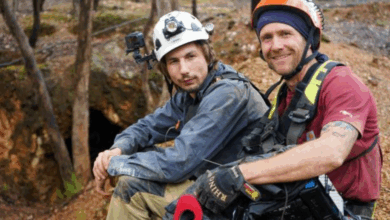
Parker Schnabel Faces Delays as Wash Plant Bob Breaks Down
Parker Schnabel’s operation was already under pressure when another mechanical problem brought fresh frustration. His new Sulphur Creek setup was supposed to help deliver a huge season total, but in its first full week of running, wash plant Bob suffered a breakdown when the pre-wash conveyor failed.
For Parker’s crew, the timing could hardly have been worse. The mine was spread out, equipment was far from the yard, and every delay carried a real cost. Parker had set an ambitious target, and his team knew there was little room for lost time.
The breakdown centered on a damaged drive shaft. Mechanics Bill and Justin quickly removed the failed part, only to discover that the replacement shaft did not match. It was too long, and the keyway grooves did not line up with the conveyor components. Going back to the yard without a solution was not an option, so they improvised. By flipping the shaft, cutting it down to size, and grinding a new keyway, they managed to create a workable fix.
The repair was risky, but it worked. Bob roared back to life, and for Parker’s crew, simply getting the plant moving again felt like a small victory in a season already proving difficult.




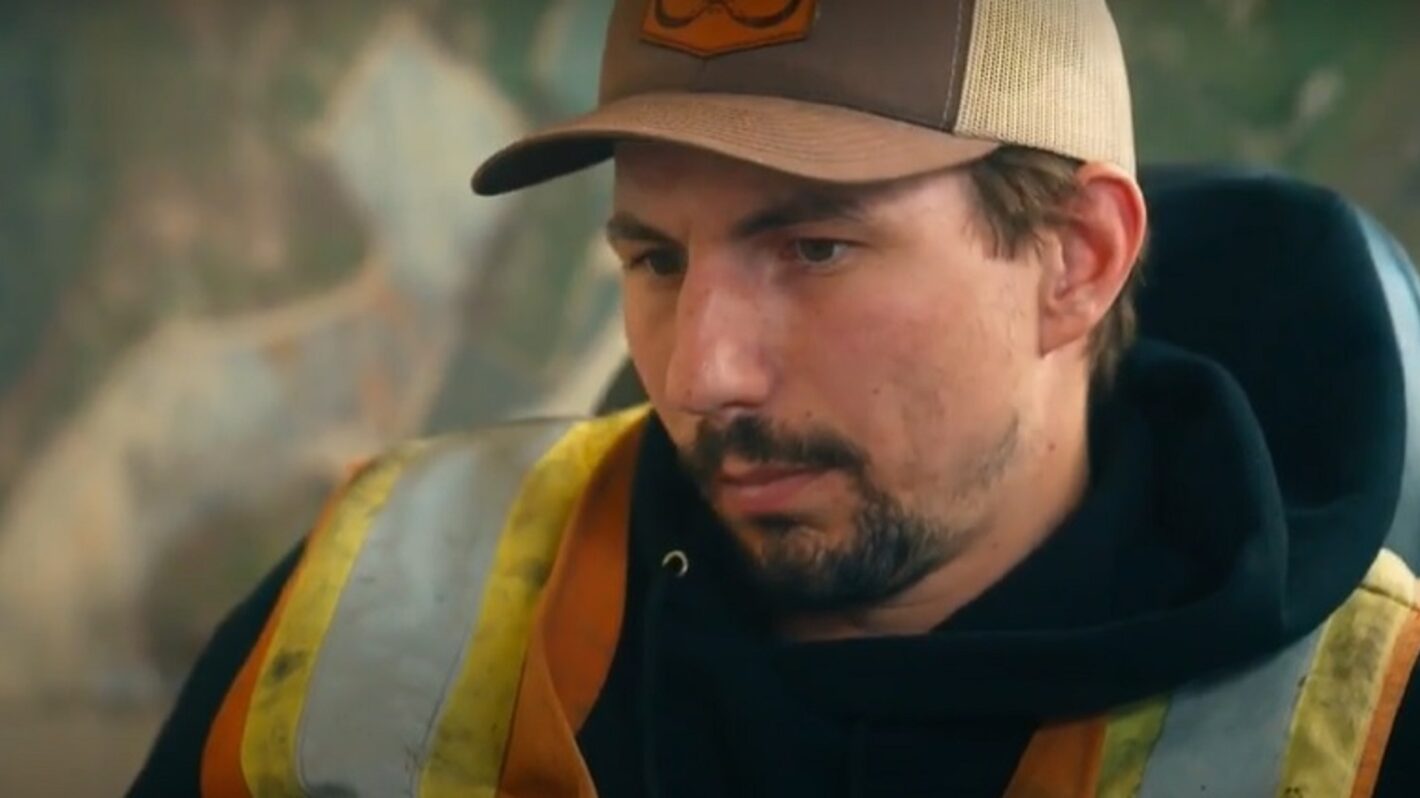
A Strong Weekly Weigh-In Keeps Parker in the Fight
By the end of the week, Parker’s three plants finally produced numbers worth noticing.
Big Red, which had been running top gravels in the bridge cut, improved on its previous result and brought in 98.5 ounces, worth roughly $250,000. Roxan, working steadily in the long cut, added 168.2 ounces, worth more than $420,000.
The most important result, however, came from Bob at Sulphur Creek. Despite the mechanical setbacks, the plant delivered 299 ounces, worth nearly $750,000. It fell just one ounce short of Parker’s 300-ounce goal, but it still confirmed that Sulphur Creek could produce real gold.
Together, the three plants brought in 565.7 ounces for the week, a solid total that gave the operation much-needed momentum. Even so, Parker understood the larger challenge remained unchanged. To hit his huge seasonal target, he needed consistent production over many more months.
Big Red’s Early Gamble Fails to Deliver
Despite the encouraging weekly total, Parker’s season remained anything but smooth.
At Dominion Creek, he gambled on old gravel piles left behind from the Money Pit, believing there could still be valuable pay dirt hidden in them. He moved Big Red into place, spent time and money setting up the plant, and hoped the quick gold would help keep the season on track.
Instead, the cleanup was brutal.
After a 34-hour run, Big Red recovered only 5.6 ounces, worth about $14,000. By Parker’s own standards, it was a terrible start and one of the weakest cleanups the crew had seen.
The disappointment was more than emotional. All the effort spent setting up the plant could have been used elsewhere, and Parker knew they had very little room for mistakes. Starting the year so far behind only added to the pressure.
Smallwood Creek Drilling Brings More Questions Than Answers
While his crew worked in the Yukon, Parker also continued exploring potential new ground in Alaska at Smallwood Creek.
The hope was that deep drilling would confirm a rich pay streak worth pursuing. But the results kept coming back spotty. Gold was there, but not in the kind of consistent, concentrated pattern needed to justify the enormous mining cost.
Some holes showed traces of promising gold, but the problem was continuity. The better holes did not line up into a reliable channel. Worse still, the pay sat around 100 feet deep, meaning extraction would be extremely expensive.
After spending nearly $200,000 on drilling, Parker and his contractor Liam Ferguson concluded that the ground was simply too risky. There were flashes of value, but not enough to justify a $3 million commitment.
For Parker, it was another reminder that finding gold is not enough. It has to be found in the right place, in the right quantity, and at the right depth.
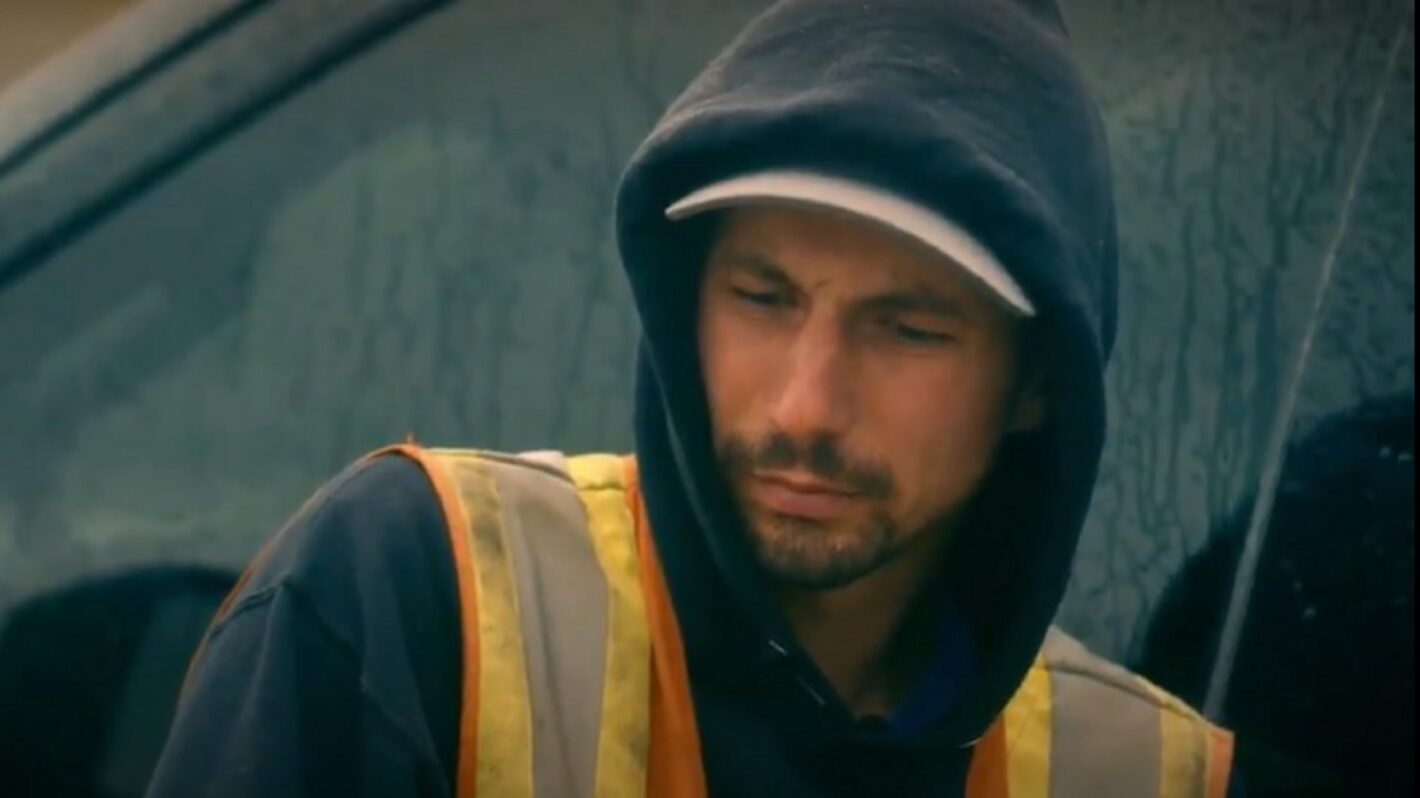
Pressure Mounts as Parker Tries to Stay on Track
Back at Dominion Creek, Parker’s season continued to feel unstable.
Sulphur Creek’s quick gold play had stalled, and the company remained heavily dependent on Roxan while trying to open more productive ground. Parker admitted that time was no longer his friend. Costs were rising, and his original 10,000-ounce goal was beginning to look unrealistic.
Eventually, he revised his target down to 8,000 ounces, but even that remained difficult.
To regain momentum, Parker decided to move Big Red again, this time into a new section of the bridge cut where a layer of red gravel had been exposed. Unlike the disappointing old Money Pit piles, this red gravel had never been sluiced before, and Parker believed it might contain a meaningful amount of gold.
The move was another gamble, but this one paid off much better.
After just four days of running, Big Red pulled in 136.5 ounces, worth over $341,000. At the same time, Roxan delivered its best result of the season so far, producing 285.1 ounces, worth more than $712,000.
For the week, Parker’s total climbed to 421.6 ounces, giving the season a badly needed boost.
Parker Ends His Final Indian River Season With Pride and Uncertainty
As the season at Indian River came to a close, Parker and his crew gathered for their final weigh-in on the claim that had shaped much of his career.
The last cleanup from the runway cut delivered 388.5 ounces, while the Panama Canal added 240.8 ounces. Together, the total for the week reached 629.3 ounces, bringing Parker’s season total to 8,118 ounces.
It was not enough to beat his record from the previous year, but it still represented nearly $14 million in gold.
More importantly, it marked the end of an era. Indian River was where Parker had built much of his reputation, and leaving the property carried clear emotional weight for him and the crew. He thanked his team for their effort and reminded them that while the future held uncertainty, he was determined to keep the group together and keep searching for new ground.
For Parker, the season had shown both his strengths and his vulnerabilities. He could still lead a major operation and produce extraordinary numbers, but the road ahead would demand difficult decisions and new opportunities.
Rick Ness Finds Hope at Mud Mountain
While Parker wrestled with logistics and long-term planning, Rick Ness was focused on a more immediate need: finding gold that could keep his season alive.
At Scribner Creek, the final cleanup from the good cut at Promised Land delivered a strong 317.4 ounces, worth around $570,000. That alone was a welcome relief.
But all eyes were really on Mud Mountain, a difficult new area that had already consumed massive effort and expense. The first cleanup from Mud Mountain produced 164.45 ounces, worth almost $300,000.
It was not the huge breakthrough Rick had dreamed of, but it was enough to prove that the gamble might still work. For a first run, the result gave the team reason to believe the deeper ground could still improve.
Rick’s weekly total reached 482 ounces, pushing his season total above 4,250 ounces. He remained behind last year’s pace, but Mud Mountain had at least shown enough promise to justify continuing.
Tony Beets Balances Risk and Experience at Paradise Hill
Tony Beets, meanwhile, continued to operate with the aggressive confidence that defines his mining style.
At Paradise Hill, he chased multiple opportunities at once. He tested old tailings, stripped new ground, and pushed his crew hard to capitalize on high gold prices. Not every gamble worked. The Piggy Bank cut, which Tony had hoped would deliver far more, produced only 105.2 ounces, barely covering the cost of mining it.
Still, Tony remained unapologetic. In his view, mining always involves calculated risk, and not every cut becomes a winner.
His instincts were rewarded elsewhere. The flooded 80 Pup cut was drained with the help of a newly built pond, and the family operation delivered an impressive 450.36 ounces in one weekly weigh-in, worth more than $766,000. That brought Tony’s seasonal total to over 2,500 ounces, putting him on a strong path toward his 5,000-ounce goal.
Tony’s season reflected exactly what has made him such a formidable miner for decades: a willingness to keep moving, keep testing, and trust that the odds will even out over time.
Frozen Ground Forces Parker Into a Hard Choice
Even with occasional success, Parker’s toughest challenge was not just finding gold. It was fighting frost.
At the long cut, frozen ground was making every yard more expensive to mine. Equipment was taking serious abuse, costs were rising fast, and the profit margin was shrinking. Eventually, Parker had to make the call he hated most: shut Roxan down and stop sluicing until warmer weather returned.
The decision hurt. Roxan was his only active source of revenue at that moment, and shutting it down meant giving up immediate income. But continuing to mine frozen ground would have been even more damaging in the long run.
The final cleanup before the shutdown delivered 152.3 ounces, worth more than $380,000, but it fell short of what Parker needed.
He admitted openly that the 10,000-ounce dream was slipping away. Even 8,000 now felt increasingly difficult.
Still, he understood something important. Mining at a bad profit margin just to chase a headline number was not smart business. And for Parker, preserving the operation mattered more than pretending everything was fine.
Alaska Finally Produces Gold Again
One of the brighter moments in Parker’s wider season came in Alaska, where his crew finally got the Red Rocket wash plant running after two years of work.
The team processed about 1,500 yards of oldtimer drift tailings, and the first cleanup produced 430 grams, equal to 13.82 ounces, worth over $23,000.
It was not a life-changing number, but it was meaningful for another reason.
It marked the first time Parker had recovered gold in Alaska in a decade.
For him and the team, that moment carried symbolic value. It proved the project could work and suggested that there might be more to come. After so much preparation, expense, and uncertainty, simply seeing gold on the scale made the whole effort feel worthwhile.

A Season Defined by Risk, Adjustment, and Endurance
Taken together, these events reveal the real shape of the season.
For Parker Schnabel, it was not a smooth march toward a record. It was a season of breakdowns, expensive mistakes, changing plans, and constant recalculation. Some gambles failed badly. Others paid off just enough to keep the company moving.
For Rick Ness, it was about survival and proving that difficult new ground could still deliver.
For Tony Beets, it was another reminder that bold decisions, even when imperfect, are still at the heart of successful mining.
In the end, none of these miners were simply chasing ounces. They were managing pressure, uncertainty, and the constant possibility that the next move could either save the season or sink it.
That is what makes Gold Rush compelling.
Not just the gold itself, but the decisions people make when everything is on the line.