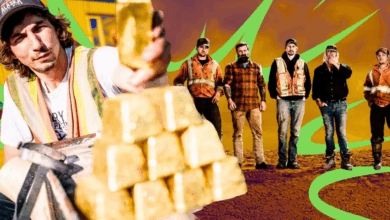
Parker Schnabel Takes a Risk: Three Wash Plants, One Last Chance to Save the Season
A Costly Start and Mounting Pressure
Nine weeks into the mining season, 29-year-old Parker Schnabel is feeling the weight of the Yukon. He’s spent $2.5 million chasing gold at Dominion Creek, but so far has managed to recover just over $1 million in gold — less than half of what he needs to stay afloat.
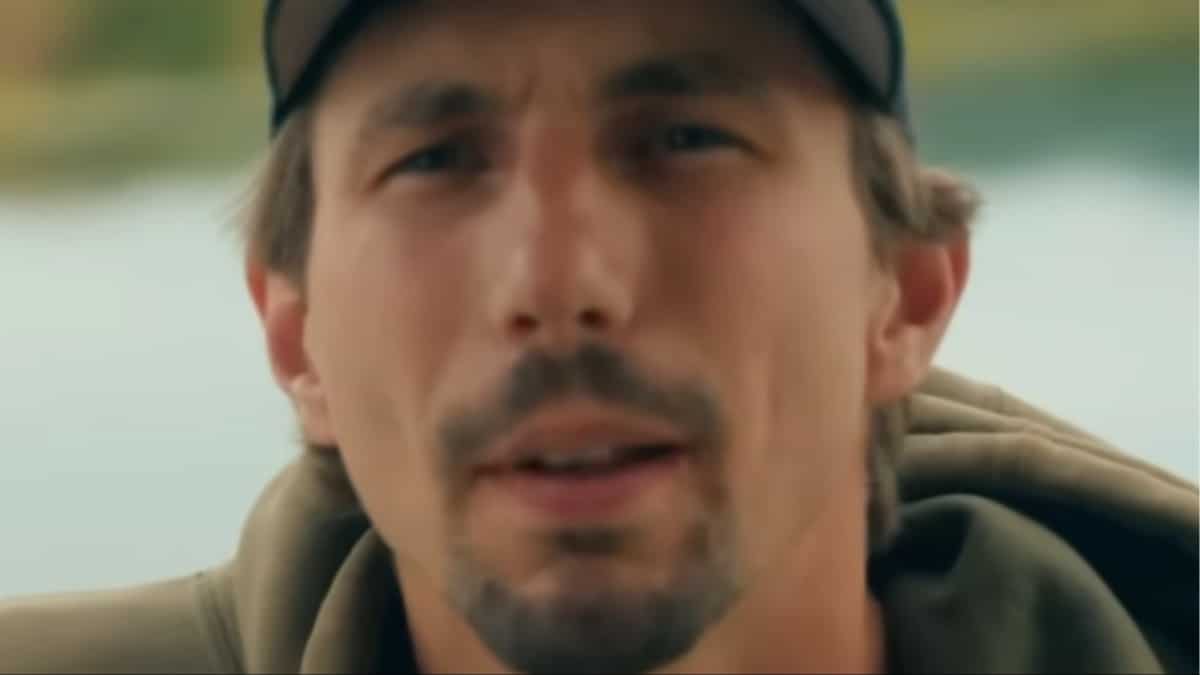
“We’re behind on a lot of fronts — both in pay dirt and gold in the box,” Parker admits. “I have no interest in running out of money. We need more gold coming in.”
Faced with dwindling returns and rising costs, Parker decides to take a gamble unlike any in his decade-long career.
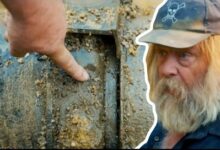

A Bold Move: Running Three Wash Plants at Once
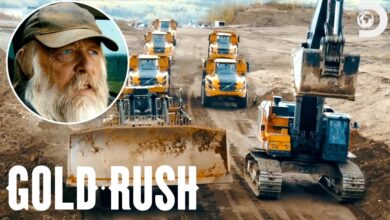
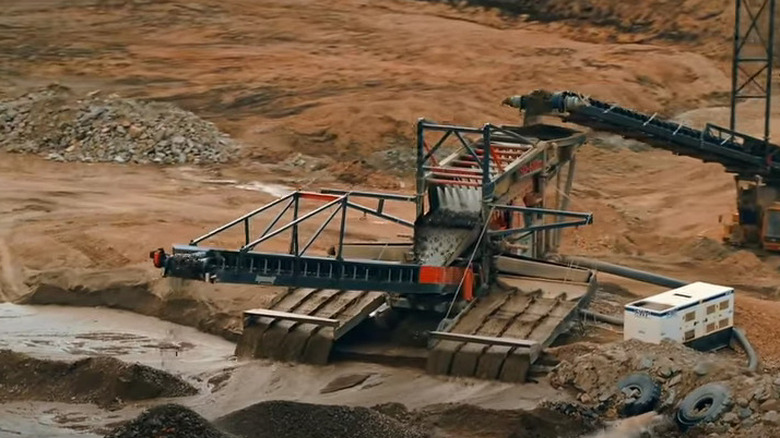
Desperate to dig himself out of the financial hole, Parker launches an unprecedented strategy: running three wash plants simultaneously. It’s a logistical nightmare — but potentially the only way to reach his ambitious 10,000-ounce season goal.
He’s sending a third wash plant, nicknamed “Bob,” and an additional crew to Ken and Stewart’s ground on the Indian River. The mission: produce $2.5 million worth of gold in just three weeks.
“When we have three wash plants running, it’s all about the gold weigh at the end of the week,” Parker explains. “If we can keep them all producing, that’s going to be a hell of a lot of gold.”
The plan could pay off — or push his crew to breaking point.
The Haul: Moving “Bob” Across Rough Country
At Dominion Creek, Parker’s two main wash plants — Rock Sand and Big Red — are already grinding through the long cut and bridge cut. But now, the crew must move “Bob,” a 45-ton shaker deck, 12 miles through tight forest trails and across a 25-foot-wide creek to its new home at Damian’s Cut.
To pull it off, Tyson Lee enlists the help of veteran hauler Mike Tupper. The team braces for a tense move through soft ground, tight corners, and unpredictable creek crossings.
“If it falls off, we’ve got problems,” Tyson mutters as they begin the haul.
After hours of careful maneuvering — and a few tree branches sacrificed along the way — “Bob” finally arrives intact.
“Here we are,” Tyson radios. “One piece, boys. Let’s get her running.”
First Gold: Hope and Disappointment
Once “Bob” is assembled and running, the crew waits anxiously for the first cleanup. The numbers are sobering: 58.85 ounces, worth around $147,000.
“That’s not good,” Parker sighs. “This makes me think the Indian River wasn’t so bad after all.”
Back at Dominion, Rock Sand performs better, pulling 185.65 ounces, worth $464,000 — a much-needed morale boost. But the third plant adds only 58.45 ounces, for another $146,000.
Together, the three wash plants bring the season total to 1,177 ounces — far short of expectations.
The Reality Check
For all the new equipment and manpower, Parker’s operation is still lagging behind last year’s performance — when a single wash plant produced more gold.
“That’s embarrassing,” he admits. “That’s a lot of work for 300 ounces.”
Crew morale dips as the team faces the harsh truth: running more wash plants doesn’t necessarily mean more gold.
“We’d have done that with one plant last year in the Money Pit,” one crew member says quietly.
“This is bad.”
A Tough Road Ahead
As the season pushes on, the team’s exhaustion and financial strain grow heavier. Fuel costs, maintenance delays, and inconsistent pay dirt threaten to derail everything Parker has built.
Still, he refuses to back down.
“We’ve got three big wash plants rolling away and they’re finding less gold than one did last year,” Parker says grimly. “It’s insult to injury. But we’ve got a long row to hoe — and this is the only shot we’ve got.”
The pressure is on. The ground is thin. And for Parker Schnabel, every ounce counts.