The Truth Behind Chris Scambler’s Shocking Departure from ‘Deadliest Catch’ Season 8

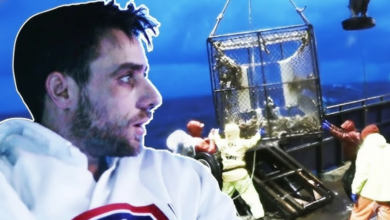
The Bering Sea is a place of relentless danger, and no one knows that better than Chris Scambler, the first-time greenhorn who faced a life-threatening ordeal on Deadliest Catch. Season 8, Episode 5, “Alien Abduction,” marked a turning point for Scambler as he began questioning his decision to join the Wizard’s crab fishing crew, but that was only the beginning of the situation that would result in his immediate evacuation. Despite his initial pleas, Captain Keith Colburn showed no mercy, leaving Scambler no choice but to get back to work.
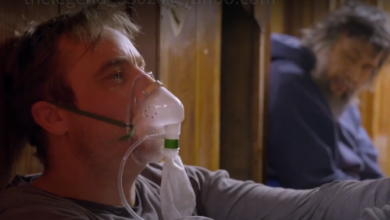
During Season 8 of the reality series, Scambler’s challenges only escalated. What started as neck pain and numbness evolved into convulsions, leading to a life-threatening medical emergency for the greenhorn. By Episode 7, Scambler made his exit from the season after getting airlifted to Anchorage by a USCG 6010 helicopter. Scambler’s mysterious ordeal remains one of the most out-of-luck moments in the show’s history, and few episodes depict a situation quite as frightening as what happened to Scambler.
What Was the Deadly Reality Behind Scambler’s Sudden Evacuation?
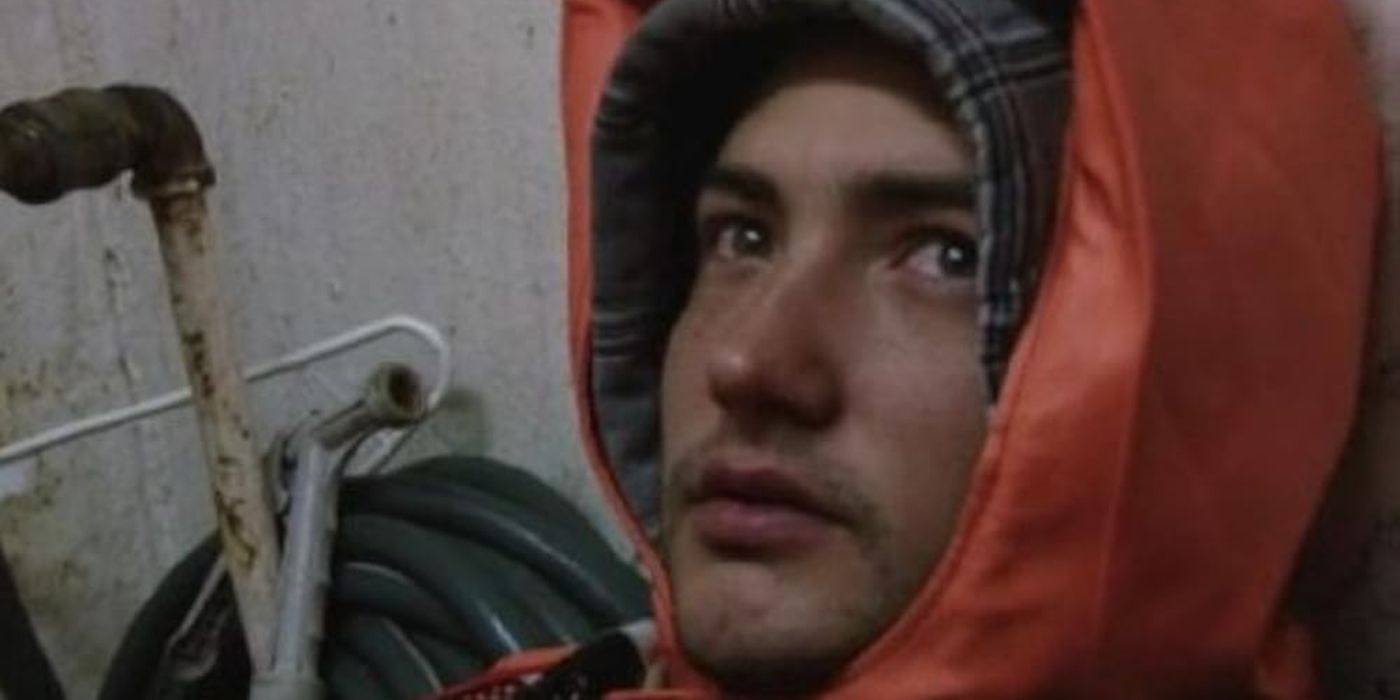
When Chris Scambler joined the Wizard during Deadliest Catch Season 8, his expectations were likely in line with every new recruit’s: hard work, cold conditions, and a brutal learning curve. It’s true that newbies on Deadliest Catch often experience physical fatigue and seasickness as they adjust to the extreme demands of crab fishing. But Scambler’s situation was different. Instead of the normal challenges, he encountered a medical breakdown that escalated into one of the most urgent emergencies in the show’s history. The signs began subtly — numbness, stiffness in the neck, and a general sense of unease. Yet within days, his condition deteriorated to the point of convulsions and vision impairment, requiring immediate evacuation. It was a collapse without warning or precedent among rookie deckhands.
Unlike most injuries shown on Deadliest Catch, which result from environmental hazards or equipment failure, Scambler’s breakdown emerged from within. His symptoms didn’t match seasickness or fatigue, so the crew members initially believed severe dehydration and shock were the culprits. In an effort to stabilize his condition, they rushed to hydrate Scambler with Gatorade. Despite their attempts, Scambler’s condition only worsened.


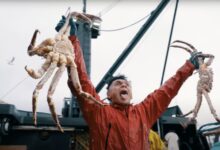

As time passed, he began experiencing far more disturbing symptoms, including double vision. That’s when Captain Keith Colburn knew for a fact that his condition was far worse than anyone expected. And, as Scambler began to convulse and lose motor control, it became clear this was something more than extreme exhaustion. The urgency of this situation left no room for doubt — Scambler needed immediate evacuation, and Colburn instantly called the Coast Guard for a medevac.
No One Saw Chris Scambler’s Condition Coming in ‘Deadliest Catch’
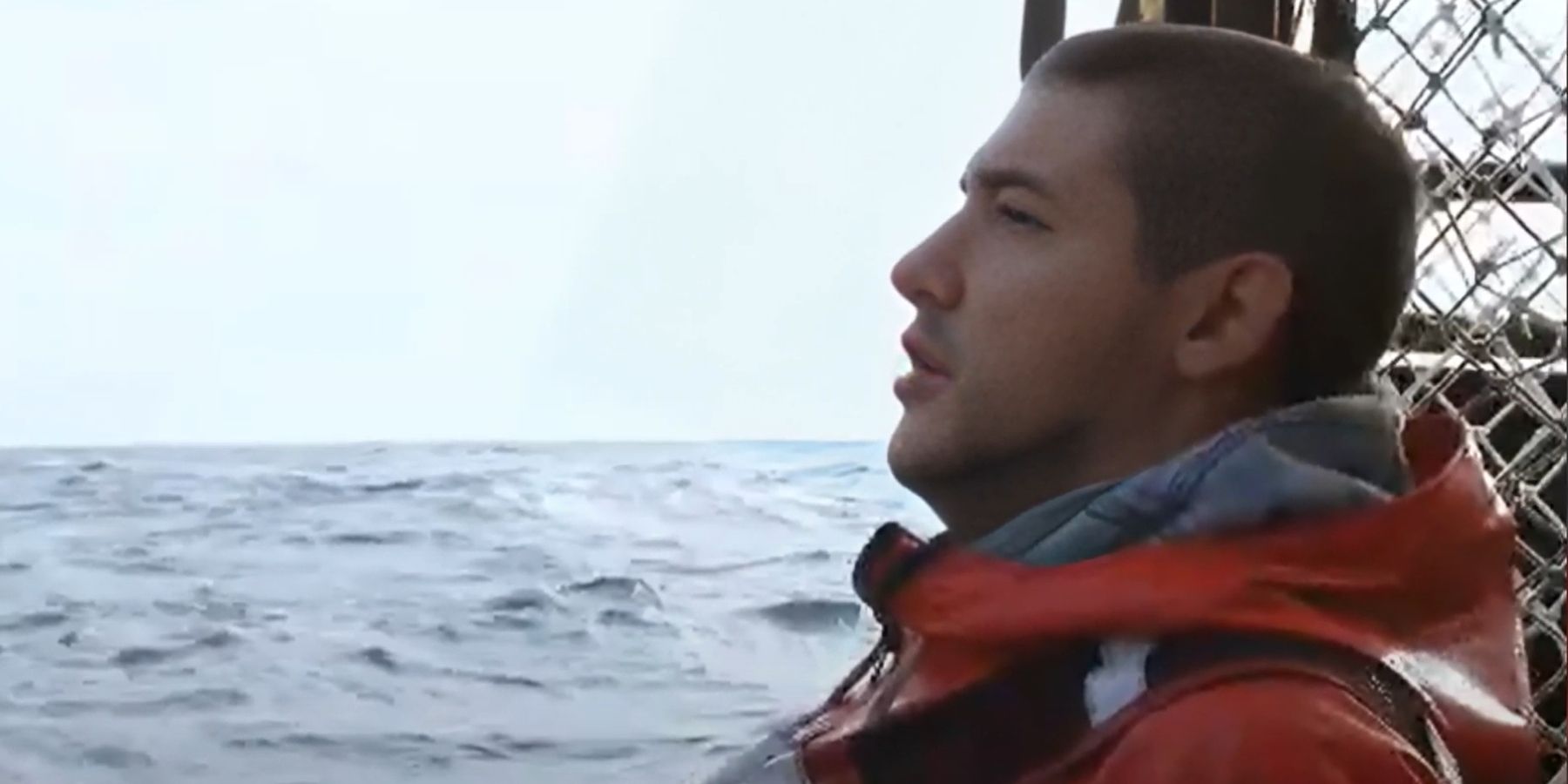 The Bering Sea has never been kind to its fishermen, and Deadliest Catch has chronicled some of the most brutal moments in reality television: crushed hands from snapped lines, overboard rescues in freezing water, crew members nearly impaled by swinging pots. But what happened to Chris Scambler in Season 8 wasn’t the result of high seas or violent machinery — it started with what was reported as severe dehydration, but ended up slipping past all instincts of seasoned crew members and spiraling completely out of proportion. No one could see it coming, and no one had the tools on deck to intervene meaningfully. The utter lack of recognition as to what was happening made it all the worse.
But there were other issues at play as well. The situation became more volatile due to the lack of visual trauma. There was no blood or obvious injury, yet the evolving symptoms, shaking, loss of coordination, and double vision, signaled a life-threatening internal issue. Even Captain Keith Colburn, known for his no-nonsense attitude and skepticism toward greenhorn complaints, recognized the danger immediately once Scambler’s condition crossed that invisible threshold.
Chris Scambler’s Emergency Was Unprecedented in ‘Deadliest Catch’
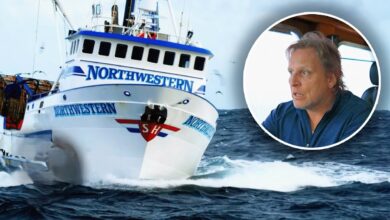
Colburn’s decision to radio the U.S. Coast Guard, therefore, and request a medevac was strategic and certainly what the moment needed. His exact statement when talking to EW was, “I’ve had guys get hurt — head injuries, leg injuries, you name it, I’ve seen it. But never have I seen somebody go that far south that quickly.” While it gives a clear sense of what was going through his mind, these words also capture exactly why and how Scambler’s case was different than others. It was no longer a medical scare like Matt Bradley’s drug withdrawal on the Northwestern, or perhaps a temporary collapse like Aaron “Big Time” on the Time Bandit, this was a full physiological shutdown, with no trauma, no warning, and no precedent for the kind of systemic failure unfolding in real time.
Throughout its two-decade run, Deadliest Catch has featured some of the most high-stakes survival moments ever aired. On the Time Bandit, for instance, a crew member once fell into a coma after a head injury and needed rapid transport. On the Northwestern, a near-fatal tumble on ice took a deckhand out mid-season. But all those events involved visible, external forces: ice, equipment, or the ocean. Scambler’s ordeal stood out because it offered no such obvious cue, and the root cause of it remained undiagnosed on the boat.
Chris Scambler’s Silence After His ‘Deadliest Catch’ Scare Speaks Volumes