Captain Jake Anderson’s Risky Bottleneck Strategy To Save Crab Season | Deadliest Catch

120 MILES NORTH: A SPREAD-OUT BITE
One hundred and twenty miles north of Dutch Harbor, Captain Jake Anderson surveys a wide, scattered field of crab. The numbers are there — but they are thinly distributed across nearly 40 square miles.
With only eight days remaining before cannery closure, Jake still needs 130,000 pounds to complete his quota aboard the Titan Explorer. Every decision now carries weight.
“I’ve punched a hole in my Darai,” he notes, but the fishery has shifted quickly. The crab are moving — and he needs to anticipate where they’re heading next.

READING THE BOTTLENECK
Studying his plotter, Jake identifies what appears to be a natural funnel — a bottleneck where migrating crab may consolidate. The channel is wide, but it offers structure, and structure can concentrate movement.
Instead of spreading gear thinly across open ground, Jake makes an aggressive call: weld pairs of pots together and create a barrier across the narrow corridor.
By fusing pot backs together and deploying them strategically, he hopes to corral dispersed crab into a tighter feeding lane. It’s unconventional. It’s labor-intensive. And it may define the season.
A MAKE-OR-BREAK SET
The first welded string rises through heavy weather. Deckhands brace against the rail as the block strains under load.
Jake sets expectations carefully. Anything above 50 per pot would be respectable.
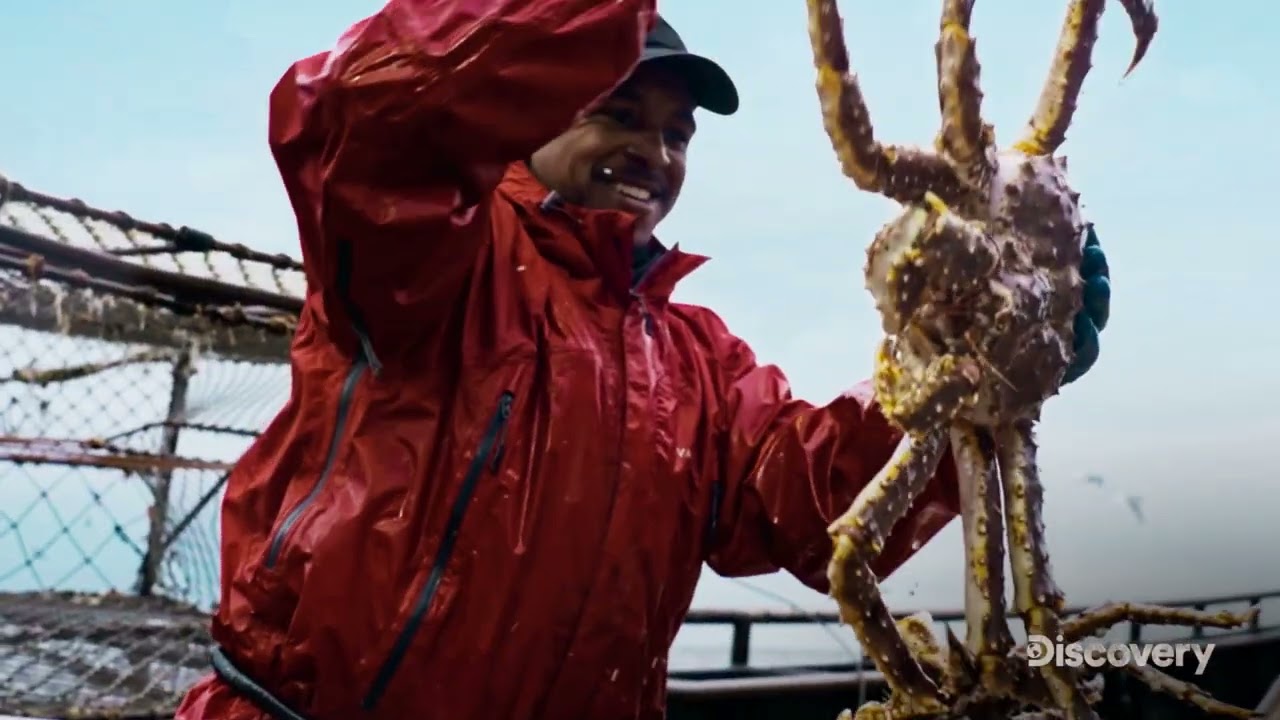
When the first pot clears the surface, the count shocks the deck: 92.
The following pulls confirm the pattern — 85, 82, consistent 80-plus averages. The bottleneck theory is holding.
“If this works, I’m a hero,” Jake says earlier. Now the numbers suggest he may be onto something significant.
NORTH OR SOUTH?
As success builds, radio chatter intensifies. Reports suggest stronger life to the south, but Jake believes the northern lane still has untapped potential.
Fishing strategy becomes a balance between confidence and caution. Move too soon, and you abandon a productive line. Stay too long, and you risk missing the shift.
For now, Jake stays north — trusting his read of the crab’s movement.
FATIGUE SETS IN
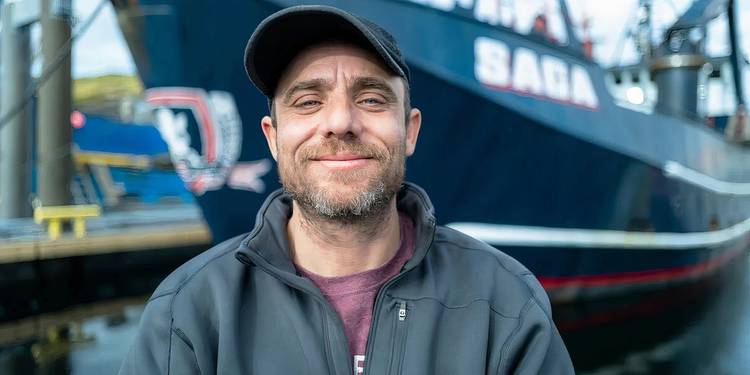
Long hours and relentless focus begin to take their toll. Jake admits he feels like he’s been awake for over a day. Fatigue creeps in.
Recognizing the need to keep operations steady, he hands the wheel to Clark for a string haul in deteriorating weather. It’s a test of confidence and crew development.
Once the line is locked in the block, the rest is execution. Clark hauls cleanly. One pot produces 94. Another climbs to 144. The averages are climbing.
The strategy is not only working — it’s improving.
RACING THE CLOCK
With cannery closure approaching, every string hauled brings Jake closer to the finish line. But exhaustion cannot be ignored. Feeling dizzy, he steps back to rest while the crew continues setting and hauling.
The welded pot barrier has shifted the momentum. Crab that were scattered across open water are now moving through a controlled channel.
If the pattern holds, the final eight days could transform a scattered fishery into a strong finish.
STRATEGY OVER LUCK
The gamble here was not blind. It was calculated — built on plotter analysis, migration assumptions, and a willingness to alter conventional methods.
In a season where margins are tight and closure looms, Jake’s welded-pot experiment demonstrates how innovation can turn dispersed opportunity into concentrated payoff.
Now the question is simple: will the bottleneck continue to fill — or will the crab shift again before the quota is complete?