A New Boat, New Pressure: Inside Jake Anderson’s High-Risk Return to King Crab Fishing

Jake Anderson’s Season on the Edge
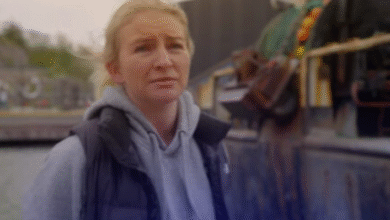
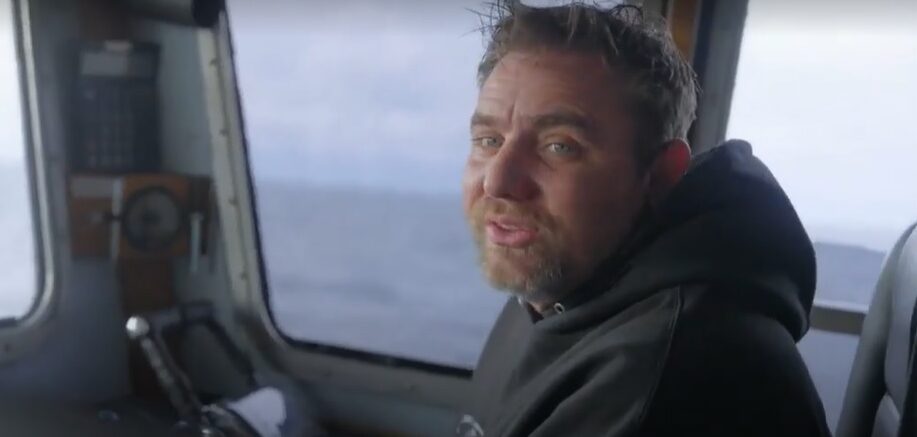
What began as a long-awaited return to king crab fishing quickly turned into one of the most uncertain chapters of Deadliest Catch for Jake Anderson. After years of working his way up from greenhorn to skipper, Anderson found himself facing pressure from every direction — financial strain, mechanical failures, and decisions that could define his future on the Bering Sea.
A Boat in Trouble Before the Season Begins
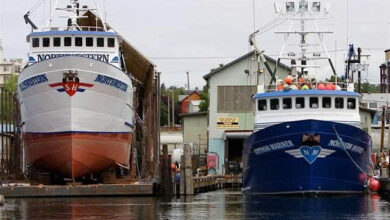
Just weeks before fishing was due to start, Anderson received a call that left him stunned. His longtime vessel, the Saga, was facing serious financial trouble. What he believed would be a strong king crab season capable of stabilising the operation suddenly looked far less certain.


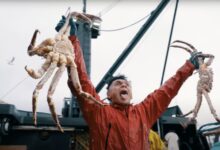
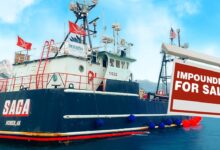
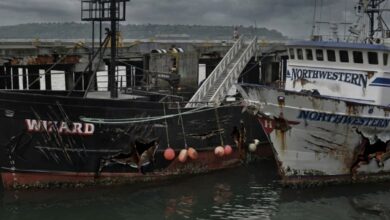
When Anderson arrived at the dock, he was met with locked doors and a repossession notice. Everything he had invested — personal savings and long-term plans for his family — was tied to the boat. With the season only days away, he was left searching for answers while time continued to run out.
A New Opportunity, a New Risk
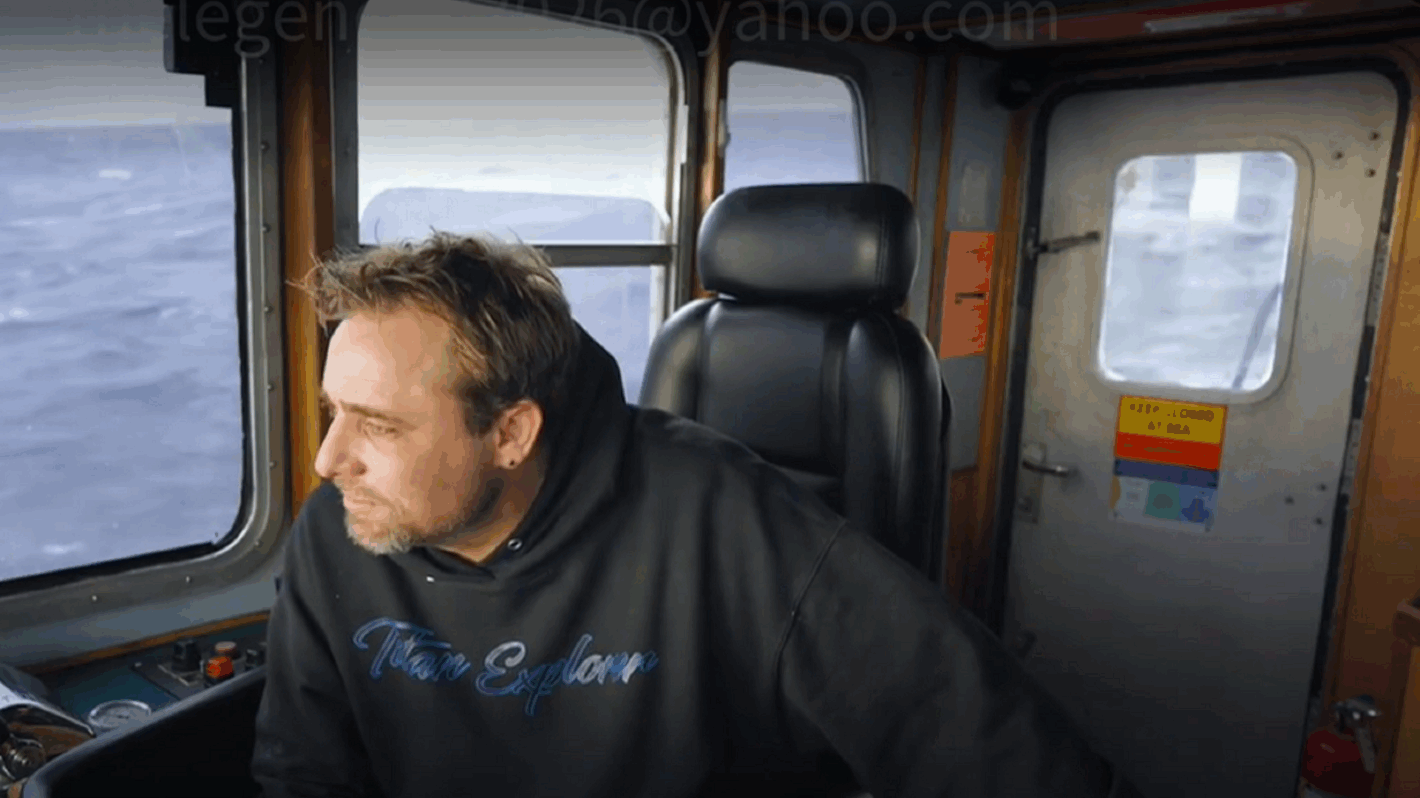
Amid the uncertainty, Anderson was offered an unexpected opportunity: to take the helm of the Titan Explorer, a larger, faster, and more technologically advanced vessel. Accepting the role meant starting over — no longer as an owner, but as a hired captain with everything to prove.
Walking onto the Titan Explorer marked both a fresh start and a test. The boat offered greater speed, capacity, and modern systems, but trust from the crew and owners would have to be earned from scratch.
Early Setbacks at Sea
From the moment the season began, problems followed. Lighting systems failed, forcing the crew to improvise with temporary solutions. Without proper deck illumination, night operations became far more difficult, increasing strain on both crew and equipment.
Despite the setbacks, Anderson pushed forward, knowing that every hour mattered. With delivery deadlines approaching, slowing down was not an option.
Decisions Under Pressure
As fishing progressed, Anderson faced difficult strategic calls. Limited visibility, shifting crab patterns, and competition from other vessels created a constant need to choose between speed and caution.
At one point, Anderson explored the possibility of transferring quota — a move that sparked tension with fellow captains. While nothing ultimately changed hands, the situation highlighted how narrow the margins had become. Every decision carried consequences not just for the season, but for Anderson’s future as a skipper.
Family, Memory, and Motivation
Amid the operational challenges, Anderson was also dealing with personal loss. The memory of his uncle Nick, who had played a central role in his life and career, weighed heavily during the season. A tribute at sea served as a reminder of why Anderson continued pushing forward, even when conditions felt overwhelming.
Fishing, for Anderson, was never just about quota. It was about honouring the people who had shaped his path.
Mechanical Failures Raise the Stakes
As the season wore on, steering and fuel system issues emerged aboard the Titan Explorer. With rough conditions and long distances from port, even minor technical problems carried serious implications.
At one point, Anderson was forced to consider how to navigate without full steering control — relying on throttles and experience to maintain direction while repairs were attempted. It was a stark reminder of how quickly circumstances can change at sea.
Proving Himself All Over Again
Despite setbacks, Anderson remained focused on one goal: proving he belonged in the captain’s chair. Unlike earlier stages of his career, this time there was no safety net. Performance would determine whether he stayed on the Titan Explorer beyond the current season.
Every pot hauled, every mile travelled, and every repair completed became part of that evaluation.
A Season That Redefined Leadership
By the end of the season, Anderson’s journey was less about totals and more about resilience. Operating under constant pressure, he navigated conflict, technical setbacks, and personal reflection while learning what it meant to lead without ownership, certainty, or guarantees.
For Anderson, this chapter was not just another fishing season. It was a reset — one that tested experience, judgment, and resolve, and reshaped how he approached the role of captain moving forward.