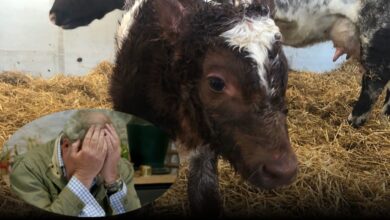
Jeremy Clarkson’s Net Worth Revealed Amid Harsh Farming Realities
From Cars to Crops
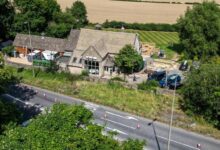
Jeremy Clarkson, once the face of motoring television with Top Gear and later The Grand Tour, has spent the past few years reinventing himself as a farmer. His project, Diddly Squat Farm in Oxfordshire, has transformed from a personal challenge into a worldwide phenomenon thanks to the hit Prime Video series Clarkson’s Farm.
Clarkson originally purchased the farm in 2008, when it was still known as Curdle Hill Farm. What began as a simple property purchase evolved into a real working farm that has since captured the hearts of millions through his unfiltered, often comedic yet brutally honest documentation of rural life.

A Television Triumph
Since its debut, Clarkson’s Farm has become one of Prime Video’s most popular shows. The series has now run for four seasons, with a fifth already confirmed. Audiences tune in not only for Clarkson’s trademark humor but also for the genuine insight into the difficulties British farmers face.



From battling weather conditions to dealing with strict agricultural regulations, Clarkson has used his platform to highlight the struggles of modern farming. Fans around the world have praised him for raising awareness of the challenges behind food production—something rarely shown on mainstream television.
Net Worth Revealed
Despite his struggles with the land, Clarkson’s overall financial success is undeniable. According to Celebrity Net Worth, his fortune is estimated at £59 million.
Much of this wealth comes from decades in television, lucrative book deals, and his work as a columnist. The success of Clarkson’s Farm has only added to his financial standing, proving that his career pivot to farming has been not only a cultural success but also a profitable venture.
A Catastrophic Harvest
Yet money does not shield Clarkson from the realities of agriculture. In August, he revealed that his 2024 harvest was catastrophic.
“It looks like this year’s harvest will be catastrophic,” he admitted. “That should be a worry for anyone who eats food. If a disaster on this scale had befallen any other industry, there would be a lot of wailing and gnashing of teeth.”
His words were more than just a personal complaint—they highlighted how fragile farming can be in the face of poor weather, changing markets, and rising costs.

The Grim Numbers
Writing in his Sunday Times column, Clarkson went into detail about just how bad the situation had become.
“The upshot is that Cheerful Charlie came round last week with the figures, and in the farming year of 2024-25 I’ve lost about £5,000,” he explained.
Even more telling was his comparison to the year prior:
“Last year, when it didn’t stop raining, I made less than £15,000.”
When stacked against his workload and expenses, the numbers are sobering.
The Harsh Reality for Farmers
Clarkson concluded with a broader point that resonated across the farming community:
“If those numbers are typical, it means farmers are working twice as hard as anyone else and not even getting the minimum wage.”
It’s a statement that goes beyond personal grievance. Many UK farmers struggle with razor-thin margins, unpredictable weather, and fluctuating crop prices. Clarkson’s blunt honesty has brought this crisis to the forefront, showing that even someone with millions in the bank can’t escape the brutal mathematics of farming.
Balancing Wealth and Struggle
There is an undeniable contrast between Clarkson’s estimated £59 million fortune and his farming losses. Critics might argue that he can afford the setbacks, but Clarkson has turned that irony into a platform to spotlight the plight of those without his safety net.
Through Clarkson’s Farm, he has become an unlikely advocate for agricultural workers—using his wealth and fame to bring their struggles to an audience that might otherwise never have understood them.
Looking Ahead
With a new season of Clarkson’s Farm on the horizon, fans will likely see more of these challenges play out on screen. Whether it’s battling poor weather, navigating complex farm policies, or trying to keep Diddly Squat afloat, Clarkson’s journey continues to be both entertaining and eye-opening.
The Bigger Picture
At its core, Clarkson’s farming story is about more than numbers. It’s about resilience, frustration, and the disconnect between how society values farming and how farmers are actually compensated. Clarkson’s fortune may cushion his losses, but for countless others, those figures mean survival or collapse.