Jeremy Clarkson Calls for Farming Support as Fans Suggest He Should Become Agriculture Minister

Would Jeremy Clarkson Make a Good Farming Minister?
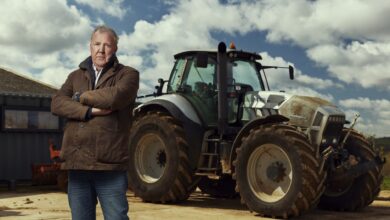
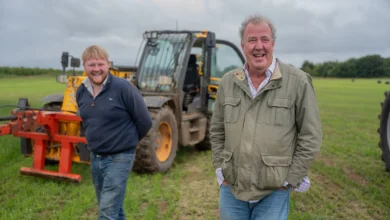
Jeremy Clarkson, best known for his role as a TV presenter and the star of Clarkson’s Farm, has become an unexpected advocate for the farming community. Following his appearance at the No Farmers, No Food campaign, fans and followers have begun to question whether Clarkson could make a good agriculture minister.

In his speech, Clarkson voiced his concerns about the farming sector and the government’s role in supporting it. He called for a shift in priorities within Parliament to ensure that farming receives the attention it needs to thrive in the future.
Clarkson’s Call for Action
During his appearance at the campaign, Clarkson pointed out the frustrating hurdles farmers face, particularly when it comes to diversifying their operations. “We’ve been asked to diversify, and when we try to do that, the local authorities tell us we can’t, and that needs addressing,” Clarkson said, emphasizing the need for policy changes to help farmers adapt and succeed in an evolving agricultural landscape.




Fan Reactions: Could Clarkson Be the Right Fit?
Clarkson’s statements sparked significant engagement from his fans. One follower suggested: “Please join Reform. You could be their advisor/intermediate between farmers and what they need.” Another added: “Keep up the fight for farmers’ rights,” applauding Clarkson’s efforts to support agricultural workers.
Some fans even went a step further, suggesting that Clarkson would make a strong candidate for agriculture minister. The debate took a political turn, however, when another follower pointed out that Brexit policies had exacerbated the struggles of farmers by cutting subsidies from the European Union, leading to cheaper imports and increased competition for domestic farming.

Clarkson’s Response to Brexit Criticism
Clarkson, known for his blunt style, quickly responded to the comment, saying: “Oh dear. You don’t seem to have a grasp of reality.” His remark reflects the tension and differing opinions surrounding the impact of Brexit on the agricultural sector, with some blaming it for current challenges while others argue that the issues run deeper.
The Government’s Tax Changes and the Farming Crisis
While Clarkson’s potential role in government remains speculative, the debate surrounding farming policy has intensified, particularly regarding inheritance tax (IHT). During the January 12th demonstration, organizers, including Dan Willis from Rookery Farms, voiced their concerns about the government’s partial U-turn on IHT reforms, arguing that it’s not enough to address the financial struggles of family farms.
The Inheritance Tax Crisis
Willis, whose farm is located in Newbury, Berkshire, highlighted the serious consequences of inheritance tax on family-run farms. “We can’t move forward with this elephant in the room, which is the inheritance tax,” he said. “It is stopping all farm investments.”
The proposed inheritance tax changes have been seen as insufficient by many in the farming community, particularly those hoping to pass their farms on to future generations without the burden of crippling tax liabilities. “Older members of the community want to know when to die to pass their farm over,” Willis explained, underscoring the emotional and financial toll this issue places on farming families.

The Bigger Picture: The Attack on Farming
Willis also argued that the challenges facing the agricultural sector go beyond inheritance tax. He claimed that the Labour government has “attacked farmers’ way of life,” making it increasingly difficult for farmers to run profitable businesses.
“This is an attack on our food system and our food security,” Willis said. “Unless we start addressing these critical issues, we’re on a road to importing food at lower standards than we’ve ever accepted before.”
Conclusion: A Call for Change in Farming Policy
As Clarkson continues to use his platform to speak out on behalf of farmers, it’s clear that the issue of supporting agriculture in the UK has captured the public’s attention. While whether Clarkson would make a good farming minister remains up for debate, his advocacy for the sector, along with the growing dissatisfaction within farming communities, shows just how urgent these issues have become.
The future of farming in the UK relies on policies that not only support farmers but also protect food security for generations to come. Whether through improved tax reform, better regulatory support, or the involvement of figures like Clarkson in the political conversation, change is clearly needed to secure the survival of this vital industry.