The Curse of Oak Island Season 12: What Do the Traces of Gold and Silver Say About Oak Island?

The Curse of Oak Island Season 12: High Stakes, Historical Mysteries, and New Discoveries
Season 12 of The Curse of Oak Island continues to captivate viewers with its compelling blend of historical intrigue, scientific exploration, and perilous treasure hunting. This season, the team pushes deeper into the mysteries of the fabled Money Pit and its surrounding areas, uncovering tantalizing traces of gold and silver that could finally validate centuries-old legends.
The Garden Shaft: Flooding and New Clues
One of the most gripping storylines this season revolves around the Garden Shaft, an 18th-century structure rebuilt by DEAS Contracting Limited. Beneath the shaft, the team discovered a collapsed tunnel leading westward into an area nicknamed the “Baby Blob,” identified through advanced groundwater testing. This region revealed significant traces of gold, silver, and other metals between 80 and 120 feet deep.
The team’s excitement was tempered by disaster when ocean water suddenly flooded the shaft, suggesting the possible activation of the legendary engineered flood tunnel system designed to protect the Money Pit’s treasures. The unexpected force and volume of the water validated long-standing theories of an elaborate booby trap, halting operations temporarily but strengthening the team’s resolve to uncover the truth.

Lot 5: A Treasure Trove of Historical Artifacts
Another major focus of exploration is Lot 5, a four-acre property acquired in 2022. This area has yielded fascinating discoveries, including:




- Four Roman coins dating back 2,000 years.
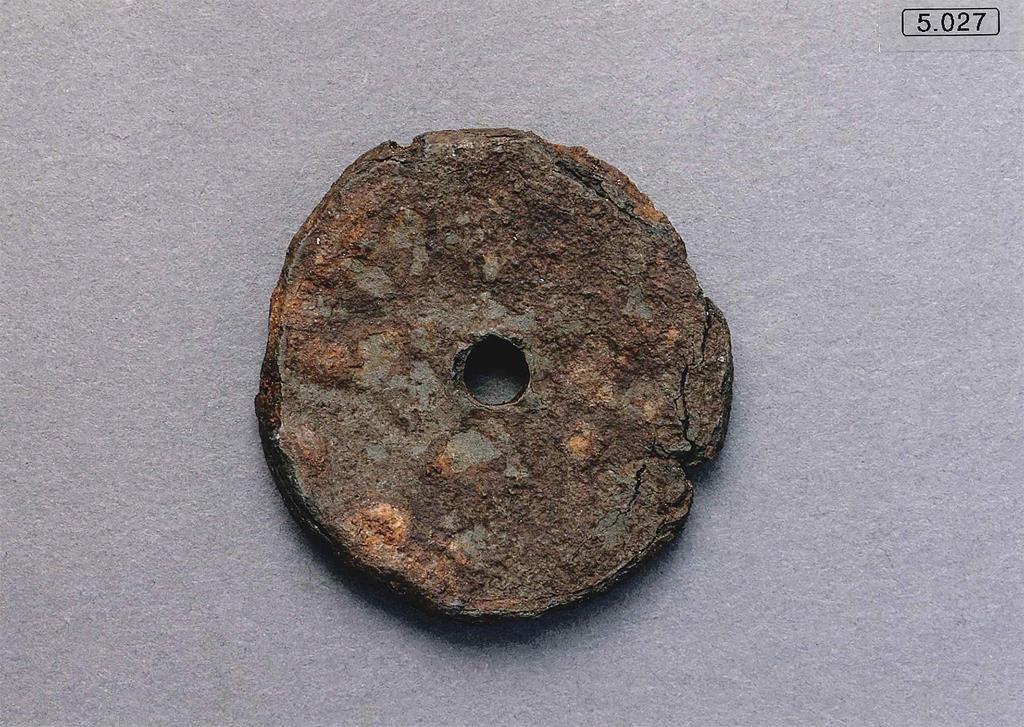
- A 14th-century lead barter token potentially linked to the Knights Templar.
- Iron tools possibly associated with Sir William Phips, a 17th-century figure rumored to have buried Spanish silver on the island.
Adding to the intrigue are two stone foundations—one rectangular and one semicircular—suggesting multigenerational efforts to conceal or protect something of immense value. Archaeologists have identified airflow gaps beneath the stones, further deepening the mystery of these structures’ purpose.
High Traces of Gold and Silver: Science Meets History
The detection of elevated levels of gold and silver in groundwater samples has become a cornerstone of this season’s discoveries. These traces are significant because they provide scientific validation for the legends surrounding Oak Island. Historical accounts of Spanish silver and potential connections to the Knights Templar gain new credibility with the discovery of these metals.
Using cutting-edge technologies like borehole sampling and horizontal drilling, the team continues to focus on areas with the highest potential. These advancements reduce risks and maximize efficiency, allowing the team to target promising regions while navigating setbacks like the garden shaft flooding.
Revisiting the Flood Tunnel Legend
The dramatic flooding of the Garden Shaft has reignited interest in the island’s most enduring mystery: the flood tunnels. According to lore, these tunnels were engineered to protect the Money Pit by inundating it with ocean water. The sheer volume and speed of the recent flooding suggest a functional system of remarkable precision and durability.
This discovery raises questions about the original builders’ engineering expertise and the extraordinary value of the treasure they sought to protect. Could the team have triggered a centuries-old mechanism?
The Historical Context: Pirates, Templars, and Explorers
The discoveries this season tie Oak Island’s mystery to a rich tapestry of historical narratives:
- The Knights Templar, fleeing Europe in the 14th century, may have hidden treasures on the island.
- Sir William Phips’s rumored stash of Spanish silver connects Oak Island to the Golden Age of Exploration.
- The Roman coins found on Lot 5 hint at the island’s history extending far beyond colonial times.
These finds challenge the assumption that Oak Island’s story is solely about pirate treasure, suggesting a more complex, multigenerational effort to hide something of immense historical and material value.
A Model for Modern Treasure Hunting
The team’s integration of modern technology with traditional archaeological methods has set a new standard for treasure hunting. Groundwater testing, borehole sampling, and horizontal drilling provide scientific evidence that not only guides exploration but also bolsters the credibility of their findings.
Despite setbacks, such as the garden shaft flooding, the team’s persistence and adaptability ensure progress. Their meticulous approach preserves the historical context of their discoveries, contributing to the broader understanding of Oak Island’s enigmatic history.
What Lies Ahead
As Season 12 unfolds, the tantalizing traces of gold and silver discovered on Oak Island fuel both the team’s determination and viewers’ excitement. Questions remain:
- Who were the original depositors?
- Was the treasure intentionally hidden, and if so, why?
- What role did the structures on Lot 5 play in this centuries-old mystery?
Whether or not the team uncovers a physical treasure vault, their journey is a testament to human curiosity and resilience. Each discovery—from ancient coins to engineered flood tunnels—brings them closer to unraveling one of history’s most captivating enigmas.
This season is more than a quest for gold; it’s a journey into the unknown, blending science, history, and adventure in a way that keeps audiences enthralled. The high traces of gold and silver serve as both a beacon of hope and a reminder of Oak Island’s enduring allure. For Rick, Marty, and their team, every step forward is a victory, and for viewers, every discovery is a reason to keep believing in the legends of Oak Island.