Deadliest Catch: The Horrifying Truth Behind TV’s Most Dangerous Show
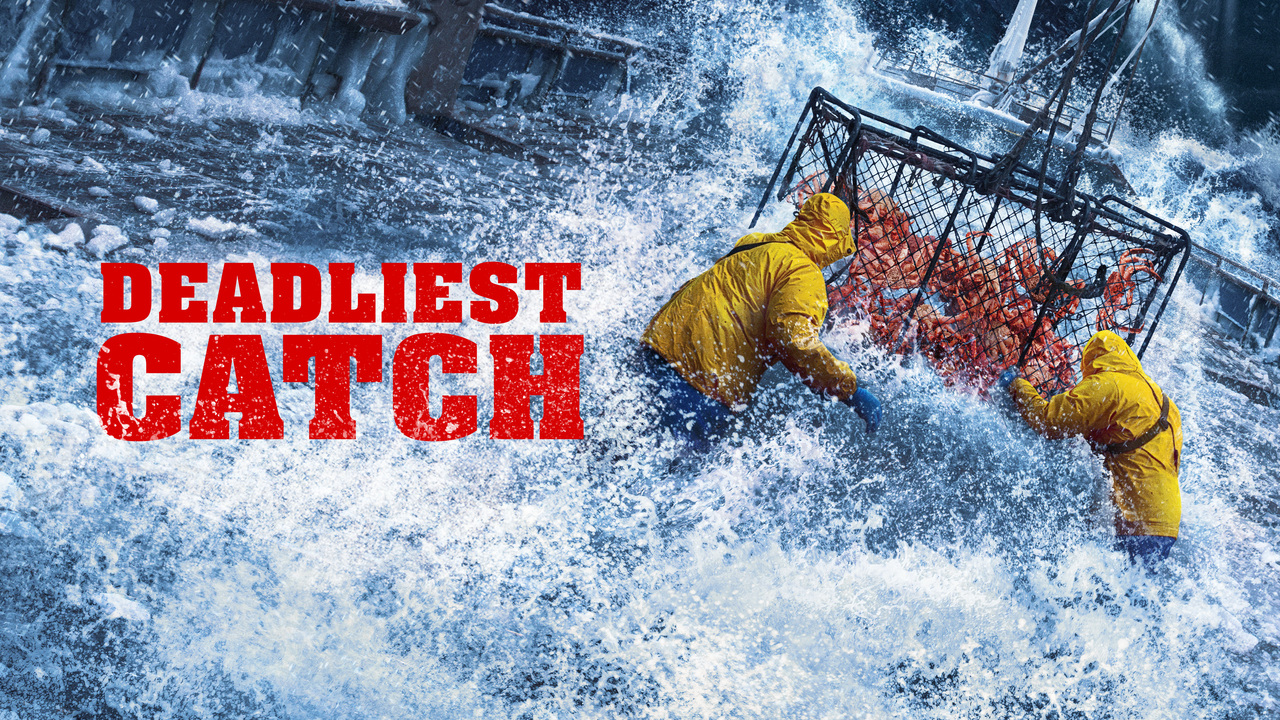
Gale-force winds hammer the Bering Sea, pinning most of the fleet to the dock.
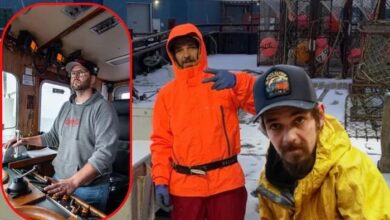
Captain Jake Anderson of the Saga readies to be the first to throw lines and charge into the storm, chasing a $2 million king crab bounty.
But behind one of the most-watched reality shows on television lies a much darker reality—
accidents, deaths, health collapses, lawsuits, and a silent threat that could end it all.
Is this the beginning of the end for Deadliest Catch?
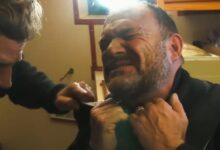
A Life-and-Death Gamble at Sea
Rumors have been swirling that Deadliest Catch might be nearing its final seasons, and fans are asking:
What really happens when the cameras stop rolling?
Commercial fishing is one of the most dangerous jobs on Earth—
and Alaskan king crab fishing is among the worst of the worst.
- In 2006, it was ranked the deadliest occupation in America, with
141.7 deaths per 100,000 workers. - During peak crab season, an average of one fisherman dies every week.
- By 2005, the death rate had soared to over 300 per 100,000 workers.
Deadliest Catch doesn’t just dramatize these dangers—it documents them.
Filming the Danger: When the Crew Becomes the Target
Filming Deadliest Catch is nearly as dangerous as fishing itself.
Early camera crews had little to no experience on crab boats and regularly ended up in life-threatening situations:
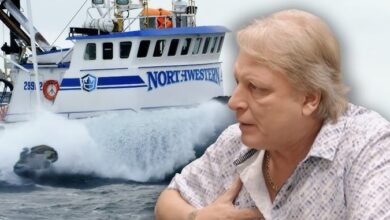
- On the Northwestern, Captain Sig Hansen once pulled a cameraman out of the path of a 900 lb crab pot swinging inches from his head.
- Another cameraman fell through an open hatch, broke three ribs, and later had to “pay” the crew with a case of beer—part of crab boat tradition.
On deck, no one is safe—not even the people filming the show.
The cameras have also captured painfully personal moments:
- On the Wizard, Captain Keith Colburn demanded cameras be turned off during a heated fight with his brother—but wireless mics recorded the audio anyway.
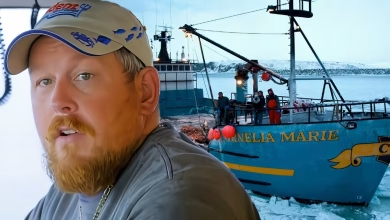
- Captain Phil Harris of the Cornelia Marie once asked crews to hide his injury so work wouldn’t stop.
- When Jake Anderson learned on camera that his sister had died, viewers watched raw grief unfold in real time.
The show constantly walks the line between storytelling and exploitation
—raising questions about privacy, consent, and respect at sea.
Legal Storms: Lawsuits Behind the Cameras
Behind the scenes, legal battles have added even more pressure.
In 2010, Discovery Communications filed a lawsuit against the Hillstrand brothers (Andy and Jonathan) and Sig Hansen, temporarily removing them from the show over alleged contract issues on the spin-off Hillstranded.
The dispute was eventually settled and the captains returned for season 7, but it exposed a fragile balance between:
- Entertainment
- Safety
- Contracts and control
Even off the water, Deadliest Catch is never truly calm.
The Tragedy That Changed Everything: Captain Phil Harris
The Bering Sea is unforgiving—but sometimes, the deadliest blows come from within.
On January 29, 2010, while filming season 6 aboard the Cornelia Marie,
Captain Phil Harris collapsed in his stateroom after suffering a massive stroke.
- Second-year engineer Steve Ward found him conscious but unable to move his left side.
- Paramedics were called, and Phil was airlifted to Anchorage for emergency brain surgery.
Incredibly, Phil told producers to keep the cameras rolling.
According to showrunner Tom Beers, Harris wanted his story told—to show the strength of family, his sons Josh and Jake, and the brutal reality of life at sea.
Phil spent 11 days in the ICU.
On February 9, 2010, he passed away from complications of the stroke.
The Deadliest Catch community was devastated.
The show honored him with a New Orleans–style jazz funeral in the spin-off After the Catch.
Phil’s death forced fans and producers to confront a painful question:
How far is too far when filming real danger and real suffering?
What Happened to Scott Campbell Jr.?
Among the captains whose lives were changed forever by the job is Scott Campbell Jr.
Aboard the Seabrooke, Campbell became a favorite on Deadliest Catch from seasons 7–11. Known for his work ethic and grit, he later returned briefly in seasons 16 and 17 on the Lady Alaska.
Then he was gone again.
A Career Stopped by Pain
During season 10 (2013), Campbell began experiencing severe back pain.
It worsened until crab fishing was no longer physically possible.
He underwent minimally invasive spinal surgery in November 2013 to relieve pressure on the nerves in his lower back. Without it, doctors warned he risked permanent nerve damage or a lifelong limp.
The surgery worked, but his life at sea had to end.
From Crab Pots to Coolers
In 2014, Campbell launched Cordova Coolers, a high-performance cooler company inspired by his frustration with cheap coolers that couldn’t keep his drinks cold on the water.
He ran the company until 2018, rebranding himself as an entrepreneur while stepping away from life on the Bering Sea.
Even off TV, fans remember him as:
- a hard worker,
- a natural leader,
- and someone who brought humor to even the darkest days on deck.
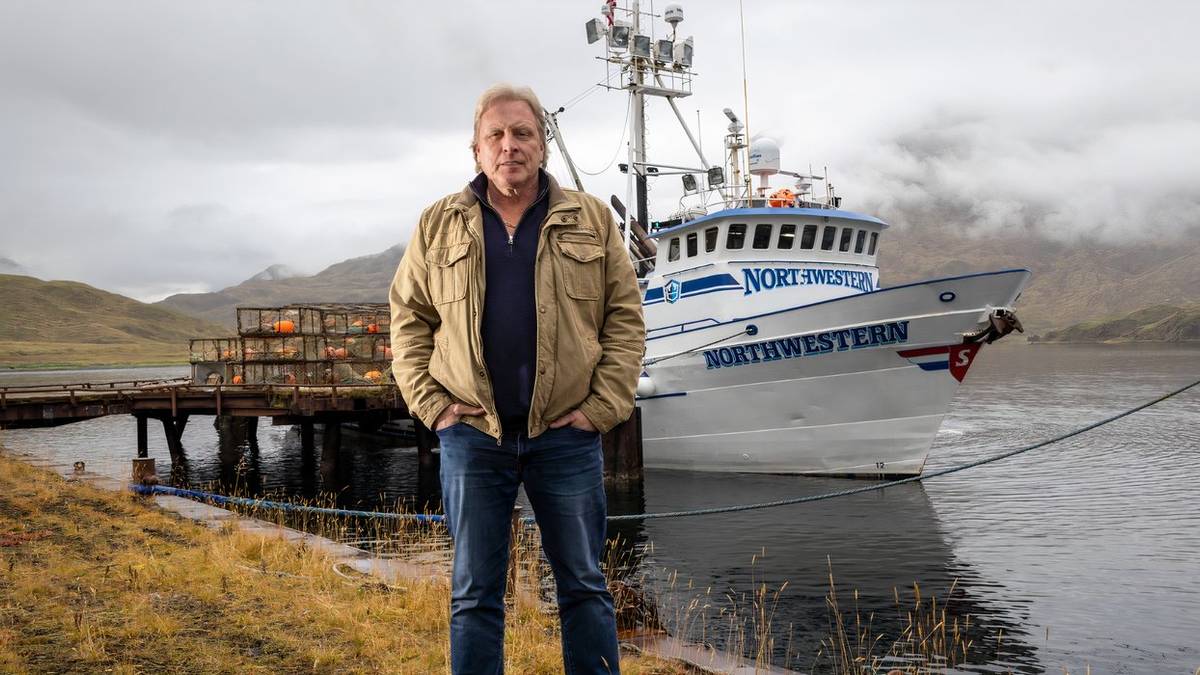
Sig Hansen: The Captain Who Won’t Quit
The season 21 finale delivered another scare:
Captain Sig Hansen collapsed from exhaustion and was rushed to the hospital.
Doctors urged him:
- Retire, or
- At least spend less time on the Bering Sea.
But Sig isn’t ready to quit.
“I don’t see that happening. Quite frankly, I don’t want to… I think I’ve got a few more years left in me.”
This isn’t his first close call:
- In 2016, he suffered a heart attack on board—the pain “like a knife behind his chest plate.”
- In 2018, he had another heart issue triggered by an allergic reaction to an antibiotic.
He knows the risks. He’s lost many friends to the sea.
Yet he still returns, driven by ego, duty, and a lifetime identity as a fisherman.
At the same time, Sig feels the pull of home:
“Look at all the years June’s given up waiting for me… It’s got to go the other way now.”
Torn between family and the sea, Sig stands at a crossroads—but for now, he continues to fish.