Deadliest Catch Scandal: The Rise, Fall, and Rebirth of the Cornelia Marie
“Up North, It’s a Gamble”
Up north in the Bering Sea, every trip is a gamble.
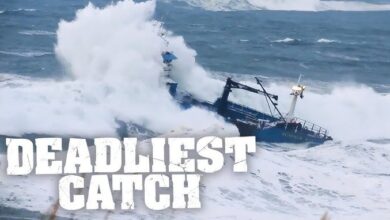
When a storm rolls in, there’s nowhere to hide and no one coming to save you.
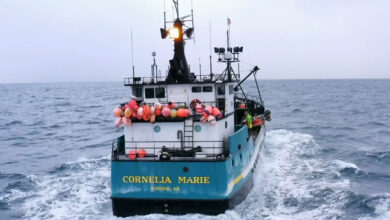
For over a decade, the Cornelia Marie was the beating heart of Deadliest Catch — first under Captain Phil Harris, then his sons Josh and Jake. Fans watched them battle ice, exhaustion, and towering waves, turning the boat into a symbol of family, grit, and raw survival.
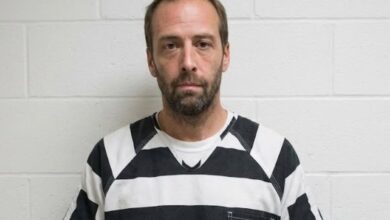
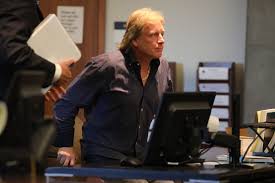
But in August 2022, everything changed. An old court document resurfaced, revealing a crime Josh had kept hidden for 24 years. Discovery cut ties, removed the Cornelia Marie from the show, and quietly pulled episodes from streaming platforms.
A legendary boat once defined by courage was suddenly overshadowed by scandal.
Where It All Began: Building a Legend in Alabama
The story of the Cornelia Marie started far from Alaska — in 1989, in the shipbuilding town of Bayou La Batre, Alabama.
For generations, that yard had launched shrimpers, trawlers, and crab boats into the Gulf and beyond. But this vessel was different. It was the final major commercial build overseen by master shipwright Elmo Horton, whose name still carries weight along the Gulf Coast.
- Length: 128 feet
- Beam: 28 feet
- Draft: just over 11 feet
- Hull: heavy steel, built to take a beating
Below deck, twin Cummins QSK19M diesels pumped out roughly 750 horsepower each, pushing the boat to around 14.5 knots — fast for a working crabber. With 28,500 gallons of diesel and 3,000 gallons of fresh water, the Cornelia Marie could stay at sea for weeks while other boats had to run back to port.
In the high-stakes world of Alaskan crabbing, that endurance meant everything.
At roughly $2.5 million to build, it was a massive investment. But it paid off. The boat quickly earned a reputation as fast, tough, and dependable — a true workhorse of the Bering Sea.
More Than a Name: The Woman Behind the Paint
The Cornelia Marie wasn’t named after a myth or a saint.
Owner Ralph Collins named the boat after his wife, Cornelia Marie Collins.
She wasn’t just a name on the paperwork. She handled the business side, kept the books straight, and helped keep the operation alive. Even after their marriage ended, the name stayed. By then, it had become part of the boat’s identity.
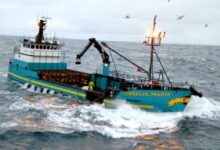
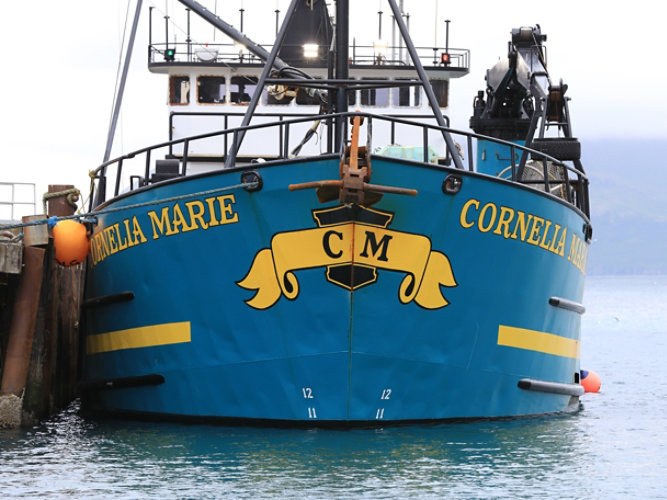
With her aquamarine hull, white house, and yellow trim, the Cornelia Marie stood out in any harbor — Kodiak, Dutch Harbor, or out on the gray, heaving Bering Sea. But beneath the bold colors was a vessel built for long, brutal seasons chasing king crab, opilio, salmon, and herring.
Earning Respect the Hard Way
Long before TV cameras ever showed up, the Cornelia Marie had already earned its stripes.
The early crews were a mix of seasoned hands and desperate greenhorns. Some were chasing big money. Others were running from the past. All of them faced the same brutal reality:
- Icy spray freezing on deck
- Waves smashing over the bow
- Wind that cut through every layer of clothing
- One wrong step and the sea took you
In 2005, during the deadly winter when the Big Valley sank, the Cornelia Marie joined the search for survivors. Only one man was found alive. That kind of tragedy stayed with everyone onboard.
The boat had proved itself long before it ever became “famous.”

Enter Captain Phil Harris: A Force of Nature
By the early ’90s, one man was becoming inseparable from the Cornelia Marie: Phil Harris.
He grew up in Bethel, Washington, fishing with his father from the age of eight. At 17, he dropped out of school when he heard a friend had made six figures in a single crab season and rolled home in a new car. Phil was driving a beat-up Chevelle. He wanted that kind of money — and that kind of freedom.
His first season nearly broke him. He quit.
Then his old captain mocked him for walking away. Phil came back.
At 19, he made $130,000 in one season. At 21, he was handed the wheel of his own boat, the Golden Viking. It came with breakdowns, debt, and pressure most men fold under. Phil didn’t.
By his mid-20s, he’d built a reputation: tough, fast-thinking, brutally honest, and fiercely loyal to his crew. He smoked too much, cursed constantly, and pushed people hard — but he split profits fairly and never asked anyone to do a job he wouldn’t do himself.
Eventually, he joined the Cornelia Marie and, by 1998, he was captain.
From Workboat to TV Icon: Deadliest Catch Begins
In 2005, everything changed again.
Out of more than 250 crab boats in the fishery, producers narrowed their list to 89 and then chose just a handful to become the core of a new show: Deadliest Catch.
The Cornelia Marie made the cut largely because of Phil.
At first, he wasn’t sure about cameras on deck. Safety, privacy, and the reality of the job didn’t exactly mix with television. But that same year, the fishery shifted to quota-based seasons, rewarding organized, efficient captains — and Phil was one of them.
Bringing his sons Josh and Jake aboard gave the show something it hadn’t had before: a gritty, complicated, real father–son dynamic.
Phil didn’t go easy on them. On camera, he pushed Jake to go to treatment, telling him, “At least you’ll have a fighting chance.” That raw honesty turned Phil from just another captain into the emotional core of the series.
His one-liners became legendary:
- “I feel like a one-legged man in an ass-kicking contest.”
- “Now you know why lions eat their young.”
Under his watch, the Cornelia Marie wasn’t just a boat. It was a floating brand — hats, hoodies, models, and posters. Fans felt like they knew her as well as the crew did.
The Stroke That Stopped the Fleet
On January 29, 2010, the unthinkable happened.
While offloading crab at St. Paul Island, Phil collapsed. He had suffered a massive stroke.
In one of the most harrowing moments ever filmed for reality TV, crew members called for help, EMTs rushed to stabilize him, and a medevac helicopter carried him away to Anchorage. His sons watched their father — their captain — disappear into the sky.
Against the odds, Phil rallied at first. He talked, squeezed hands, made jokes. Doctors were amazed at how quickly he responded. For a moment, it looked like he might beat this too.
Then a sudden brain bleed changed everything.
On February 9, 2010, at just 53 years old, Captain Phil Harris died.
His ashes were split — half placed inside a Harley-Davidson gas tank alongside his mother’s remains, half scattered at sea.
When the episode Redemption Day aired on July 20, 2010, 5.4 million people watched. Around the world, fans cried with the Harris family. Phil had become more than a TV character. He was the soul of Deadliest Catch.
Struggles After Phil: Ownership Battles and Broken Leadership
After Phil’s death, Josh and Jake wanted to keep the Cornelia Marie in the family. But they didn’t own all of her.
- They needed to buy out other shareholders
- The boat needed expensive repairs
- Banks didn’t want to back two young captains with little ownership
Tensions grew between the brothers and co-owner Cornelia Marie Devlin, the woman the boat was named for. Lawyers, negotiations, and clashing visions turned the boat’s future into a constant fight.
In Phil’s absence, his old friend Derrick Ray briefly took the wheel. His hardline style clashed badly with the grieving brothers, especially Jake. When Derrick called the police over Jake’s suspected drug use, the situation exploded — on deck and on screen.
Morale crashed, the catch suffered, and viewers saw just how fragile the legacy had become.
Josh and Casey: Rebuilding a Broken Legend
Eventually, Josh found a way forward.
He partnered with longtime friend and engineer Casey McManus. Together, they brought in investors and restructured the ownership:
- Josh: 45%
- Casey: 5%
- Two outside investors: 50%
They refitted the Cornelia Marie with:
- Two new 750-horsepower Cummins diesels
- Structural upgrades
- Modernized systems
By 2015, Josh and Casey were officially co-captains.
But running a crab boat is brutally expensive. Fuel, engine maintenance, insurance, and crew wages turned the Cornelia Marie into what Josh often called a “black hole for money.” After COVID, crew costs reportedly skyrocketed, and every season became a high-risk bet.
Bloodline and Burden: Chasing Phil in Hawaii
In 2020, the story shifted south with Deadliest Catch: Bloodline.
Josh discovered 50–60 old maps in Phil’s former stateroom, including several marked with fishing notes for Hawaii. With Casey and local fisherman Jeff Silva, he followed those clues into the Pacific, chasing big ahi tuna and a deeper understanding of his father’s past.
On screen, it was a new frontier. Off screen, the weight of the Harris legacy was heavier than ever.
Jake Harris: Addiction, Arrests, and Collapse
While Josh tried to steer the brand forward, Jake spiraled.
His struggles began on camera when Phil confronted him over painkillers. After Phil’s death, the addiction deepened:
- Arrests for DUI
- Drug possession
- Car theft
- A heroin-related prison sentence in 2019
- Another high-speed chase and jail time in 2024
For fans, it was heartbreaking to watch. For the family, it was another layer of grief.
The Hidden Crime: Court Documents and Public Outrage
Then came the revelation that changed everything.
In August 2022, old court documents surfaced online, revealing that in 1999 Josh Harris had pleaded guilty, as a juvenile, to a sexual offense involving a minor — a four-year-old girl who was the child of a family friend. According to those records:
- The incident happened in 1998, when Josh was 15
- He later pleaded guilty to a reduced charge
- He reportedly served about 9 months in juvenile detention and completed counseling
For over two decades, this remained buried in court files.
When the story resurfaced, Discovery moved fast:
- Josh was cut from Deadliest Catch and Bloodline
- Related episodes were removed from major platforms
- Promotional material featuring him was quietly scrubbed
Fans were divided — some supported the decision, others mourned the loss of the Cornelia Marie from the show. Many were shocked that such a serious crime had never been publicly addressed before.
Collateral Damage: Casey McManus and the End of an Era
Though there is no indication that co-captain Casey McManus had any involvement in or knowledge of Josh’s past crime, he was swept up in the fallout.
When Discovery severed ties with Josh, Casey’s contract also ended. Viewers called it unfair, but from the network’s perspective, they wanted a clean break from anything tied to Josh Harris.
For many fans, it felt like watching the last piece of Phil’s legacy disappear from the screen.
A New Ownership, A New Captain, A Clean Slate
In June 2024, a new chapter officially began.
Businessman Taylor Jensen announced that he and his partners — Roger Thomas, Carrie Toya, and Jake Albanino — had purchased the Cornelia Marie.
- Josh Harris is no longer involved
- The boat has new ownership and leadership
- Captain Jake Albanino is set to take the helm
Their stated goal is simple:
Restore the Cornelia Marie to what she was before the fame and scandal — a hard-working crab boat built on loyalty, seamanship, and respect for the ocean.
For the first time since Phil Harris’s death, the Cornelia Marie sails free of the Harris family name and its baggage.
Legacy and Questions: What Comes Next for the Cornelia Marie?
The Cornelia Marie has lived through:
- Shipyard sparks in Alabama
- Monster storms in the Bering Sea
- TV fame
- Family tragedy
- Addiction, loss, and a hidden crime
- A complete reset under new owners
What began as a tribute to a shipbuilder’s wife became one of the most famous boats on television — and one of the most controversial.
Now, with the Harris era finally over, the Cornelia Marie has a chance to write a new story.
Will audiences embrace a version of the boat without Phil or his sons?
Will the vessel return to TV, or quietly continue as just another hardworking crab boat in the fleet?
For now, one thing is certain:
The steel hull may be the same, but the story aboard the Cornelia Marie has changed forever.