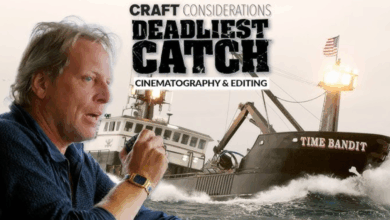
The Price of Danger: What Deadliest Catch Captains Are Really Paid to Risk Their Lives

Cashing in on Crab: How Much Do Deadliest Catch Stars Really Earn?
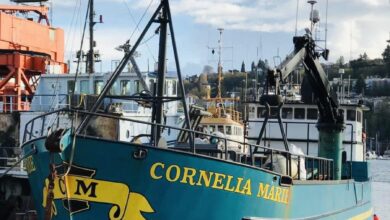
The Bering Sea’s crab fishing industry, immortalized by Discovery Channel’s Deadliest Catch, is not for the faint of heart. With towering waves, subzero temperatures, and the ever-present threat of capsizing, it’s no wonder crab fishing holds the grim title of America’s deadliest job, with a fatality rate surpassing loggers and pilots. Yet, for those who brave the icy perils aboard vessels like the Northwestern or Cornelia Marie, the rewards can be as tantalizing as they are unpredictable. Over the show’s 20-season run, Deadliest Catch stars—captains and deckhands alike—have pulled back the curtain on their earnings, revealing a pay structure tied to the whims of the sea, the size of the catch, and their own grit. From million-dollar hauls to modest deckhand paychecks, supplemented by TV appearance fees, the financial picture is as volatile as the storms they navigate. But with seasons canceled and health risks mounting, is the payday worth the peril?
At the heart of crabbers’ earnings is a system far removed from salaried stability. As deckhand-turned-captain Kenny Ripka explained in a 2016 People interview, “It varies year to year. We don’t get paid a wage or a salary. We get paid on what we catch and what we deliver.” This performance-based model means income hinges on the boat’s haul, the market price for King and Opilio crab, and the crew’s share after expenses like fuel, bait, and repairs. For captains, a bountiful season can yield jaw-dropping sums. Ripka, who skippered the F/V Patricia Lee, shared that in peak years, he pocketed “upwards of $150,000 to $170,000” annually, a figure that reflects the high-stakes gamble of leading a vessel through the Bering’s wrath. Josh Harris, co-captain of the Cornelia Marie, raised the stakes higher in a 2018 Fox Business interview, noting that a stellar two-day catch could net a captain $2 million if crab quotas and prices align perfectly—an outlier, but a tantalizing possibility when pots overflow.

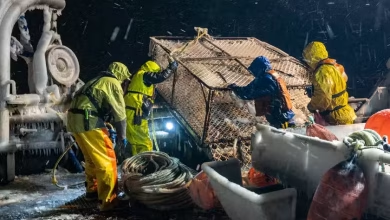
Deckhands, the unsung workhorses of the fleet, face a leaner but still lucrative slice of the pie for their backbreaking labor. Ripka revealed that deckhands typically earn between $15,000 and $50,000 for a couple of months’ work—grueling weeks of 20-hour shifts hauling 800-pound crab pots in freezing spray. His brother, Gary Ripka, added specificity, stating in 2016 that his deckhands cleared $30,000 for five to six weeks of fishing, a tidy sum for a job requiring no formal education but unrelenting stamina. Jake Anderson, now captain of the F/V Saga, offered a glimpse of the high end in the same Fox Business piece, boasting a staggering $2.5 million gross in just 11 days during an exceptional season. Such windfalls, though, are rare, reserved for years when crab stocks are plentiful and market demand spikes. Most seasons, deckhands and even captains face far humbler takes, especially after splitting profits among crew and covering operational costs, which can devour up to 40% of gross revenue.
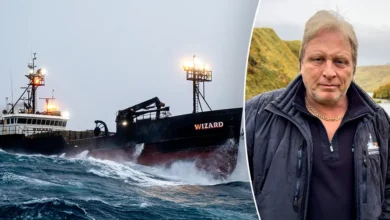
Beyond the crab pots, Deadliest Catch stars cash in on their on-screen fame, a financial lifeline that cushions the industry’s unpredictability. According to Monsters & Critics, captains command between $25,000 and $50,000 per episode, a hefty bonus for veterans like Sig Hansen of the Northwestern or Keith Colburn of the Wizard, who appear across 10-15 episodes per season. With Deadliest Catch averaging 1.5 million viewers per episode in 2025, per Nielsen ratings, these fees reflect the show’s enduring draw and the captains’ larger-than-life personas. Deckhands, while less prominently featured, also earn appearance stipends, though figures are less publicized—estimates suggest $5,000 to $15,000 per season for regular crew, per industry blogs. These TV payouts provide a safety net, especially in lean years, but they come with the trade-off of cameras capturing every curse, collapse, and close call, amplifying personal dramas for public consumption.
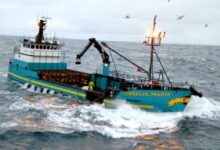
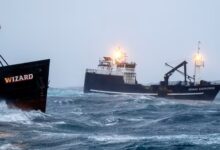


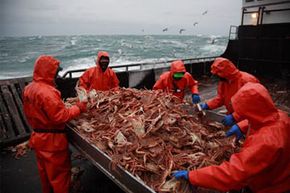
The allure of big bucks is tempered by the industry’s brutal realities. Crab fishing’s dangers are legion: deckhands risk crushed limbs from swinging pots, hypothermia from rogue waves, and even death—one Coast Guard report cites a 0.2% annual fatality rate, 100 times higher than the average U.S. job. Deadliest Catch has documented its share of tragedies, from the 2010 sinking of the F/V Katmai to medical emergencies like Colburn’s cancer scare in Season 9 or deckhand Mahlon Reyes’ fatal heart attack in 2020. Injuries are routine—think broken ribs, frostbite, or concussions from rogue gear. Jake Anderson, reflecting on X in 2024, described a near-miss when a pot line snapped, nearly decapitating a greenhorn: “One second, you’re counting cash; the next, you’re praying to breathe.”
Economic volatility adds another layer of risk. Sig Hansen, the Northwestern’s grizzled captain, told Channel Guide in 2023, “We’ve had king crab season shut down for three, sometimes four years in a row. When your income relies on getting that boat out there, there’s no retirement plan.” Regulatory closures, driven by declining crab stocks due to overfishing or warming waters, can wipe out entire seasons. The 2022-2023 king crab closure, for instance, cost Alaskan fleets an estimated $200 million, per NOAA Fisheries, forcing boats like the Wizard to pivot to less lucrative species or idle in port. Market fluctuations—crab prices swung from $5.30 per pound in 2019 to $8.10 in 2025, per industry reports—further muddy the math, while fuel costs, averaging $50,000 per trip, erode margins. For greenhorns, who often split just 5-10% of the boat’s net, a bad season might yield under $10,000 for months of misery.

The Deadliest Catch spotlight also brings indirect earnings. Captains like Hansen and Harris leverage fame for side hustles: Hansen’s branded coffee line and Harris’s real estate ventures in Seattle supplement their hauls. Kaleb Cooper, a Clarkson’s Farm star but a parallel TV phenomenon, offers a glimpse of crossover potential—his 2025 tour grossed over £2 million, per The Sun, a model crabbers could emulate. Yet, most crew remain tethered to the sea’s boom-or-bust cycle, with no 401(k) or union benefits. Social media buzz on X reflects the divide: fans marvel at million-dollar hauls, while others decry the “blood money” earned through near-death shifts, citing clips of deckhands collapsing mid-haul.
For the stars of Deadliest Catch, the financial equation is a high-wire act: captains can bank hundreds of thousands in a good season, with TV fees pushing some toward seven figures, while deckhands scrape by on five-figure bursts for soul-crushing work. But the specter of injury, seasonal shutdowns, and the sea’s unpredictability looms large. As Anderson put it, “You’re either a king or a pauper out here.” In 2025, with crab stocks rebounding but climate threats growing, the Deadliest Catch fleet sails on, chasing pots and paydays where every haul is a roll of the dice—and survival is the ultimate prize.