Oak Island’s Enduring Enigma: New Clues, Bold Claims, and a Mystery That Won’t Quit
A 228-Year Puzzle That Refuses to Be Solved
Oak Island, a small spit of land off Nova Scotia, has inspired two centuries of treasure hunts, theories, bankruptcies and heartbreak. Since 1795—when a teenager named Daniel McGinnis reportedly found a depression beneath an old oak and a sequence of buried timbers—generations have dug, drained and drilled in pursuit of a supposed cache of unimaginable value. Each campaign uncovers fragments: wooden platforms, hand-hewn tunnels, odd artifacts, sometimes coins. Yet the island’s core riddle remains intact.
The Money Pit and the Flood Traps
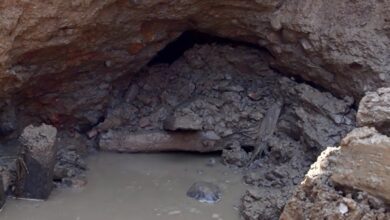
Early expeditions gave Oak Island its defining legend: the “Money Pit,” a shaft that, once breached, inexorably filled with seawater as if protected by engineered flood tunnels. Pumps failed, cofferdams collapsed, and promising digs became mud-choked stalemates. Whether by design or geology, water is the island’s most ruthless gatekeeper—one reason credible proof of a single, consolidated treasure hoard has remained elusive.
A Curse—and a Toll
Alongside the engineering lore rose a darker refrain: the so-called “curse of Oak Island,” a folk belief that seven must die before the treasure is revealed. Six fatalities across the island’s long history have kept that legend alive, however apocryphal. Separating cautionary myth from verifiable fact has always been part of the Oak Island challenge.
Enter the Modern Era: The Lagina Brothers
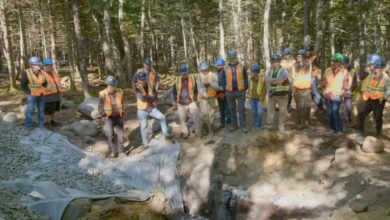
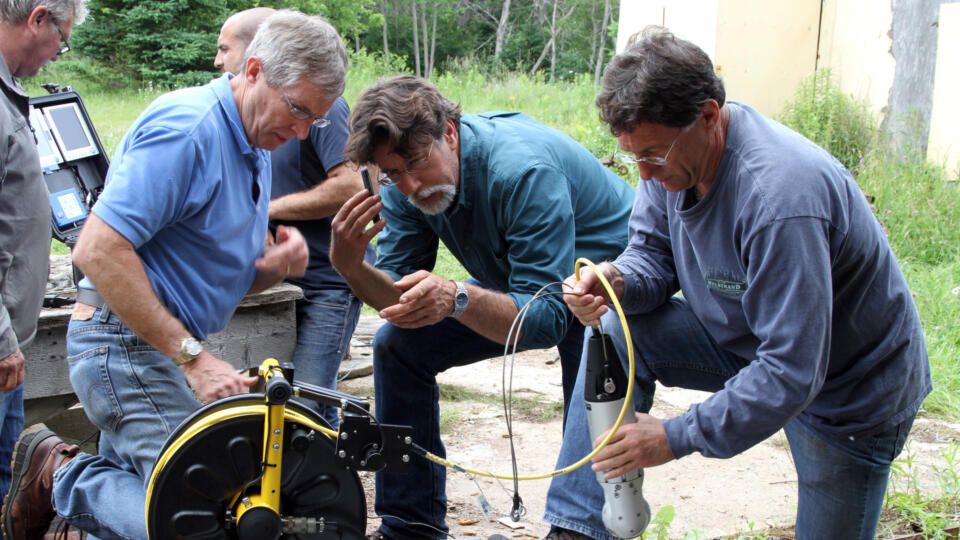
The History Channel series The Curse of Oak Island propelled the mystery into the mainstream, following brothers Rick and Marty Lagina as they fused heavy machinery with ground-penetrating radar, high-resolution drilling and underwater cameras. Their approach reframed the hunt from romantic adventure to data-driven investigation, assembling a cross-disciplinary team of drillers, divers, engineers, archaeologists and historians.
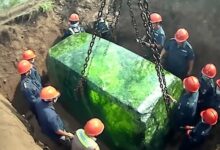


Garden Shaft and Money Pit
Recent seasons pushed deepest around two focal points: the Garden Shaft—where wood fragments and peculiar anomalies surfaced—and the broader Money Pit area, long the spiritual heart of the story. With new surveys suggesting voids and linear features at depth, the team concentrated resources on penetrating suspected chambers while mitigating the island’s chronic flooding. As always, time, weather and water pressure set the clock.
Symbols, Metal, and a Glint Below
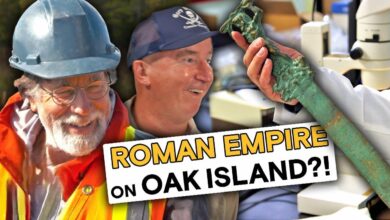
One reported find electrified the dig: an ancient metal object bearing a mysterious symbol, prompting bursts of speculation ranging from Templar iconography to other Old World motifs. In parallel, camera drops in inundated passages captured a glinting object underwater—perhaps mineral, perhaps metallic. To some, these images hinted at curated deposits; to others, they were natural reflections misread through the fog of expectation. The footage intensified interest but stopped short of definitive proof.
Claims of a Secret Chamber
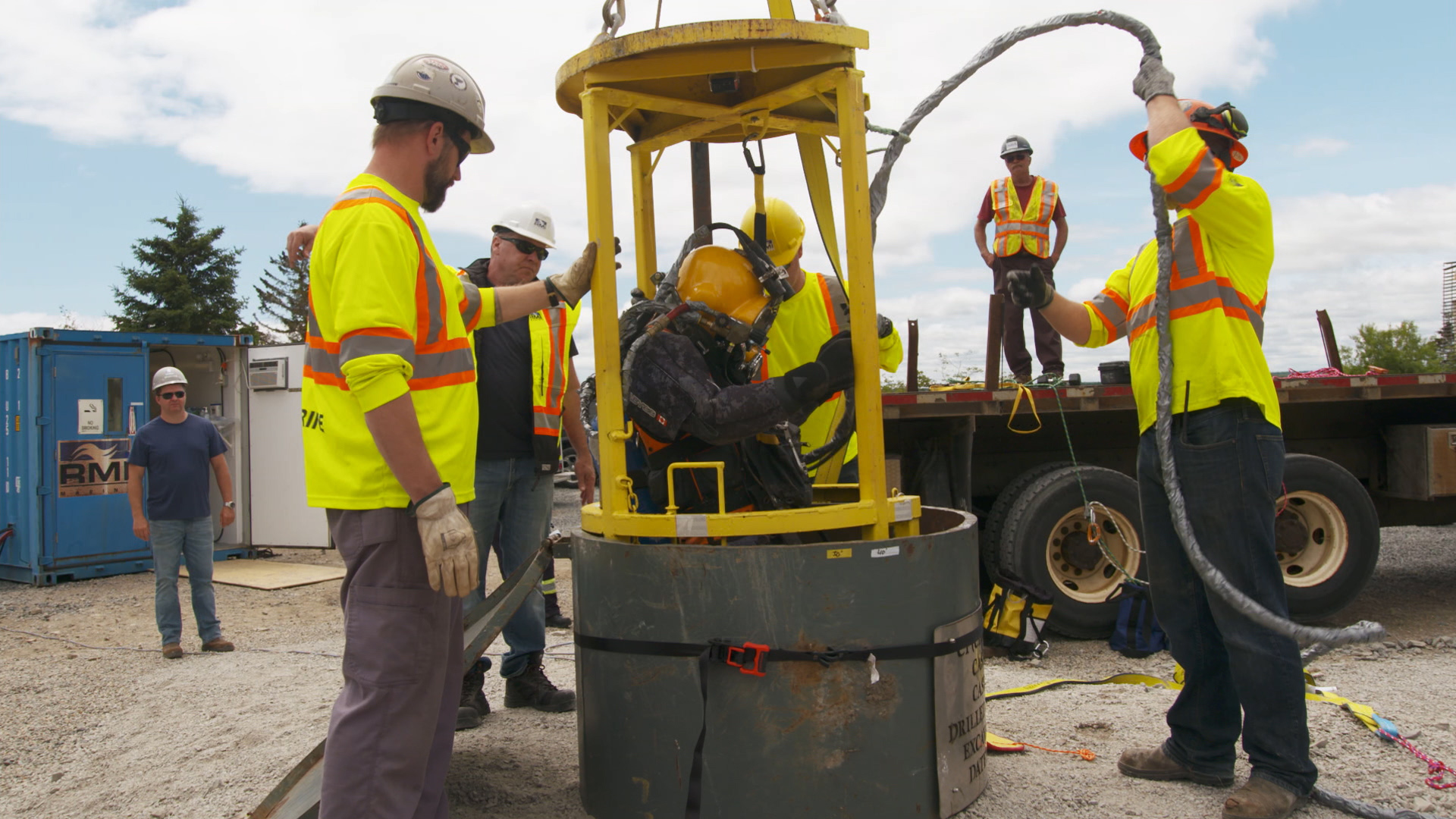
As soil slumps and equipment failures complicated work between the Garden Shaft and Money Pit, the team pursued what they described as a “secret chamber.” The working theory: if a central vault exists, it likely sits atop bedrock behind water-management obstacles—explaining two centuries of hydraulic frustrations. The idea is consistent with parts of the island’s folklore and with prior detections of engineered structures, but confirmation requires access the island still resists.
Social Media’s Powder Keg
The most recent wave of chatter unfolded in real time online: hashtags trended, Reddit threads multiplied, theory videos amassed millions of views, and memes thrived. For many, Oak Island is no longer only a dig site—it’s a participatory mystery. Crowd speculation can surface overlooked analogies and documents; it can also amplify unverified claims. Sorting signal from noise has become as important as sorting muck from timbers.
Templars, Vikings, Egyptians—Or Something Else?
The island’s cosmopolitan theory map is part of its allure. A Templar repository? A pirate hoard? A Viking cache? An Old World waystation? Each hypothesis recruits selective artifacts and symbols—carved stones, cross shapes, dated wood—to advance its case. The more cautious reading: the island likely hosted multiple episodes of activity across centuries, leaving a palimpsest of structures and deposits. That layered past could explain why every “smoking gun” to date has led to another chamber, another anomaly, another “almost.”
What Would Constitute Proof
In an age of high-definition television, “glitter on camera” isn’t enough. Conclusive proof would include: controlled excavation records; chain-of-custody for artifacts; independent lab analyses for materials and dates; geotechnical reports verifying man-made voids; and peer-reviewed publication. Anything short risks living in the gray zone between dramatic television and documented discovery.
Risk, Cost, and Resolve
The physical grind remains relentless. Power losses, saturated sands, collapsing walls, stressed gear—Oak Island extracts its price in diesel, dollars and nerve. Crews work in rotations around the clock when windows open. The win is measured not just in finds, but in safe days logged and data captured before the next setback.
If a Vault Opens
Should a well-preserved chamber be reached and verified, the story would pivot from speculation to stewardship. Provenanced artifacts, documents, coins or reliquaries could rewrite chapters of Atlantic history—or simply confirm a more local, more human tale of commerce, piracy, or settler ingenuity. Either outcome would be valuable. The romance of a singular, world-altering cache persists, but the discipline of archaeology would demand measured handling and transparent disclosure.
Why the Mystery Endures
Oak Island thrives at the intersection of engineering puzzle, historical detective work and modern mythmaking. It is a mirror: for treasure hunters, a test of will; for scientists, a case study in hydrology and forensic excavation; for audiences, a serialized parable about persistence and belief. Each season promises closure; each ends with a new corridor to probe.
The Road Ahead
For Rick and Marty Lagina and their wider team, the mandate is unchanged: push methodically, document thoroughly, and separate showmanship from scholarship where it matters. For the public, the healthiest posture is curiosity tethered to evidence. Until verified artifacts and texts step into daylight under rigorous scrutiny, Oak Island remains what it has long been—a compelling, confounding riddle daring the world to try again tomorrow.