Rick Ness Strikes Bedrock at Rally Valley: A Gamble That Could Define His Season
The Quest for 1,500 Ounces
Rick Ness entered the new season of Gold Rush with one of the boldest targets of his career: 1,500 ounces of gold. To put that figure in perspective, it amounts to more than 90 pounds of pure gold, worth millions of dollars. For Ness and his crew, every scoop of dirt from the frozen Alaskan ground was a wager in a high-stakes gamble.
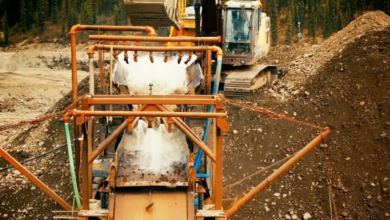
Central to this ambitious plan was Monster Red, a colossal wash plant built to process hundreds of tons of earth per hour. Rally Valley, the patch of ground Ness had pinned his hopes on, carried a reputation for hiding some of the richest deposits in the Yukon. If the claim delivered, the reward would be monumental. If not, it could mean financial ruin.

A Swamp Beneath the Surface
At first, progress seemed promising. Excavator operator Bailey Carton carefully carved into the pay dirt, the gravel layer where gold particles are most likely to be found. Yet the deeper they dug, the more treacherous the conditions became.



Only a few feet below the surface, icy groundwater began to seep in. Soon the pit was filling like a bathtub, threatening to drown the pay dirt in thick slurry that Monster Red could not handle. What began as a promising cut quickly turned into a muddy race against time.
The Sound That Changed Everything
Then came the moment that shifted the entire mood on site. As Bailey’s bucket scraped across the bottom of the pit, the sound changed. The soft grind of gravel gave way to the harsh rasp of metal against stone.
They had reached bedrock — the miner’s holy grail. Over millennia, gold has been carried by rivers and glaciers, sinking until it hits an impenetrable layer of solid rock. The richest concentrations of nuggets and flakes often sit directly on top of this layer, trapped in cracks and fissures.
For Ness and his crew, the discovery meant they were standing on the doorstep of a potential mother lode. But the breakthrough came with a catch. Bedrock also meant the groundwater would rise faster, threatening to flood the cut entirely. Their window of opportunity had just narrowed.

Rivers of Gold
Despite the water threat, the crew pressed on. Truckload after truckload of pay dirt was fed into Monster Red. Hours of frantic digging led to the long-awaited cleanup — the point where hopes are tested against reality.
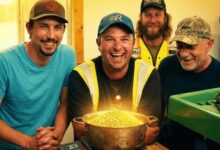
In the gold room, recovery specialist Heather Folster began panning the concentrates. What started as a shimmer of yellow soon became a cascade. Then came the shock: not just flakes, but nuggets — some as large as a thumbnail.
When the gold was dried and weighed, the digital scale flickered before settling on an astonishing figure: 315.71 ounces. In one cleanup alone, Ness’s team had secured more than three-quarters of a million dollars’ worth of gold. For Rick, it was the richest haul of his Rally Valley campaign and one of the biggest in his career.
The Price of Victory
The sight of gold glittering in the pan was a moment of triumph, but behind the celebration lay a harsher reality. Mining on this scale is punishingly expensive. Monster Red alone consumes hundreds of gallons of diesel every hour, burning through as much as $10,000 a day in fuel. Add in payroll for a crew living in the remote wilderness, plus maintenance on multimillion-dollar machinery, and much of the gold is spoken for before it is even tallied.
For Ness, this cleanup was not merely profit — it was survival. The money would cover crushing overheads, fuel debts, and wages. Every ounce mattered, because one bad decision or major breakdown could erase weeks of progress.
A Leader Under Pressure
Beyond the financial stakes lies the human cost. As mine boss, Ness carries responsibility for his crew’s safety, paychecks, and morale. The sleepless nights and relentless stress rarely make it to television screens, but they define the reality of modern mining.
A cleanup of 315 ounces offered relief, but only temporarily. The next morning, the crew would be back in the cut, facing the same rising water, the same mechanical risks, and the same uncertain odds.
The Myth of Overnight Riches
For viewers, the moment may look like a jackpot — $750,000 in a single cleanup. But veterans know better. Such victories are not a stroke of luck; they are the product of years of experience, geological insight, and relentless work.
Ness himself has endured seasons of meager returns, mistakes under former boss Parker Schnabel, and financial gambles that nearly broke him. The Rally Valley haul was not a lottery win, but the result of persistence, risk-taking, and lessons learned the hard way.
Still, whispers persist among fans and old-timers that Ness may have stumbled onto something bigger: a legendary mother lode, the mythical concentrated source of gold that has fed Yukon creeks for centuries. Whether such tales are folklore or fact, they add a layer of intrigue to Ness’s Rally Valley campaign.
A Fortune Within Reach
With the first major cleanup yielding more than 300 ounces, Ness’s audacious target of 1,500 ounces suddenly looks within reach. Yet the path forward remains perilous. Water continues to rise, machinery continues to strain, and every day brings new risks.
For now, Ness has delivered one of the richest hauls of his career. Whether it is a turning point toward long-term stability or just another chapter in the rollercoaster life of a Yukon miner remains to be seen.
Conclusion: Earned, Not Found
Rick Ness’s Rally Valley breakthrough is a reminder of the brutal realities behind the glitter. Striking gold is never easy, never overnight, and never without sacrifice. The 315 ounces pulled from bedrock represent not just wealth, but the culmination of risk, grit, and unshakable belief.
As Ness pushes toward his 1,500-ounce goal, one truth endures: in gold mining, fortune favors not just the brave, but the relentless.