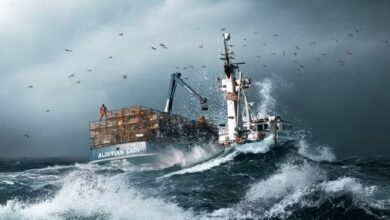
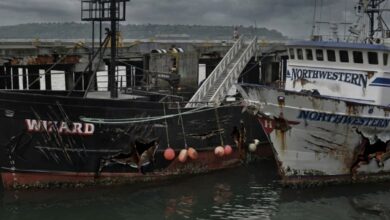
After more than two decades of high-stakes fishing, raging storms, and unforgettable near-death moments, Deadliest Catch is facing an uncertain future — and longtime fans are starting to worry that the end may be near.
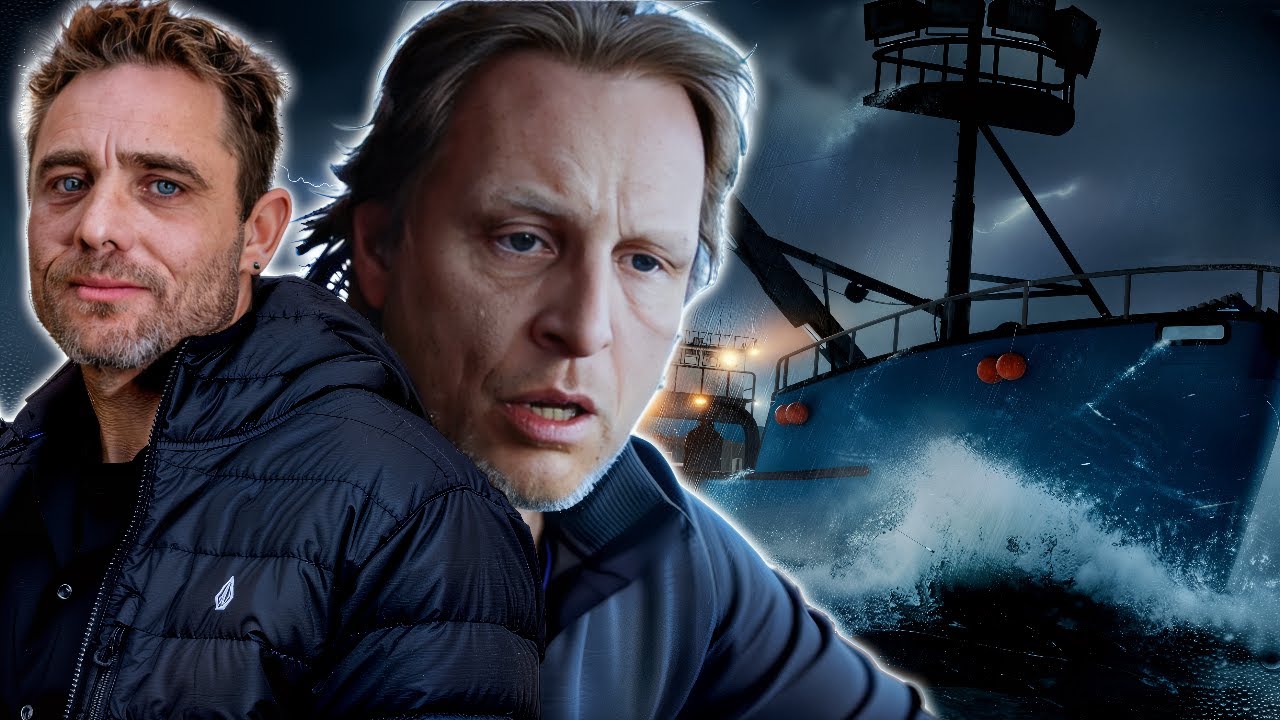
Since its debut in 2005, Deadliest Catch has captivated audiences with its raw, gritty portrayal of Alaskan crab fishermen risking life and limb in the treacherous waters of the Bering Sea. But as Season 21 continues to air, fans are raising eyebrows over a major change: a shift in the show’s airtime that has sparked widespread speculation.
In June 2025, Discovery officially confirmed that Deadliest Catch would return for its 21st season — seemingly great news. However, the announcement came with a twist: the show was moved from its long-standing Tuesday night primetime slot to Friday nights at 8:00 p.m. ET.
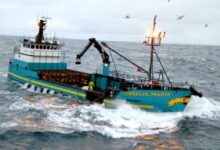
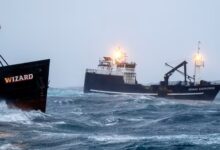


To casual viewers, that may seem like a minor adjustment. But to TV insiders and loyal fans, the Friday “graveyard slot” is often seen as the beginning of the end. One Reddit user bluntly wrote, “Graveyard slot, where shows go to die. If it slips, they’ll have an excuse not to continue.” Others echoed the sentiment, speculating that Discovery might be quietly phasing out the legendary series without a formal cancellation.

So, Is Deadliest Catch Cancelled?
Not officially — at least, not yet. New episodes of Deadliest Catch are still airing every Friday on Discovery and are available for streaming the following day on HBO Max. But the anxiety isn’t unwarranted. The series has weathered its fair share of cancellation rumors in the past, and now, external challenges may be adding fuel to the fire.
The biggest threat? The crabs themselves.

In October 2022, the Alaska Board of Fisheries made a shocking announcement: the snow crab season was cancelled due to a massive population crash in the Bering Sea. Billions of snow crabs had vanished, with scientists pointing to climate change and overfishing as the primary culprits. Rising sea temperatures and melting ice have created an environment unsuitable for snow crabs, which struggle to survive in waters above 2°C.
Adapting to Survive
Despite the environmental and scheduling challenges, Deadliest Catch is not going down without a fight. Executive producer Aram Starpaul has reassured fans that the show is evolving with the times. In Season 21, crews are pivoting toward more sustainable fisheries, targeting golden king crab, beardy, and cod to keep the industry — and the drama — alive.

So while the landscape may be changing both on and off the screen, Deadliest Catch is doing what it has always done best: adapting, surviving, and pushing forward against the odds.
The Bottom Line
Is this the end for Deadliest Catch? Not yet. But the iconic series is definitely navigating some of the roughest waters in its history. Between changing airtimes, declining crab populations, and shifting environmental realities, the future of the show remains uncertain.
One thing’s for sure — Friday nights just got a whole lot more intense. Stay tuned, because this storm is far from over.