What Happens to the Old Vessels of Deadliest Catch? The Untold Afterlife of Legendary Ships
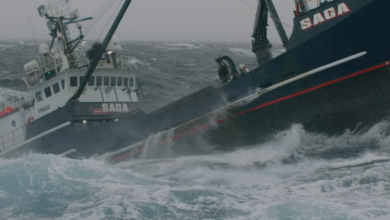
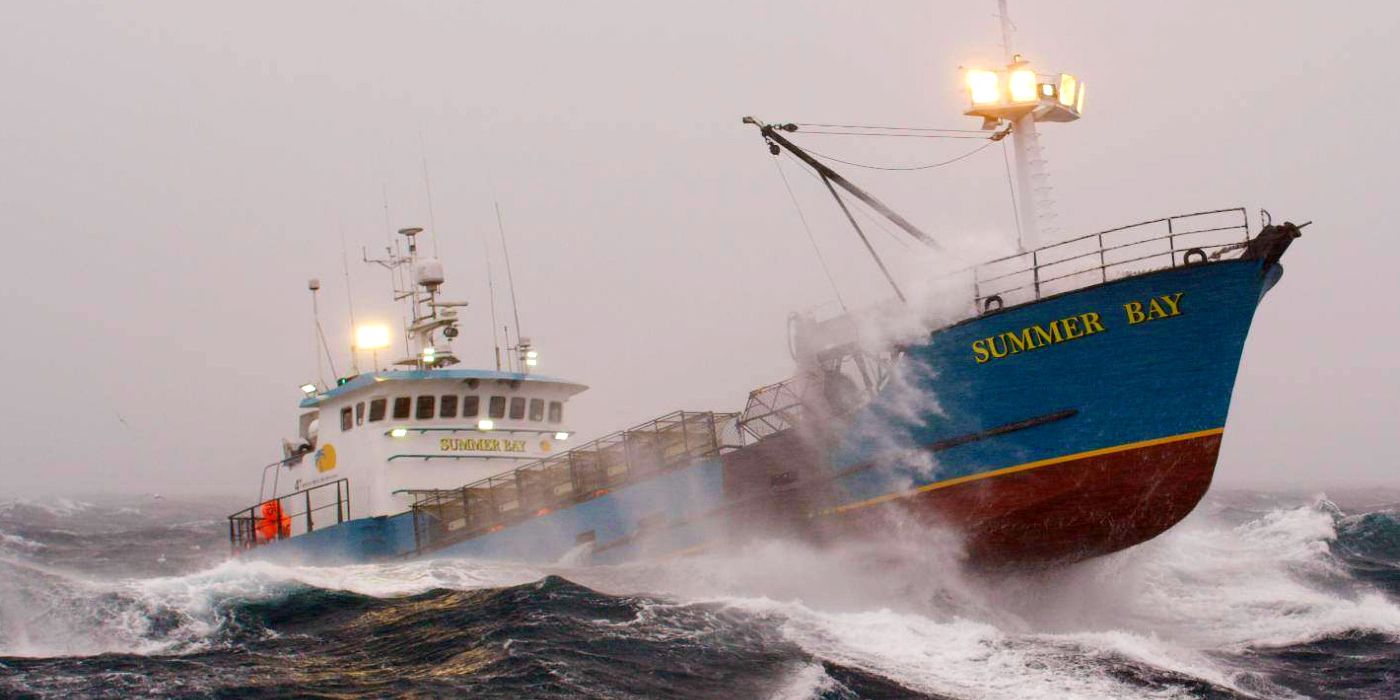
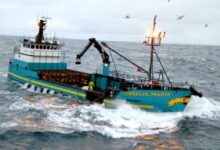
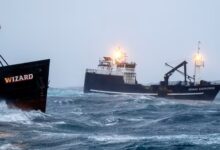
As Deadliest Catch continues to captivate global audiences with its raw, high-stakes portrayal of Alaska’s crab fishing industry, the spotlight isn’t only on the brave crews — it’s also on the vessels that have weathered icy storms and harrowing seas. Now entering its 20th season on Discovery Channel, the show leaves fans curious: What becomes of these iconic ships once their time on the sea ends?
More Than Just Retirement: A Complex Farewell
For vessels that have starred in Deadliest Catch, retirement is rarely simple. Their stories extend far beyond the final episode. Unlike ordinary boats, these ships often undergo a thoughtful and environmentally guided transition once they complete their service.
The most common outcome? Scrapping — a systematic and sustainable process for dismantling decommissioned ships.
Step One: Safe Decontamination
Before scrapping begins, the vessel is thoroughly cleared of all hazardous substances, including oils, fuels, and asbestos. These materials, if mishandled, pose serious health and environmental risks. It’s a meticulous process, carried out by professionals to ensure nothing harmful remains onboard.


Breaking Down and Recycling the Giants
Once safely decontaminated, the vessel is carefully dismantled. Its materials are sorted into recyclable and non-recyclable categories — with the majority of metals like steel and aluminum being salvaged.
These materials are shipped to specialized shipbreaking yards in Bangladesh, India, China, Pakistan, and Turkey. There, they’re repurposed into new products: home appliances, construction materials, and sometimes even new ships. It’s a powerful way to reduce waste and breathe new life into the very steel that once braved the Bering Sea.
Sinking With Purpose: Artificial Reefs
Not all ships are scrapped. Some take on a new role as artificial reefs. Once stripped of pollutants, a vessel can be deliberately sunk in a controlled location — often called a “ship graveyard.” Over time, these submerged giants become vital marine habitats, attracting coral, fish, and other organisms, creating underwater ecosystems that support biodiversity and even ecotourism.
This method isn’t just beautiful — it’s eco-conscious. It helps alleviate pressure on natural reefs and fosters sustainable marine environments.
The Dark Side: Abandonment and Decay
However, not every vessel gets a noble send-off. In some cases, particularly across parts of Asia, decommissioned ships are abandoned along coastlines. Though these decaying hulls may attract curious tourists, they can become hazards to local ecosystems, especially if left unmanaged.
That said, high-profile ships from Deadliest Catch rarely suffer this fate, but it serves as a reminder of the industry’s environmental responsibilities.
Auction Blocks and Second Chances
Some ships escape the scrapyard entirely. F/V North American, a familiar name to long-time fans, was put up for auction, with bidding starting at $100,000. Rather than being dismantled, these ships may continue to serve in other commercial roles, or even be preserved as historical collectibles by private owners or museums.
These sales reflect the lingering value and fascination these vessels hold, even long after the cameras stop rolling.
A Legacy Beyond the Horizon
From scrapping and recycling to reef-building and resale, the post-show life of a Deadliest Catch ship is never just an ending — it’s a transformation. Each vessel tells a story not just of the brutal fishing seasons, but also of resilience, resourcefulness, and the broader maritime lifecycle.
For fans, understanding where these ships go after the show adds a profound new layer to the Deadliest Catch legacy — reminding us that even legends of the sea eventually rest, repurpose, or rise again in a different form.