Fred Lewis’s Struggling Operation in Oregon
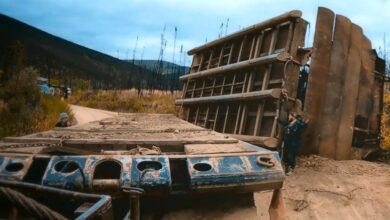
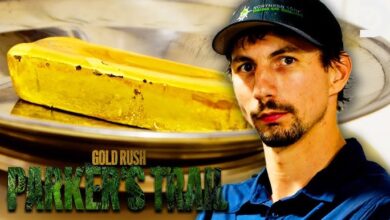
In Oregon’s Elkhorn Mountains, Fred Lewis and his crew of combat veterans face a worsening gold mining season. With just 1.25 ounces of gold mined so far, and more than half the season gone, the operation is on the brink. The recently opened Liberation Cut, which Fred hoped would turn things around, has yielded only 0.6 ounces of gold.
Breakdowns have plagued the site, with the team rarely able to keep the plant running for more than two hours at a time. Morale is low, and mounting operational costs have forced Fred to rely on support from Marine veteran Carl Smith, who agreed to cover running costs in exchange for a share of the gold. With resources dwindling, Fred has only one or two weeks left unless something changes drastically.
Expert Help Arrives: Freddy Dodge and Juan Ibarra Step In
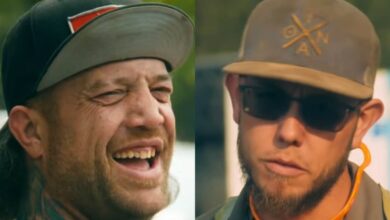
To salvage the operation, Fred called in reinforcements: gold recovery expert Freddy Dodge and master mechanic Juan Ibarra. They quickly assessed that the main issue was the plant’s water supply. Without clean, reliable water, the wash plant was operating inefficiently, resulting in significant gold losses.


Freddy and Juan discovered the crew was running silty water through the wash plant, which severely affected fine gold recovery. Silt was flowing from the sluices into a feeder pond and recirculating back into the plant, clogging riffles and pushing gold out of the system.
Building a Silt Dam for Cleaner Water
Freddy’s immediate plan was to construct a silt dam to separate out sediment and improve water clarity. A log dam, reinforced with tarps and strategically placed across the upper pond, would allow silt to settle before reaching the pump intake. This simple solution quadrupled the crew’s water runtime and significantly reduced the amount of fine gold lost due to silty water.
Reassessing the Pay Dirt
With the water issue temporarily resolved, attention shifted to the pay dirt. The material being processed was found to be heavily diluted with rocks and topsoil, raising concerns about its gold content. Freddy noted that the material looked more like “slip”—eroded dirt and boulders from a hillside—rather than rich, river-reworked gravels typical of alluvial gold deposits.
The Liberation Cut, which had been the crew’s main source of pay dirt, was likely yielding such poor results due to being composed largely of overburden. Master Sergeant Stefan General had been digging in this area for weeks, unknowingly feeding subpar material into the wash plant.

Moving the Search for Gold
Freddy instructed the team to stop digging in the area filled with overburden and to search for signs of rounded river gravels, which typically indicate the presence of reworked gold-bearing material. He advised digging deeper into a different section of the cut, recommending a test hole about 15 feet back to locate more promising ground.
A Critical Turning Point
The crew is now faced with a pivotal choice: follow Freddy’s advice and redirect their efforts toward better ground, or risk losing the entire season. With Fred’s financial and emotional resources nearly exhausted, the next few days could determine whether the team can recover—or if the mine will be forced to shut down.