Freddy & Juan Visit A Mine That’s Been “Dumping Gold” | Gold Rush: Mine Rescue With Freddy & Juan

A Life Built on Gold Mining
Mike left his job as an electrician 28 years ago to pursue a life in gold mining. With no one to show him the ropes, he learned everything from scratch in the mountains. Over the years, he transformed the operation into both his livelihood and his home. Despite decades of wear and tear on the equipment, Mike has remained committed to his plant, maintaining it as best he can while continuing to run pay dirt through it.
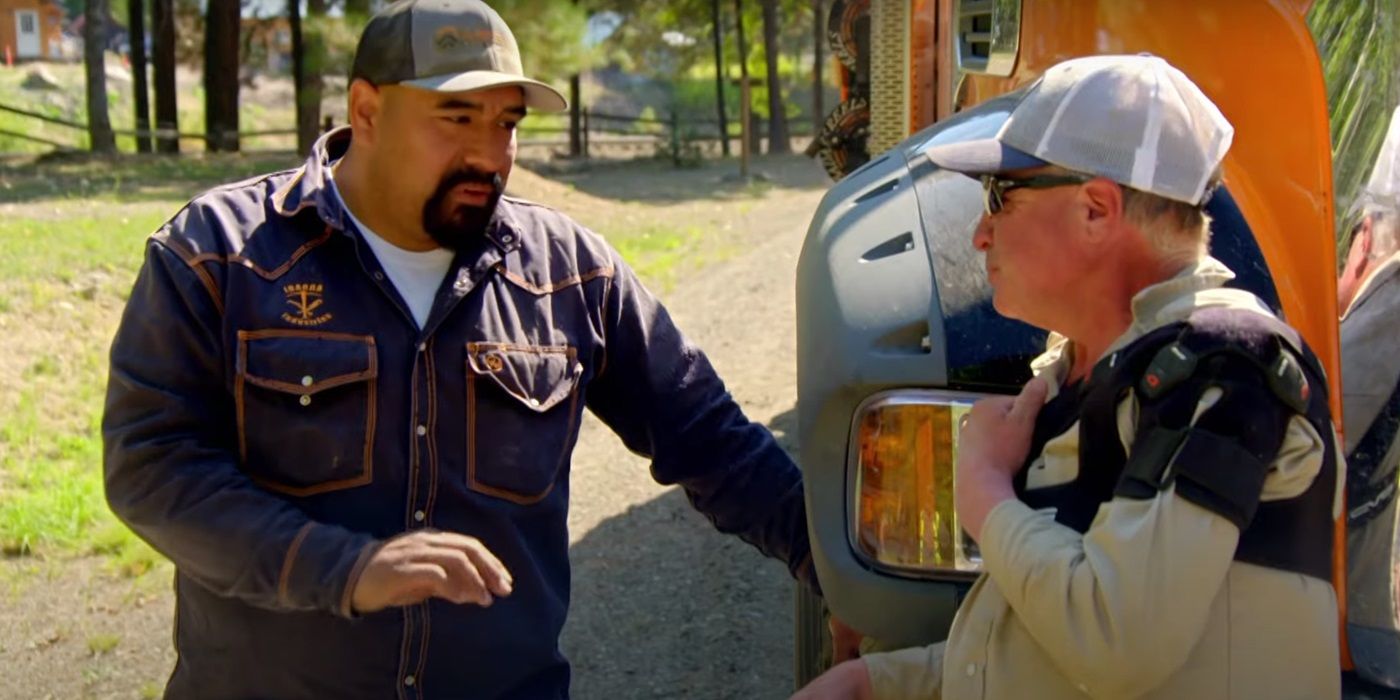
The Current Mining Setup
Mike’s plant is centered around a 1940s converted asphalt dryer, used as a trommel. Large rocks are separated out at the end and collected by dump truck. The finer material travels through a series of pipes into a jig. Any particles smaller than 1/8 inch should fall through the jig screen into the first sluice run, while the larger material funnels into a nine-inch chute leading into a repurposed oil barrel.
This oil barrel acts as a dewatering drum, with holes punched in it so material inside spins, breaks up, and dries out. The finest material then drops through the holes into Mike’s final sluice boxes—referred to as the “last chance” sluices. Though rugged and outdated, the system is arranged in a way that suits Mike’s years of experience.



Hidden Losses in Fine Gold
The biggest issue lies in Mike’s confidence that the system is still highly efficient. However, tests reveal fine gold losses. The dewatering trommel sends material that is 3/16-inch or smaller onto the tailings conveyor—material that should be rich in recoverable gold. When sampled, these tailings contained visible fine gold. In one test pan, around 90 tiny pieces were recovered, signaling serious losses.
The sluice below the dewatering barrel, designed to catch this material, was fitted with nugget riffles which were found to be clogged and inefficient at capturing fine gold. This flaw, combined with high water flow, allowed gold to wash away unnoticed. Over years, this could equate to massive financial loss.
![Discovery Announces New Season Of 'Gold Rush: Mine Rescue With Freddy & Juan' [Video] - IMDb](https://m.media-amazon.com/images/M/MV5BMWY2OGFiOTctYmU2MS00OTRjLTlkZmMtZjk2YWY3M2VhNWQ3XkEyXkFqcGc@._V1_QL75_UY281_CR26,0,500,281_.jpg)
Engineering a Solution
Three key areas were identified for improvement:
- The Jig Output: Originally sending material through a narrow 9-inch chute, it would now be rerouted into a new 22-inch-wide sluice box to slow down water flow and allow fine gold to settle more effectively.
- Dewatering Barrel Losses: Gold was escaping through the barrel’s holes and onto the tailings conveyor. A high-powered spray bar was installed to wash material down more efficiently and direct it into sluices.
- Final Sluice Configuration: The existing riffles were replaced with new fine gold riffles designed specifically for smaller material, allowing better recovery and reducing overflow loss.
Final Results
Following a short shutdown for these upgrades, the new system was tested. The first 4-hour test run with the old system had yielded 1.6 ounces of gold. With the upgrades in place, the new test produced 2.2 ounces—a 37% increase. Projected over a 100-day season, these improvements could result in 440 ounces of gold recovered, worth over $340,000.
Long-Term Impact
The changes not only preserved fine gold that was previously being lost, but they also extended the plant’s usefulness without requiring a complete rebuild. For Mike, who had built his mining life from the ground up, the improvements represent not just a financial gain, but a validation of his decades-long commitment to gold mining in the mountains.