Since its premiere in 2005, Deadliest Catch has given the world a raw look into the dangerous world of Alaskan crab fishing. Considered to be doing one of the deadliest jobs of all time, the crew on the reality show is constantly putting their lives at risk one way or another. These fishermen operate heavy machinery, battle rough weather, and work grueling shifts to earn a living and the Discovery Channel show manages to do a great job of capturing all this high-stakes drama unfolding in real time. Deadliest Catch usually follows about four to six boats every season as different groups of fishermen navigate the Bering Sea to meet their fishing quotas before the season ends.
However, not everything makes it to the screen because when the going gets tough, there’s no time to pull out the cameras and hit record. What makes Deadliest Catch so different from most other reality shows is the show’s unscripted format. The crew on board isn’t reacting to manufactured drama, they are dealing with real-life situations where the consequences hang between life and death. The tension in the show comes from the reality of it all, where the margin for error is absolutely non-existent.
The Crew Has To Work Like a Well-Oiled Machine in a Collision Accident
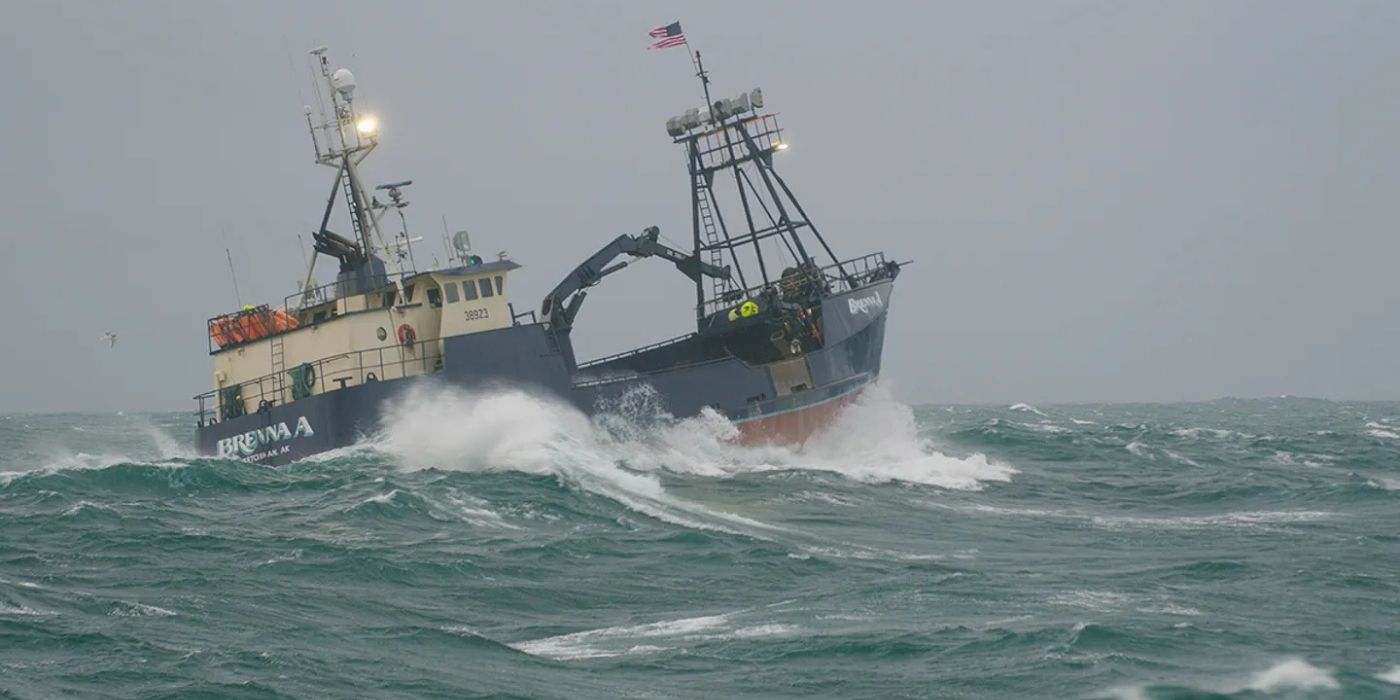 Survival on the Bering Sea obviously requires more than physical endurance. Since the fishermen are constantly risking their lives, they need to have nerves of steel. Not just that, but a safe and successful crab season requires everyone on the crew to be in tune with one another all the time. The truth is that in this line of work, one weak link compromises everyone’s safety, so teamwork isn’t optional. During emergencies, there’s barely any time to communicate, so the fishermen need to make split-second decisions. In situations like these, everyone is expected to know their role and execute their job without any hesitation.
The moment a ship is involved in a collision, the Captain has to sound the alarms and give clear, direct orders to the crew. Some fishermen have to secure loose equipment, some have to inspect the engine room, and some have to ensure that no one gets left behind. While all of that is being taken care of, the Captain flashes emergency signals to any nearby vessels. Since all of this unfolds simultaneously within seconds, survival completely depends on instinct and the crew’s trust in one another.
The Ever-Present Threat of Hypothermia on ‘Deadliest Catch’
Out of all the dangers crab fishermen face during crab season, nothing is as forgiving as hypothermia. While crews have been trained to handle all kinds of chaos, this is the one threat that they often find themselves helpless against. When a ship collides, hypothermia is the first concern. The subzero waters of the Bering Sea give the crew very little time to react, which makes survival all the more tricky. In case of an emergency, everyone on board has a 60-second window to find, unzip, and put on their survival suits before their body starts shutting down in the freezing water.
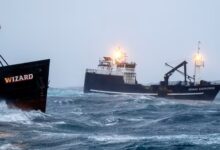


During Deadliest Catch Season 3, for instance, Captain Jonathan Hillstrand had to save a deckhand’s life after he fell overboard into the freezing waters. The entire crew jumped into action within seconds to save their teammate before hypothermia could set in. Despite the successful save, though, the deckhand’s limbs were completely numb for hours because of the cold. This only goes to show that even the most seasoned fishermen are practically helpless in the face of freezing temperatures.
Crab Fishing Tests the Limits of the Human Body
Aside from all the dangers the fishermen face, they also have to power through 18 to 20-hour shifts. Crab fishing is a true test of the crew’s strength and endurance as they haul massive crab pots, with each haul weighing up to 800 pounds. Since the season usually lasts about four months, the fishermen continue this physical labor day in and day out. All of this contributes to a level of exhaustion that the average person will never be able to understand.
The show often sheds light on the chronic pain, back injuries, and mental strain that many deckhands silently battle on board. Sometimes, this very exhaustion leads to clouded judgment and slow reaction times, which often results in close calls and full-blown fights among the fishermen. That’s not to say that the crew is incompetent. It’s just one of the many dangers of the profession they choose to dedicate their lives to.
Deadliest Catch is available to stream on Max.