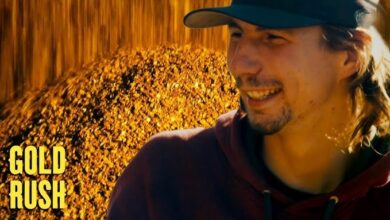
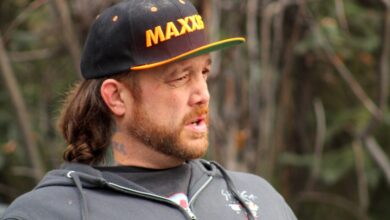
Freddy & Juan’s Advice Stops Gold Miners From Making A Rookie Mistake! | Gold Rush: Mine Rescue

Freddy Dodge Rescues Struggling Miners in Oregon
In the rugged landscapes of Eastern Oregon, a group of young miners—led by Jagger Fets and his brothers—are chasing their dream of gold. However, their operation has stalled, producing little to no results. To turn things around, veteran miner Freddy Dodge and master mechanic Juan Ibarra step in to provide expertise, equipment upgrades, and a fresh perspective.

A Ground-Up Evaluation
The first step in any successful mining operation is understanding the ground. Freddy quickly identifies that the Fets’ claim has been heavily worked over by early miners during the historical Oregon Gold Rush. The landscape is littered with tailings piles—rocky remnants left behind after the old-timers extracted the easy gold.
Despite the historical depletion, modern technology gives today’s miners an edge. With access to heavy machinery and better techniques, there’s still a chance of success—if they know where to dig.
The Problem: Inefficient Mining and Misguided Digging
One of the biggest issues facing the Fets operation is inefficient material handling. Instead of selectively mining the gold-bearing pay layer, the team has been excavating and running entire cross-sections of earth, including worthless overburden. This top layer of organic soil contains little to no gold and serves only to clog the wash plant and wear down equipment.



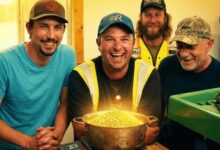
Freddy identifies the correct geological structure: about eight feet of overburden sitting above a two-foot pay layer. The pay dirt lies at the base, often hidden in gravel beds that were formed by ancient rivers carrying gold from the mother lode. Efficient mining requires carefully stripping away the overburden and targeting only the defined pay zones.
Testing for Chunky Gold
To assess whether the claim holds large gold nuggets, Freddy brings in a metal detecting expert to scan high-potential zones. The use of a high-sensitivity detector quickly confirms the presence of at least some chunky gold, giving hope that the deposit could yield more than just fine flakes.
This discovery influences how the wash plant will be re-engineered. With both fine and coarse gold in play, the recovery system must be adapted to capture both types effectively.
Rebuilding the Wash Plant for Maximum Efficiency
The existing wash plant is not performing as needed. Riffles and carpets are ineffective, cleanup is time-consuming, and the centrifugal bowl used for fine gold recovery produces negligible results. Freddy and Juan decide to implement a series of strategic upgrades:
- Increase trommel speed by changing the pulley size to wash rocks more efficiently.
- Add relief slits to enhance water flow and allow fine gold to drop out earlier in the sluice.
- Replace the centrifugal bowl with an adjustable sluice run better suited to fine gold capture.
- Repurpose existing sluice runs, dedicating one to fine gold and the other to larger nuggets.
- Install new riffles and carpet systems to maximize gold retention during processing.
These changes are designed to reduce material loss, improve recovery rates, and ensure that fine and coarse gold are no longer competing in the same collection system.
Investment and Expectations
Implementing these upgrades will cost the Fets around $8,000—a significant investment for a small family operation. The budget includes labor, parts, and a full week of work. However, the value of expert guidance, combined with tailored machinery upgrades, could make the difference between failure and a profitable season.
Hope for a Turnaround
With the wash plant rebuild underway and a better understanding of their ground, the Fets brothers are finally positioned to uncover the gold they’ve been chasing. The combination of smarter digging, improved recovery systems, and professional support has brought new life to their mining effort.
Only time will tell if these changes will lead to the payoff they’ve been hoping for—but for now, the future looks a lot brighter.