Surviving the Deadliest Waters: Inside the Life of Crab Fishermen in the World’s Most Dangerous Job

The Deadliest Catch: Life in the Perilous Waters of Crab Fishing
Fishing is already one of the most hazardous professions in the world, but crab fishing in the Bering Sea takes the danger to another level. Every season, brave crab fishermen venture into freezing, stormy waters, facing massive waves, subzero temperatures, and grueling labor—all in pursuit of one of the most lucrative catches: king crab and snow crab. The high risks and extreme conditions have earned this job the title of the Deadliest Catch. So, what makes this job so dangerous, and how do these fishermen survive in such brutal conditions? In this article, we’ll explore the main factors that make crab fishing in the Bering Sea one of the most perilous occupations in the world.
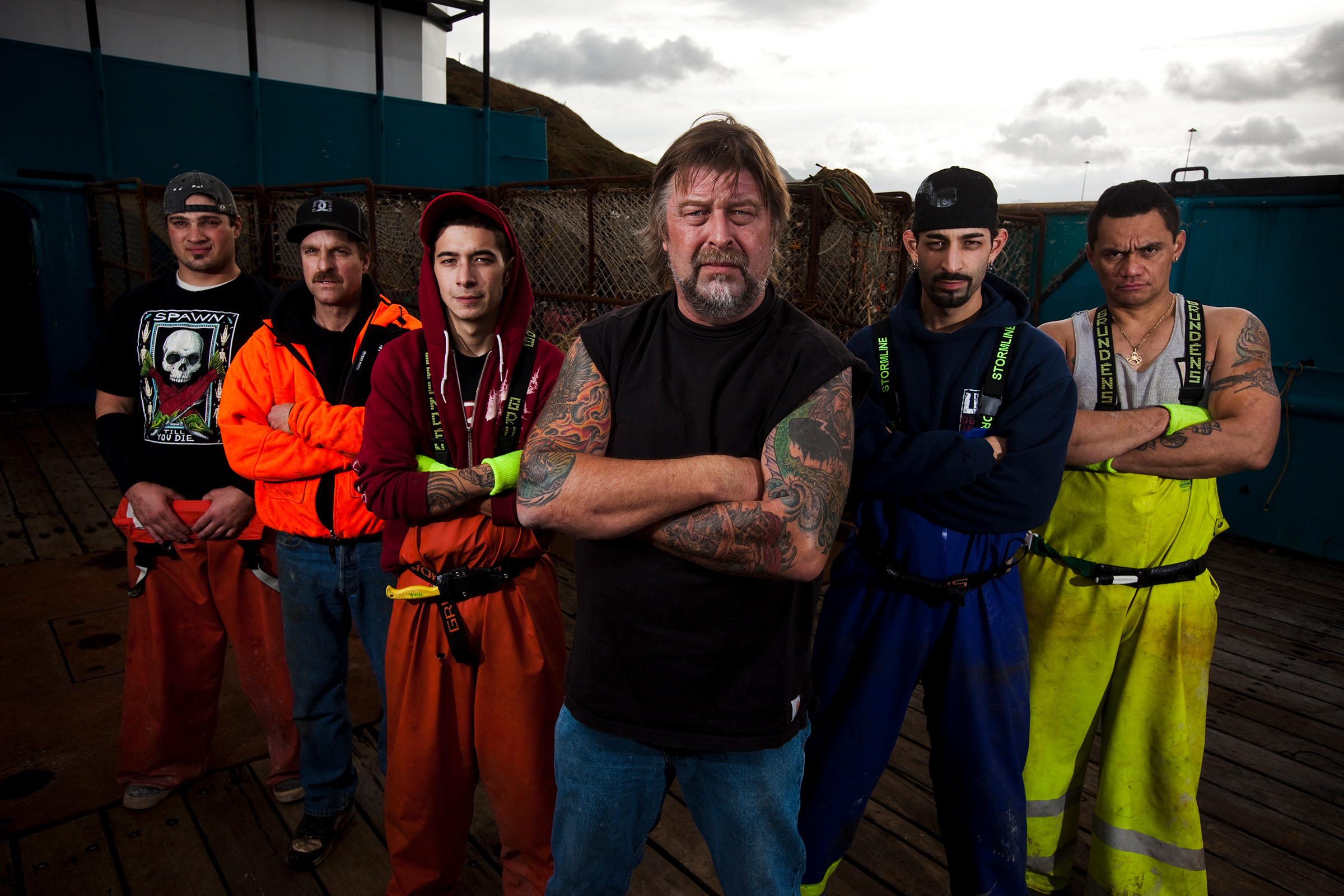
1. The Treacherous Waters of the Bering Sea
The Bering Sea, located between Alaska and Russia, is one of the most unpredictable and violent bodies of water on Earth. It is infamous for its massive waves, powerful storms, and freezing temperatures. Fishermen often encounter waves as high as 40 feet, which can easily capsize boats or sweep crew members overboard. The sea is prone to sudden storms with hurricane-force winds, making navigation and stability a constant battle.
The icy conditions and sub-zero temperatures cause ice to form on the deck and rigging, making everything slippery and increasing the risk of falls. Ice buildup on the vessel can make it top-heavy, leading to capsizing if not removed in time. Moreover, the harsh winter season brings long nights, with the nearest port sometimes hundreds of miles away, making rescues difficult and sometimes impossible.




2. The Backbreaking Work and Grueling Hours
Crab fishing isn’t just dangerous—it’s also one of the most physically demanding jobs in the world. Crew members work long, grueling shifts in freezing, wet conditions, often with little rest. Crab boats operate around the clock to maximize their catch during the short fishing season. Crew members may work 18 to 24 hours straight, hauling in hundreds of heavy crab pots.
The risk of injury from falling pots, snapped cables, or getting tangled in machinery is extremely high. Fishermen are also constantly at risk of hypothermia and frostbite. The cold, wet conditions often render gloves useless, and exposure to the cold for too long can be deadly.
3. The Constant Risk of Capsizing and Man Overboard
One of the greatest fears of any crab fisherman is going overboard. The frigid waters of the Bering Sea can kill a person within minutes due to hypothermia. Capsizing is a constant threat, as many boats have sunk due to overloading, ice buildup, or powerful waves. A single mistake in balance or a rogue wave can lead to disaster.
If a fisherman falls into the sea, they have only a few minutes before the cold paralyzes their muscles. Survival depends on how quickly the crew can pull them back on board. While life vests help, rescue efforts in the chaos of a storm are incredibly difficult. Emergency survival suits and life rafts can improve survival chances, but the odds of surviving a capsizing event are slim without immediate rescue.
4. The Psychological and Emotional Toll
Beyond the physical dangers, crab fishing also takes a severe mental and emotional toll on those who do it. The extreme stress and fatigue from little sleep, combined with constant danger and high-pressure work, can lead to intense stress levels. Mental exhaustion from long shifts in such a dangerous environment can result in mistakes, which can be fatal.
Isolation from family is another challenge. Fishermen often spend weeks or months at sea, away from their families. The long separation, combined with the knowledge that every trip could be their last, weighs heavily on them. Many survivors also face survivor’s guilt, having lost friends and crew members to the sea. This emotional trauma can make it difficult to return to the job.
5. The High Rewards and Why Fishermen Keep Returning
Despite the extreme dangers, crab fishing remains one of the most lucrative fishing jobs in the world. A single season of successful crab fishing can earn a deckhand anywhere from $30,000 to over $100,000. Captains can earn even more, with some making millions in a good year.
Many fishermen thrive on the adrenaline rush of the job, while others are driven by a deep sense of brotherhood among the crew. This shared camaraderie, forged through extreme hardships, keeps them coming back season after season. For many, crab fishing is a family tradition passed down through generations.
6. The Impact of Unpredictable Weather
The weather conditions in the Bering Sea are some of the most unpredictable and dangerous in the world. Fishermen must constantly battle nature’s wrath, which can change in an instant. Sudden storms and high winds—even with modern weather forecasting—can form unexpectedly, creating chaotic conditions that make it nearly impossible to maneuver boats safely.
One of the biggest threats is freezing spray, which occurs when ocean waves crash against the boat and instantly freeze. This ice buildup can make the boat dangerously top-heavy, leading to capsizing if not dealt with quickly. Fog and low visibility further complicate navigation, reducing visibility to nearly zero and increasing the risk of collisions. The unpredictable weather makes every crab fishing trip a gamble with nature, requiring fishermen to be constantly alert.
7. The Role of Technology and Safety Measures
Over the years, advancements in technology have improved safety for crab fishermen, but the risks remain high. Modern fishing boats are equipped with radar, sonar, and GPS systems that help captains navigate safely and locate crab-rich areas. However, even the best technology cannot prevent sudden weather changes or rogue waves.
Every vessel carries life rafts, emergency beacons, and immersion suits to help crew members survive in case of a capsizing or man overboard situation. Despite these advancements, the job remains incredibly dangerous. Strict regulations and safety training have helped reduce fatalities, but survival still largely depends on experience, quick thinking, and a bit of luck.
8. The Short but Intense Fishing Season
The crab fishing season is short, often lasting just a few weeks to a couple of months. This tight schedule makes the job even more dangerous. Fishermen push themselves to the limit, working day and night to maximize their catch before the season ends.
Each boat is allocated a specific quota, and captains must ensure they meet their catch limit without exceeding it. Failure to meet the quota can result in financial loss, adding immense pressure to the already dangerous job. Fishermen must also work quickly to catch crabs before they migrate to deeper waters or storms force them to cut their trips short.
9. The History and Legacy of Crab Fishing
Crab fishing has a long history, and for many, it is more than just a job—it’s a way of life. Many fishermen come from families with deep roots in the industry. Fathers, sons, and grandfathers have all worked these waters, passing down their knowledge and survival skills through generations.
While conditions have improved with modern equipment and safety measures, the risks of the job remain the same. Famous fishing vessels and captains, such as those highlighted on shows like Deadliest Catch, have made crab fishing famous, showcasing legendary captains and boats known for their resilience and survival stories. For those in the industry, crab fishing is not just a job; it’s a tradition, a source of pride, and a testament to human endurance against the forces of nature.
10. The Future of Crab Fishing
Crab fishing faces numerous challenges that could impact its future. Climate change, rising ocean temperatures, and changing ecosystems are affecting crab populations, making them harder to find. Governments are also placing stricter regulations on crab fishing to prevent overfishing and protect marine ecosystems.
Automation could also play a role in the future of crab fishing. With advancing technology, some speculate that automated, remotely operated fishing methods could replace human fishermen. While this could improve safety, it could also take away the human element that has defined crab fishing for generations. Despite these challenges, the spirit of crab fishermen remains strong, and as long as the sea continues to provide, there will always be those willing to brave its dangers in pursuit of the mighty crab.
11. The Deadly Role of Machinery
Crab fishing isn’t just about battling the sea; it’s also about handling some of the most dangerous machinery in commercial fishing. Crab pots, which weigh up to 800 lbs each, must be lifted from the freezing waters using hydraulic winches. If a cable snaps or a pot swings unexpectedly, it can easily crush a fisherman.
The deck is constantly wet and often coated in ice, making it slippery. Crew members work with massive mechanical arms and hydraulic haulers, which can malfunction or move unpredictably. Distractions or mistakes can result in severe injuries or even fatalities.
12. The Role of the Captain
The survival of a crab boat depends largely on its captain. A good captain must have years of experience navigating the unpredictable waters of the Bering Sea. They must also manage the crew, ensuring they stay motivated and efficient despite exhaustion and stress.
The captain must make split-second decisions that can mean the difference between life and death. Whether it’s navigating through a storm or deciding when to fish, a captain’s experience and leadership are critical for survival.
13. Famous Crab Fishing Disasters
Over the years, many crab fishing vessels have met tragic ends, highlighting just how dangerous this job is. One of the most heartbreaking tragedies occurred when the F/V Scandies Rose sank on New Year’s Eve 2019, claiming the lives of five crew members. The sinking of the Destination in 2017 and the loss of the Big Valley in 2005 further exemplify the risks of crab fishing. These events serve as grim reminders of the dangers fishermen face every season.
14. The Harsh Reality for Families
While fishermen face immense danger, their families endure a different kind of suffering. The constant fear of losing a loved one to the sea, coupled with financial uncertainty, is a heavy burden. Many fishermen leave letters for their families before heading out, just in case they never return.
15. The Brotherhood of Crab Fishermen
Crab fishing creates a bond unlike any other. Fishermen depend on one another for survival, and shared hardships form lifelong friendships. Many fishermen consider their crew their second family, honoring fallen comrades and supporting one another in times of tragedy. Despite the dangers, the camaraderie and loyalty keep fishermen coming back to the Bering Sea year after year.
Conclusion: A Life on the Edge
Crab fishing in the Bering Sea is one of the most perilous jobs in the world. Fishermen face towering waves, brutal cold, and constant physical and mental strain. The risks are high, but so are the rewards. Despite the dangers, the call of the sea remains strong, and for many, this way of life is more than just a job—it’s a legacy of survival, brotherhood, and pride.