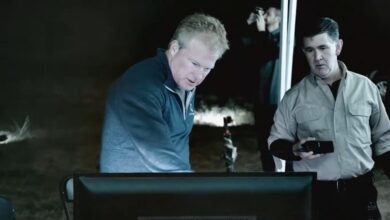
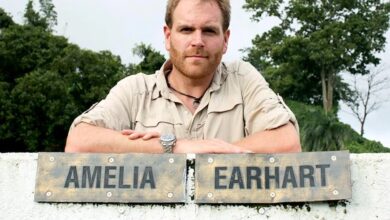
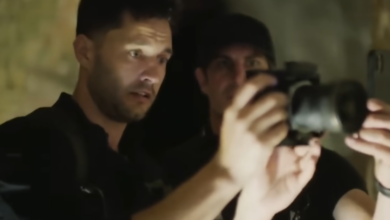
On the rugged Mediterranean coastline of Corsica, a decades-old wartime mystery continues to fuel speculation, drawing explorers, historians, and treasure hunters into a search that blurs the line between history and legend. In Expedition Unknown, host Josh Gates follows a trail tied to Nazi General Erwin Rommel and a rumored cache of stolen World War II treasure said to have vanished during the final chaos of the war.
The story begins in the closing years of World War II, when Nazi forces occupied large parts of Europe and systematically looted art, gold, and cultural artifacts. According to long-circulating accounts, some of this stolen wealth was transported through secret routes across the Mediterranean, with Corsica emerging as a possible transit point or temporary hiding place.
What makes the Corsican mystery particularly compelling is its combination of wartime records, local testimony, and physical anomalies that still exist today. Over the years, rumors have persisted of hidden tunnels, sealed caverns, and submerged wartime deposits along the island’s coastline — all potential storage points for lost Nazi assets.
Following the Trail of Rommel
One of the central figures in the investigation is Erwin Rommel, the German field marshal whose operations in North Africa and Southern Europe placed him in strategic proximity to key wartime supply routes. While there is no confirmed historical evidence directly linking Rommel to hidden treasure deposits in Corsica, his name has become attached to various post-war legends involving missing Nazi gold.
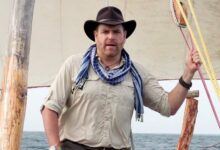
In Expedition Unknown, Josh Gates retraces fragments of these stories, speaking with historians and examining wartime movement patterns that could explain how valuable materials might have passed through the region during the collapse of Axis control.

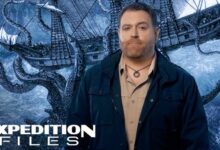


A Landscape Full of Hidden Possibilities
Corsica’s geography plays a major role in the persistence of the legend. The island is filled with rugged cliffs, remote caves, dense forests, and underwater structures shaped by both nature and war. During World War II, its strategic position in the Mediterranean made it a contested zone for Axis and Allied forces, leaving behind remnants of bunkers, supply depots, and coastal defenses.
The investigation highlights flooded underground chambers and sea caves that may have once been accessible by land before environmental changes or wartime destruction altered the terrain. These locations, difficult to access even today, have become focal points for treasure theories.
Divers exploring offshore areas also encounter wreckage and submerged wartime debris, raising the possibility that materials could have been intentionally hidden or accidentally lost during military operations or evacuation attempts.
The Legend of Lost Nazi Gold
Stories of Nazi treasure are not unique to Corsica. Across Europe, numerous legends claim that retreating German forces concealed gold bars, artwork, and stolen valuables in anticipation of defeat. While some caches were discovered in the post-war years, many remain unaccounted for, feeding decades of speculation.
In the Corsican narrative, the treasure is often described as a combination of gold bullion and confiscated cultural artifacts. However, historians caution that such claims are difficult to verify, as wartime chaos, destroyed records, and exaggerated post-war storytelling have blurred the line between fact and fiction.
Searching Through Science and History
The Expedition Unknown team approaches the mystery with a blend of historical research and modern exploration techniques. Archival documents are compared with geographic analysis, while sonar scans and diving expeditions attempt to identify anomalies beneath the surface.
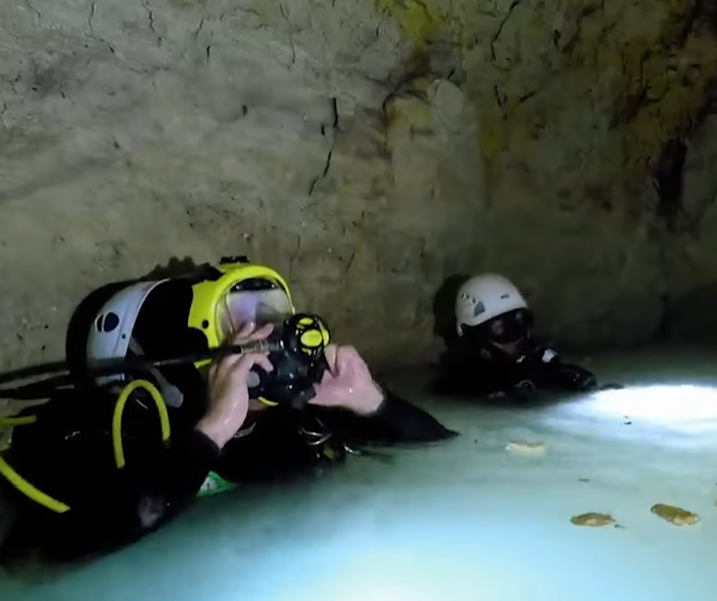
Despite these efforts, no definitive evidence of a hidden treasure cache has been confirmed. Instead, each clue tends to deepen the mystery — pointing toward additional locations or suggesting alternative explanations for previously reported discoveries.
Historians featured in the investigation emphasize that while Nazi Germany did engage in large-scale looting, the logistics of transporting and hiding vast quantities of treasure under wartime pressure would have been extremely complex. Many supposed “treasure routes” may have been disrupted by Allied advances long before any long-term concealment could occur.
Between Myth and Reality
As the search intensifies, Corsica remains a place where history and myth coexist. Locals are familiar with stories of hidden gold, yet many view them as part of the island’s folklore rather than historical certainty. Still, the persistence of the legend ensures that each new expedition is met with renewed curiosity.
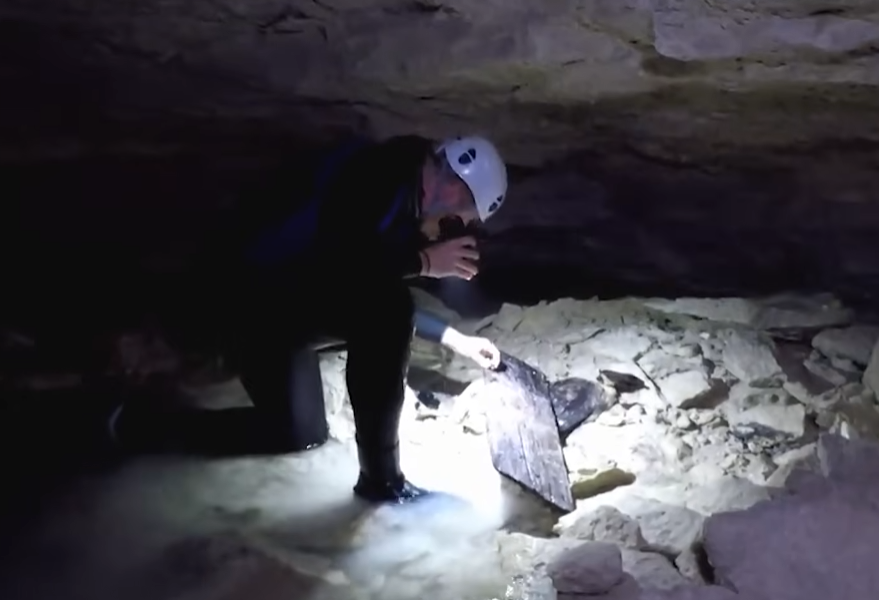
Josh Gates’s journey underscores a key theme of modern exploration: even in a world saturated with information, some mysteries remain resistant to resolution. Whether the treasure ever existed in the form described by legend is still unknown, but the search itself continues to reveal new insights into wartime history and human imagination.
An Unfinished Chapter
The investigation ultimately leaves more questions than answers. Was Nazi treasure truly hidden in the caves and waters of Corsica, or has decades of storytelling amplified fragments of truth into a larger myth?
For now, the coastline holds its silence. Beneath its waves and within its stone, the possibility remains — that somewhere, history’s most elusive wartime fortune may still be waiting to be found.