Gold Rush 2026: Beyond the Gold — Reclamation and Environmental Responsibility
The Hidden Story of Mining
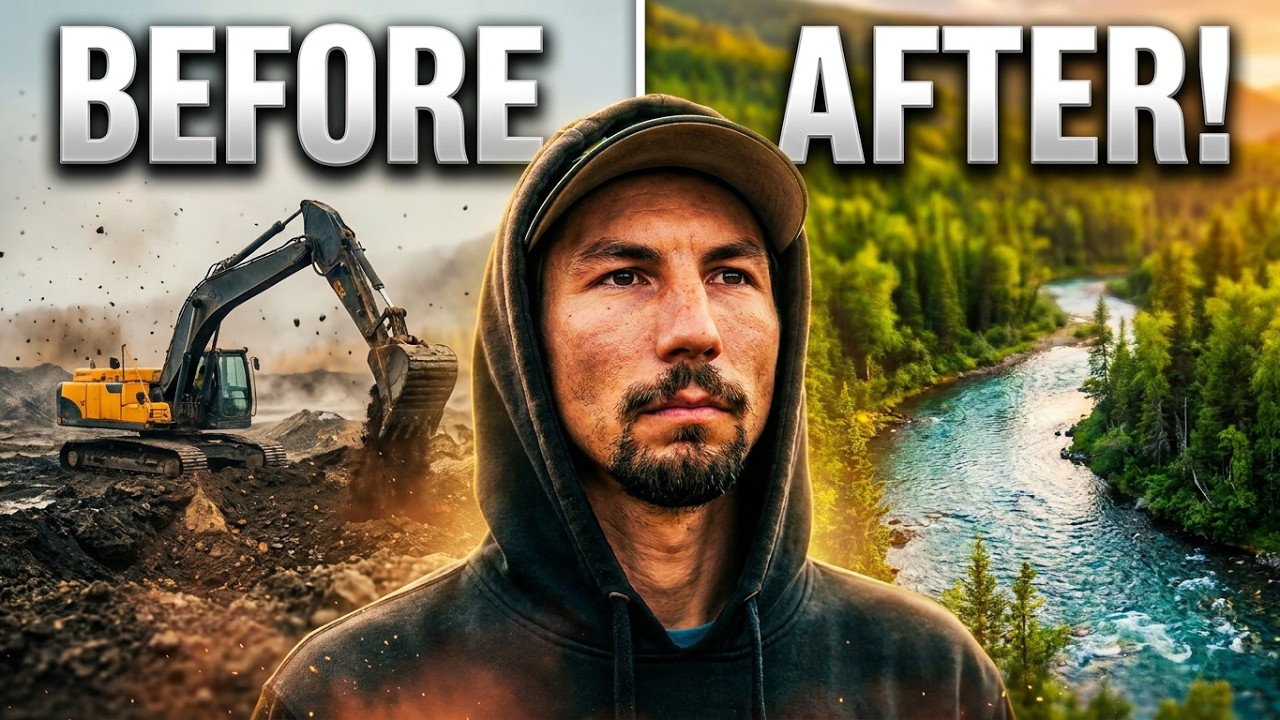
While audiences focus on massive gold hauls, high-powered machinery, and record-breaking totals, there is another story that receives far less attention: what happens to the land after the mining season ends. By the conclusion of a season, vast stretches of previously untouched wilderness are transformed into excavated terrain. Forests are cleared, vegetation removed, and large swaths of ground stripped of pay dirt.
Permits and Environmental Obligations
Before any mining can begin, operators like Parker Schnabel, Tony Beets, and Rick Ness must secure permits and licenses from government authorities. These come with strict environmental requirements, including mandatory land reclamation. Failure to comply can result in severe fines or the loss of future permits, making reclamation not optional but essential for continued operations.
The Reclamation Process
Reclaiming mined land involves reshaping terrain, replacing topsoil, restoring natural drainage, and replanting grasses, shrubs, and trees. The goal is to restore the land to its original state or create a functional ecosystem that supports wildlife and future land use. Though this work occurs after cameras leave, it often continues long after mining ends.
Parker Schnabel’s Leadership in Reclamation
Parker has become a strong advocate for responsible reclamation. His efforts earned him the Lecky Award for environmental stewardship from the Yukon government, recognizing his dedication not only to gold production but also to sustainable land management. Parker emphasizes that future mining success depends on maintaining good relationships with regulators and demonstrating environmental responsibility.




Financial and Regulatory Challenges
Miners face increasing complexity in managing environmental compliance. Costs for reclamation, uncertainty in future regulations, and the investment required for ongoing compliance make planning a challenge. Despite these hurdles, effective reclamation ensures ongoing operational approval and long-term viability of mining claims.

Lessons From Other Miners
Even experienced miners like Tony Beets have faced fines for environmental violations, highlighting the seriousness of reclamation requirements. Most crews invest heavily in land restoration, understanding that failing to do so jeopardizes both operations and reputation. Reclamation is an essential, albeit less visible, part of modern mining.
Environmental Benefits
Reclaimed mining sites restore habitats for wildlife, stabilize soil, and protect water quality. Replanting native vegetation allows animals to return, and rebuilt drainage systems prevent erosion and pollution of streams. These actions ensure ecosystems remain healthy and sustainable, mitigating the long-term impact of mining.
Community Relations
Effective reclamation also preserves positive relations with local communities. By demonstrating responsibility and care, mining operations maintain public support, reduce conflicts, and reinforce the social license to operate.
Conclusion: Mining Beyond the Gold
While fans celebrate the drama and fortune of the Gold Rush, the most critical work often occurs after the gold is collected. Responsible reclamation ensures wildlife can thrive, water remains clean, and future generations can continue mining. For Parker Schnabel, Tony Beets, and Rick Ness, environmental stewardship is as vital as the hunt for gold — a lesson unseen by television audiences but essential for the industry’s future.
Key Takeaways
- Land reclamation is mandatory for maintaining permits and future mining operations.
- Rebuilding terrain and ecosystems protects wildlife and water quality.
- Parker Schnabel sets an example with award-winning reclamation efforts.
- Environmental compliance is a financial and operational priority.
- Mining responsibly ensures the long-term sustainability of the industry.