A bold scientific effort to revive one of the most iconic creatures of the Ice Age — the woolly mammoth — is gaining momentum, captivating both the scientific community and the public imagination. In a recent Discovery Channel India episode of Expedition Unknown, experts outlined the progress, challenges, and broader implications of de‑extinction — the process of bringing extinct species back to life.
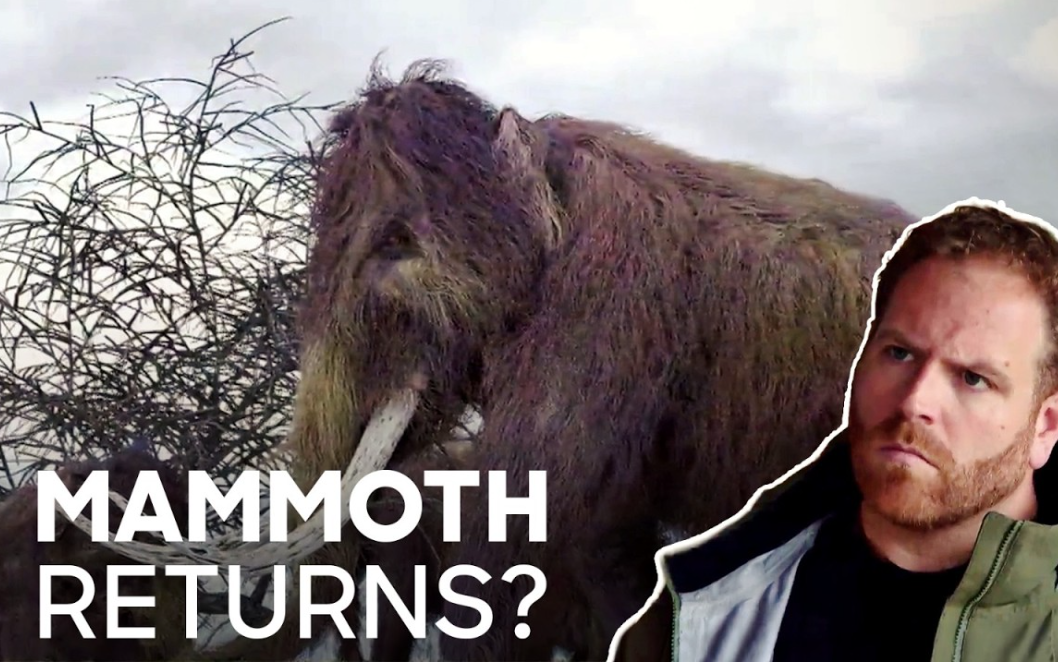
The woolly mammoth, a distant cousin of today’s elephants, vanished from the Earth roughly 4,000 years ago. Its fossilised remains, often preserved in frozen tundra, have provided researchers with a remarkable treasure trove of genetic material. For decades, scientists have debated whether it might be possible to use these remnants of ancient DNA to recreate a living mammoth — or at least a mammoth‑like elephant. Now, thanks to advances in genetic engineering, the idea is closer to reality than ever before.
At the heart of this scientific pursuit is the work of teams in institutions across the globe — including geneticists, paleontologists, and biotechnologists who are combining ancient DNA with cutting‑edge tools like CRISPR. CRISPR is a gene‑editing technology that allows precise changes to be made to DNA. Researchers are using it to edit the genome of the Asian elephant, the woolly mammoth’s closest living relative, by inserting mammoth‑specific traits such as thick fur, a layer of insulating fat, and cold‑adapted blood proteins.




“This isn’t about bringing back exactly a mammoth,” explained one researcher on Expedition Unknown. “It’s about creating an elephant that carries distinct mammoth adaptations — an elephant that can survive in the harsh conditions of the Arctic.”
The ambitious goal is not simply scientific curiosity. Advocates of mammoth de‑extinction believe these animals could play a role in restoring degraded ecosystems in the northern tundra. Proponents argue that large, grazing mammals shaped the grasslands and ecosystems of the Pleistocene epoch. By reintroducing mammoth‑like creatures, they theorise, it may be possible to slow permafrost melting — a by‑product of climate change — by promoting grassland ecosystems that reflect more sunlight and retain soil structure.
Yet, the debate is far from straightforward. Ethical and ecological questions continue to swirl around the prospect of de‑extinction. Critics raise concerns about animal welfare, the risks of unintended consequences, and whether resources would be better allocated toward protecting endangered species that still exist today.
One of the key technical hurdles is still the same one that has challenged scientists for decades: intact DNA. Even well‑preserved mammoth specimens have suffered degradation over thousands of years. Although advanced reconstruction technologies can fill some of the gaps, perfect DNA is impossible to obtain from ancient remains. This is where CRISPR and similar tools come into play — not by copying the mammoth’s exact genome, but by editing a modern elephant’s DNA to approximate mammoth characteristics.
Integrating these edited cells into viable embryos is another significant challenge. Researchers are exploring techniques such as induced pluripotent stem cells and artificial womb environments, each pushing the boundaries of reproductive science. While some studies have shown promise in the lab, none have yet led to viable pregnancies.
The complexity of the effort also extends beyond biology. Regulatory and legal frameworks for genetically modified organisms vary widely across nations, and public concerns about “playing God” further complicate the conversation. Supporters emphasise the importance of open scientific discourse and responsible oversight to ensure emerging technologies are applied ethically.
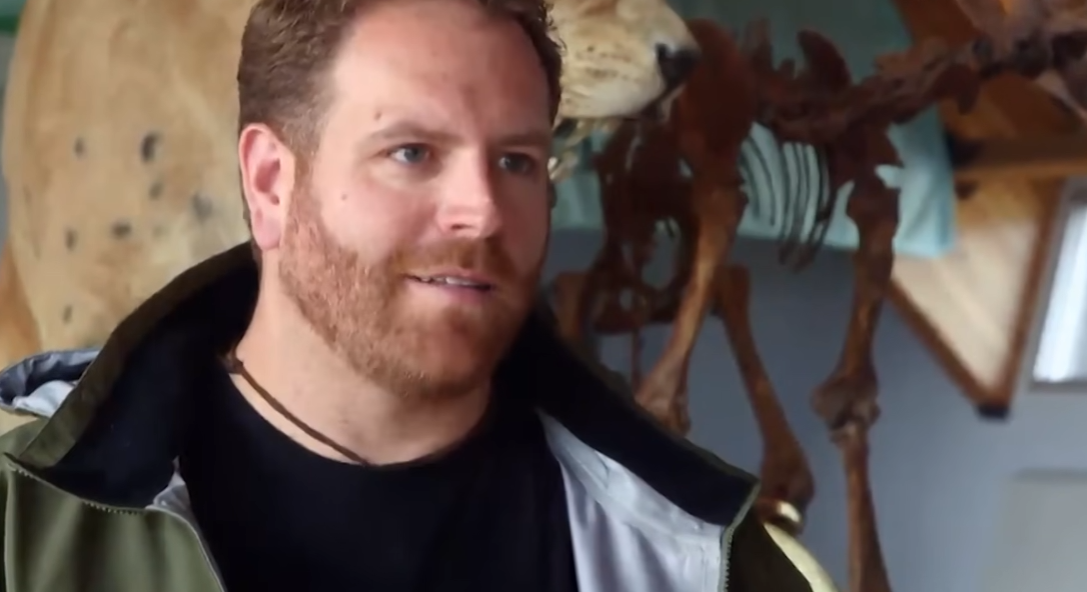
During the Expedition Unknown episode, host exploration expert Josh Gates spoke with scientists about their motivations. Many of them view the mammoth project not solely as an attempt to resurrect an extinct species, but as a way to expand our understanding of genetics, evolution, and ecological balance. “If we can tackle something like this,” one geneticist said, “we can potentially unlock solutions for saving species that are currently teetering on the brink of extinction.”
For now, the vision of mammoths once again roaming tundra landscapes remains a work in progress — a fusion of ancient biology and modern technology. Whether this effort ultimately leads to the birth of a woolly mammoth or a mammoth‑like elephant, the scientific journey itself is reshaping how researchers think about extinction, conservation, and humanity’s role in the natural world.
As the debate continues, one thing is clear: the idea of bringing back a creature lost for millennia has ignited a new chapter in scientific exploration, raising questions about preservation, innovation, and the future of life on Earth.