Gold Rush 2026: Rick Ness Faces High-Stakes Gamble at Lightning Creek
A Risky Investment
Rick Ness kicked off the 2026 season with a bold decision, buying a 1,600-acre claim at Lightning Creek from Troy Taylor for 200 ounces of gold. Half of the payment was due upfront, the remainder within two weeks. The purchase was made based on a single shovel pan, yielding only 7.35 ounces — far below the necessary pace to cover costs and the upcoming deadline.
Early Setbacks
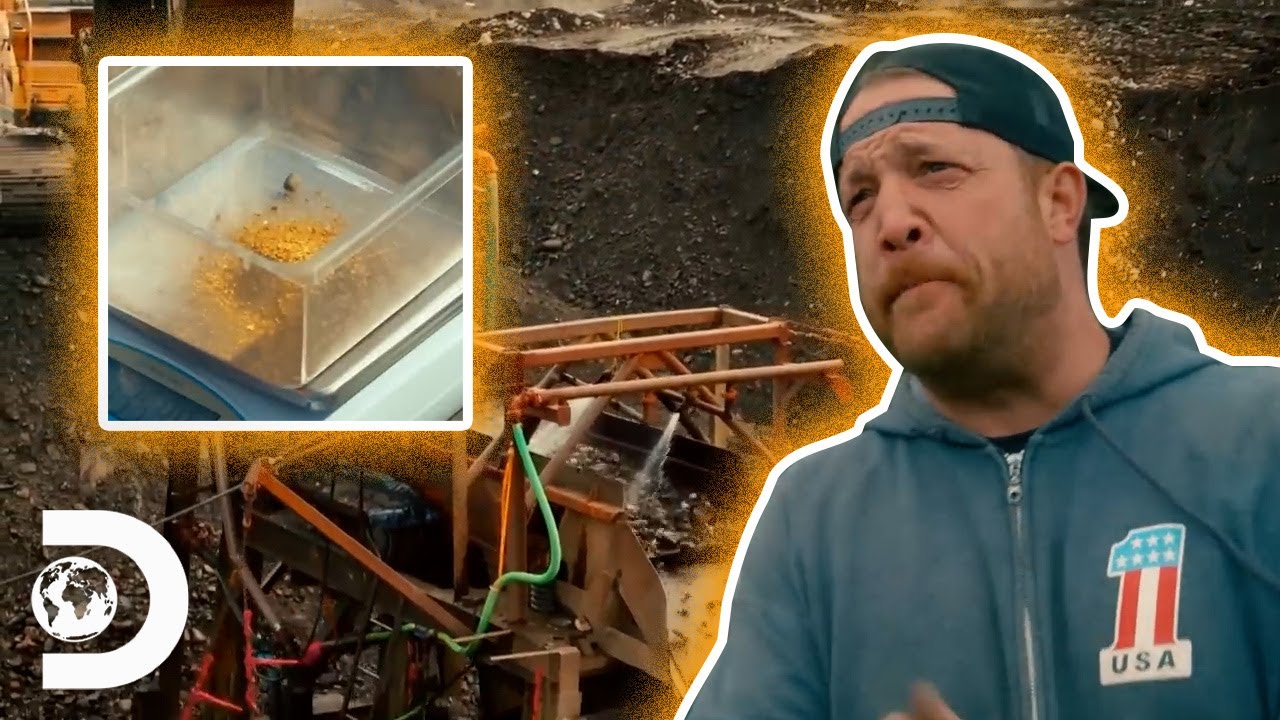
The first cleanup highlighted the challenge: 7.35 ounces over four days was insufficient to cover fuel, wages, equipment, and debt obligations. Rick admitted the location he chose was likely the wrong starting point, forcing a strategic pivot. Every day off the wash plant delayed production and increased pressure to meet the two-week 100-ounce target.
Moving the Wash Plant “Rocky”
Rocky, the 32-foot-wide, 25-ton wash plant, had to be repositioned to the new cut. The maneuver was delicate: the creek on one side, an unstable bank on the other, and frozen soil added risk. Spotters guided the move, ensuring no damage to equipment or the ground. This careful repositioning was critical to begin mining effectively at the new location.
Operational Challenges
Once in place, Rocky had to be reconnected to water and power. The crew prepared pay piles, stockpiled dirt, and ensured proper flow to the sluice box. The first run was a test — a necessary step to confirm functionality and start gold production. Each minute of delay affected the tight two-week deadline to deliver 100 ounces to Troy Taylor.




Strategy Under Pressure
Rick instructed the crew to push north and work the valley methodically, cut by cut, hoping to find a “hot pocket” of gold. He emphasized that Lightning Creek was a learning experience — not the easy, high-output ground of previous seasons. The next cut would determine whether the season could be salvaged or if the gamble would fail.
The Stakes Are Clear
For Rick, every ounce counts. Until 200 ounces are mined and delivered, any gold recovered is essentially paying for the claim. The arithmetic is unforgiving: to meet the two-week deadline, each cut must vastly outperform the Boulder cut. The success of the Nest crew and the season hinges on finding productive ground quickly.
Crew Response and Morale
Despite low early returns, the team remained focused. Rick reframed the challenge for the crew, explaining that persistence, methodical work, and careful observation were key. Every member understood that Lightning Creek required intense effort, patience, and adaptability to turn the gamble into a successful season.

Looking Ahead
The next cut at Lightning Creek will decide the season. Rick Ness has acknowledged the risk but remains confident that the gold exists within his 1,600 acres. Success depends on the crew’s ability to maximize every cleanup and push the wash plant efficiently — a true test of skill, strategy, and endurance.
Key Takeaways
- Lightning Creek is a high-risk, high-reward claim requiring precision and patience.
- Early cleanups are critical for meeting debt and production targets.
- Strategic repositioning of wash plants can make or break a mining season.
- Every ounce recovered is essential to covering the claim cost and operational expenses.
- Success hinges on methodical work, teamwork, and finding the productive “hot pockets” in the valley.