Just Unearthed on Oak Island: European Artifacts Point to Mysterious Historical Voyages

Oak Island Lot 5 Discovery: Ancient Roman Coin and Portuguese Road Suggest Templar Connection
Searching Lot 32 and Lot 5 Yields Promising Artifacts
Gary Drayton and Jack Begley returned to Lot 32 west of the swamp to continue investigating what may have been an ancient wharf. Using a methodical metal detector grid, the team flagged multiple locations. They recovered objects potentially related to maritime cargo, including a barrel hoop and other iron artifacts, which may have been used to transport goods ashore centuries ago. These discoveries could connect the wharf to French trade activities in the 18th century.

Analysis by Experts Confirms Historical Significance
The team consulted blacksmithing expert Carmen Legge to examine recovered artifacts. Among the items analyzed were large cargo barrel pieces and potentially naval tools, which may predate 1740. The historical context aligns with the Duc d’Anville expedition of 1746, providing insight into European military or trade activity on Oak Island.
Roman Coin Discovery in Lot 5
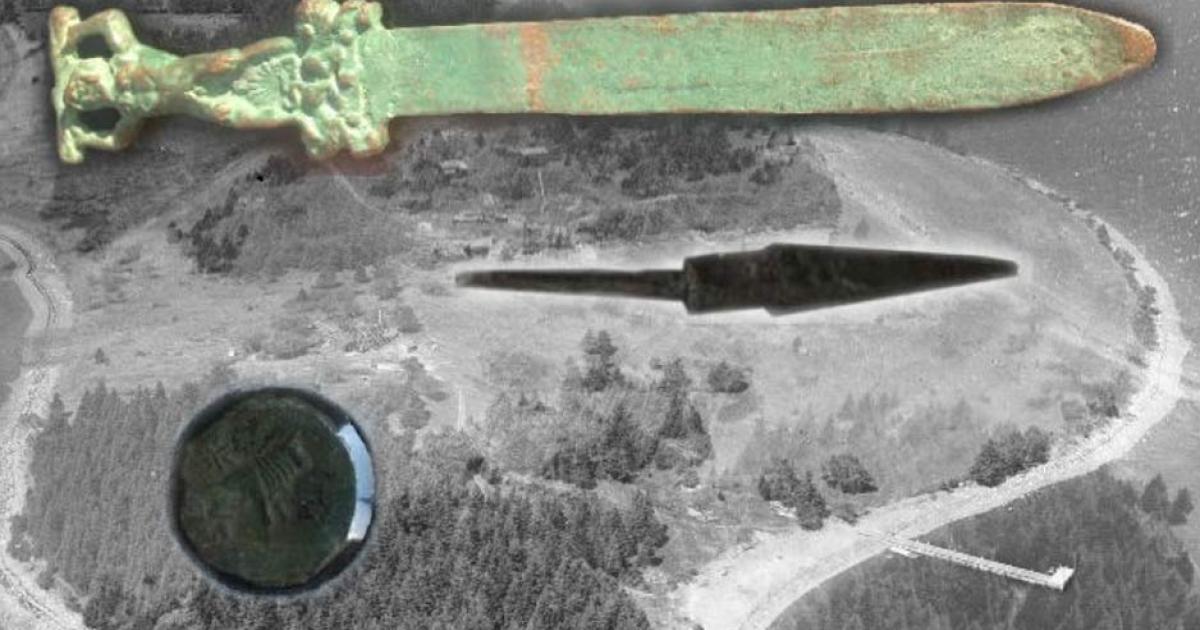
A breakthrough came when numismatist Sandy Campbell examined a cut copper coin recovered from Lot 5. X-ray fluorescence scanning revealed the coin contains copper, lead, tin, arsenic, and 1.05% silver. The results suggest it is pre-16th century, possibly Roman in origin. The coin’s weight, roughly one gram and precisely measured, indicated it may have been used as a fraction of a larger currency, consistent with historic barter practices.
Linking Artifacts to Templar Activity
During a visit to Portugal, the Oak Island team studied a 2,000-year-old cobblestone road and carvings in Templar churches, which resemble symbols previously found on Oak Island. The similarities suggest that the Roman coin and Portuguese road may be connected, possibly through the Knights Templar. These findings raise questions about the origin of Oak Island’s submerged structures, dam features, and previously discovered medieval artifacts.




Implications for Oak Island’s Treasure Map
The Lot 5 coin, combined with the previously discovered Roman-style road in the swamp, highlights a potential European connection to Oak Island. This may explain anomalies such as the medieval lead cross at Smith’s Cove, high traces of gold in the Money Pit, and other unexplained findings. Lot 5 is now considered a key location for uncovering the island’s historical and potentially treasure-related secrets.
Next Steps for Investigation
The team plans to continue examining Lot 5, bringing in expert analysis to better understand the Roman coin, the iron artifacts, and any further connections to the Templars or European expeditions. Systematic excavation and analysis may reveal additional clues about the origins of Oak Island’s structures and treasure sites.
Conclusion: A Complex and Historic Discovery
The findings at Lot 5 suggest that Oak Island’s history may involve European maritime activity dating back centuries, with potential links to the Knights Templar. These discoveries offer a new perspective on the island’s mysterious structures, cargo artifacts, and treasure legends, reinforcing Lot 5 as a central piece in the ongoing Oak Island mystery.