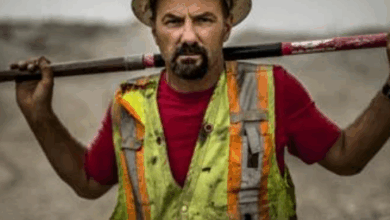
Rick Ness Battles Rocky Wash Plant to Secure Gold at Lightning Creek
First Gold of the Season at Rocky Wash Plant
Rick Ness and his crew at Lightning Creek faced a high-pressure start to the season as they fired up the newly optimized Rocky wash plant. The first bucket of pay was filled with anticipation — every crew member eager to see the gold finally moving through the sluice. While early yields were modest, the excitement of the first ounces going into the boxes set the tone for a grueling but potentially rewarding season.

Mechanical Issues Threaten Early Production
Within the first days, the crew faced complications. Water overflow and small rocks blocked the spray bars, creating inconsistent pressure across the shaker deck. The team had to quickly adjust nozzle tips and clear obstructions to ensure the pay dirt flowed properly. Without these adjustments, gold could have been lost, and downtime would have significantly impacted their seasonal targets.
Ryan and the Crew Implement Quick Fixes
Mechanic Ryan made critical adjustments to widen the shaker deck spray bar nozzles, allowing rocks to pass while maintaining proper gold recovery. The rapid intervention returned the plant to stable operation, with water flow balanced and gold collection resuming effectively. The crew demonstrated resilience, keeping production moving despite unexpected technical challenges.
Production Rate and Initial Results
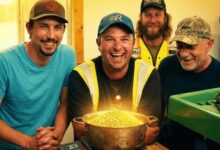
After four days of operation, Rocky wash plant was processing roughly 100 yards of pay per hour. The first cleanups produced 7.35 ounces, valued at approximately $25,000. While this was only a fraction of the ultimate seasonal goal of 1,800 ounces, it was a key milestone showing that the plant was capable of handling continuous operation once adjusted properly.



Financial Pressures and High Stakes
Rick Ness expressed concern over the financial implications of low early production. Running the plant without adequate gold recovery could lead to losses, as daily operational costs were high. Despite starting in the wrong spot, Rick remained focused on problem-solving and ensuring the crew maximized output from the available ground.
Adjusting Strategies for the Season
With over 100 claims in the region, Rick planned to shift operations if necessary to find richer pay dirt. The team remained adaptable, moving strategically to maximize recovery and keep the season on track. Every adjustment and decision carried weight, as the success of Rocky and the crew’s efforts would determine whether they could reach the targeted 1,800 ounces.

Optimism Despite Challenges
Even with early setbacks, Rick and the crew celebrated small victories while keeping an eye on the season-long objectives. The first gold in the boxes marked a promising start, demonstrating that, with careful attention to equipment and continuous problem-solving, the team could work toward achieving a successful year at Lightning Creek.
Key Takeaways
- Early mechanical issues can critically affect gold recovery and must be addressed immediately.
- Crew coordination and quick fixes are essential for maintaining production rates.
- Strategic movement across multiple claims is necessary to locate the richest pay dirt.
- Patience and resilience are vital as initial results may be modest but critical for long-term goals.
- The Rocky wash plant proved its capability to process continuous pay once adjustments were made.
Rick Ness’ opening days at Lightning Creek set the stage for a high-stakes season, balancing technical challenges, financial pressure, and the ongoing pursuit of 1,800 ounces of gold.