Parker Schnabel’s Million-Dollar Gamble Could Decide the Season
The Golden Goose Arrives With Everything on the Line
Parker Schnabel has never been afraid to spend big when the season starts tightening around him. But this time, the risk feels different.
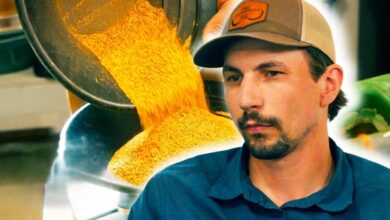
He has just invested $1 million in a brand new wash plant called the Golden Goose, a machine he believes can process more yardage than anything else on his Dominion ground. It is designed to run hard, recover gold efficiently, and stay online under the relentless pressure of late-season mining. On paper, it looks like the perfect answer.
But the timing is what makes the move so dramatic.
Parker is still roughly 2,000 ounces short of his 10,000-ounce target, and there are fewer than 1,000 operating hours left before the Klondike freezes solid and shuts the season down. There is no extra cut waiting in reserve, no second chance if this machine fails to perform. The Golden Goose is not just another addition to the fleet. It is the final path Parker has left if he wants to close the gap.



The Loss of the Golden Mile Changed the Entire Plan
The Golden Goose did not arrive because Parker wanted a new toy. It arrived because his strongest source of production is gone.
Earlier in the season, the Golden Mile had been the heart of his Dominion operation. It was the richest cut on the property and the area that had helped drive some of his strongest weekly totals. But by this point, the Golden Mile was finished. Parker had already mined it to its final scrape of earth, and that decision left a serious hole in the season’s production plan.
Once that cut was gone, Parker could not simply replace it with optimism. He needed processing capacity, stockpiled pay, and a machine capable of turning the final weeks into a late-season surge. That is why the Golden Goose matters so much. It is not a bonus. It is Parker’s response to a production problem he cannot solve any other way.
A Machine Built for Maximum Output
The Golden Goose was brought in for one reason: speed and scale.
According to Parker, the plant is built to push more yardage than any other wash plant currently working his claims. It is expected to handle 270 cubic yards per hour, a massive target at this point in the season. That level of performance would give him more processing power than anything else operating at Dominion and help make up for the output lost when the Golden Mile shut down.
This is why Parker is treating the machine almost like a final weapon. He is not asking it to contribute modestly. He is asking it to carry the season’s closing push.
The Whole Operation Has to Move in Sync
A wash plant alone solves nothing if the rest of the system is not ready for it.
While mechanics work to finish the plant, Parker’s mining crew is hauling the final Golden Mile pay into two massive stockpiles set roughly 4,000 feet apart. One pile is destined for Big Red, his long-trusted wash plant. The other is reserved for the Golden Goose. Every truck, every loader, and every available worker now has to operate in near perfect coordination. If the plant comes online before enough pay is stacked, it sits idle. If the pay arrives before the plant is ready, valuable ground movement slows and the operation clogs itself.
At this stage, time matters just as much as gold grade. The machine, the stockpiles, and the hauling all have to come together at exactly the right moment.
Getting the Golden Goose Into Place Was a Major Job on Its Own
Even before the plant could run, simply positioning it was an operation in itself.
Tyson and the crew guided the giant structure across frozen ground, inching it into its prepared pad with small corrections and constant communication. The machine is enormous, expensive, and unforgiving to place. Everyone on site knows that this is more than just another setup. They are moving the physical center of Parker’s final push into position.
Once the plant settles into place, the feeling in camp changes. The Golden Goose is no longer an idea or an incoming delivery. It is there. And now it has to justify every dollar Parker put into it.
Water Becomes the Next Great Risk
Then comes the problem every miner understands: without water, a wash plant is useless.
Alec Kelly and Liam Poukola take on one of the most critical jobs of the entire setup, laying the waterline from source to plant. The challenge is bigger than simply making water move. The Golden Goose needs enough pressure and consistent enough flow to actually run at full capacity. If the pressure falls short, then the million-dollar machine will never get close to the 270 yards per hour Parker bought it for.
That is what makes the water test so tense. If it fails, there is no easy fix and no backup machine waiting in reserve. There is just a very expensive plant sitting silent while the season keeps slipping away.
The Moment the Plant Comes Alive
When Alec finally gives the signal to start the pump, everyone knows how much is riding on the next few moments.
Air hisses through the line. Pressure starts to build. No one talks. For a stretch, everything hangs in suspense. Then the water begins to flow. The Golden Goose shudders, the system comes alive, and the first scoop of pay drops into the hopper. The crew cheers because they understand exactly what that moment means. The plant is running. The gamble is real now.
For Parker, though, simply getting the machine started is not enough.
Parker Refuses to Think Small
Many operators might choose to bring a brand new plant online cautiously, easing it into production and watching closely for early issues.
That is not Parker’s style.
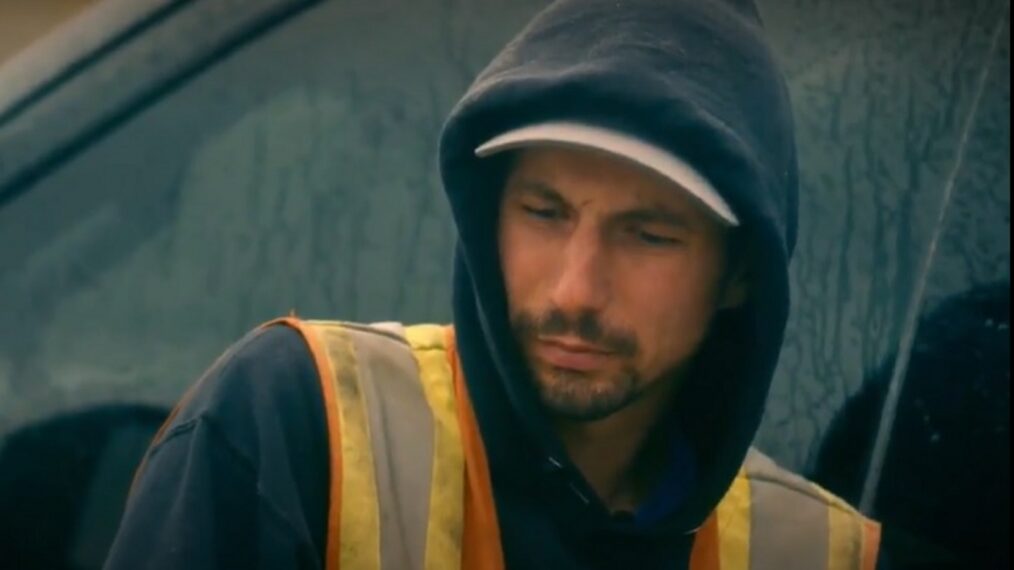
When Jeff and the mechanics suggest a starting pace of around 220 yards per hour, Parker pushes straight past it. He wants full capacity immediately. In his mind, there is no reason to buy a million-dollar plant late in the season unless it is going to run like one.
That decision tells you everything about how he approaches pressure. Parker does not buy equipment for safety. He buys it to attack problems head-on.
The First Breakdown Comes Fast
Of course, no late-season mining story stays simple for long.
Almost immediately after startup, something sounds wrong. The system is shut down and the crew quickly traces the problem to a frozen ball of compacted gravel and ice jammed into the return roller on the main feed belt. Within minutes of its first run, the Golden Goose is already stopped.
That kind of early issue can be deadly for new equipment. If it grows into serious downtime, the whole investment starts losing value immediately. But Alec and Liam find the jam fast, break it free, clear the system, and get the plant back into motion before the setback turns into something bigger.
That quick response matters. It shows that the crew understands what is at stake and knows there is no room for panic.
The Season Now Rides on What Happens Next
Once the jam is cleared, the Golden Goose begins running clean.
The belt tracks properly. The pay moves. The recovery mats start doing their job. Parker watches without much reaction, but the math in his head is obvious. He needs this machine to stay online, stay efficient, and keep chewing through those mountains of stockpiled pay until the ground freezes and the season ends.
The numbers are brutal in their simplicity. He needs about 2,000 more ounces. The Golden Goose is the machine built to help close that exact gap. Every remaining hour now matters, and every yard it processes pulls him either closer to his target or closer to falling short.
Tony Beets’ Season Offers a Sharp Contrast
At the same time Parker is betting everything on the Golden Goose, Tony Beets is facing a very different kind of pressure.
Tony has already spent $4 million on Wounded Moose, a claim that shows strong promise in the pan, but a licensing problem prevents him from using water on it. That means the gold may be there, but the operation cannot legally run yet. Instead of forcing the issue, Tony simply shifts back to the claims that are already licensed and keeps making money. His weekly total still lands at 715 ounces, worth about $2.5 million, pushing his season total beyond 7,300 ounces and nearly $26 million in value.
That contrast is revealing. Tony’s setback is frustrating, but he has the depth of operation to absorb it. Parker’s situation feels tighter. His path to the number he wants is narrower, and that makes the Golden Goose even more important.
The Final Sprint Has Begun
By this stage of the season, there is no margin left.
At Dominion, Big Red is running on one stockpile while the Golden Goose is meant to consume the other at full pace. Together, they represent Parker’s last serious push. The stockpiles are huge, but the hours left in the season are limited. In theory, the math still works. In reality, it only works if the plant runs hard, stays stable, and avoids serious downtime.
That is the tension now sitting over Parker’s operation. The machine is finally running. The pay is finally stacked. The clock is still moving.
And 2,000 ounces remains the number that defines everything.
The Golden Goose Could Become the Story of the Finish
The Golden Goose is more than a new machine. It is Parker Schnabel’s final late-season bet, made at exactly the point where caution would have been easier.
He could have accepted a smaller finish. He could have protected the ground already won. Instead, he chose to spend heavily, build quickly, and demand full capacity from a brand new plant before the season closes. That decision says everything about who he is as a miner.
If the Golden Goose holds together and performs the way Parker believes it can, it may end up being remembered as the machine that saved his final push. If it does not, then the million-dollar gamble becomes the defining risk of the season.
Either way, the finish line is now in sight, and Parker’s season has come down to one simple truth: the Golden Goose has to deliver.