Gold Rush Season 16: Parker Schnabel Faces a Critical Breakdown as the Golden Mile Push Reaches Its Limit
A strong season begins to show signs of strain
With roughly two-thirds of the mining season complete, Parker Schnabel appears, on the surface, to be in a commanding position. His operation has already generated more than $23 million in gold, a figure that would define success for most miners. But behind those numbers lies a far more fragile reality.
Operating costs are climbing toward $1 million per week, and recent gold totals have begun to decline. In an industry where margins can disappear quickly, even a short disruption has the potential to ripple through the entire operation.
At this stage of the season, stability matters as much as output—and that stability is starting to crack.




The Golden Mile becomes the defining battlefield
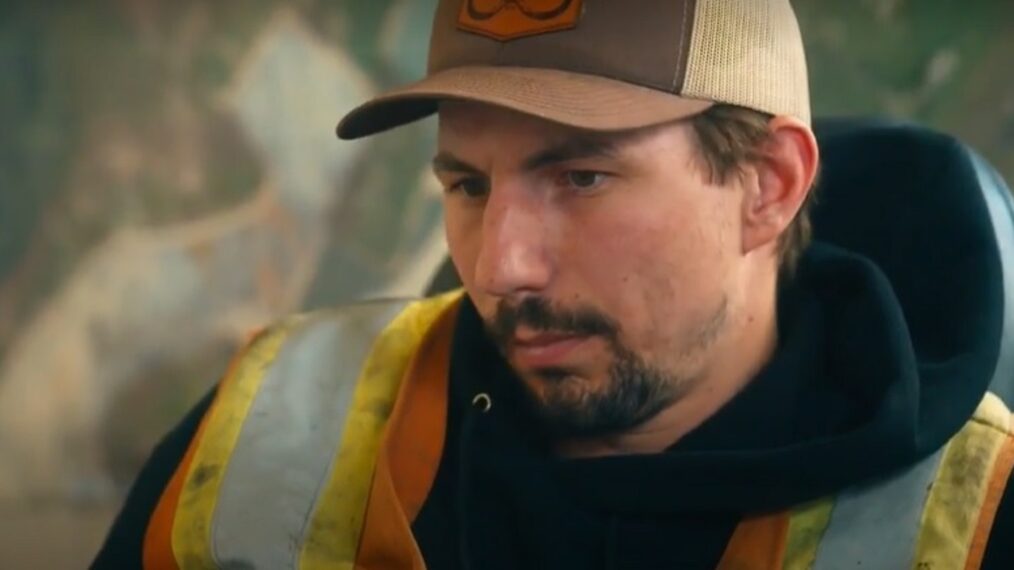
At the center of Parker’s campaign is the Golden Mile, a stretch of ground that holds both enormous promise and enormous pressure.
After months of relentless mining, more than 300,000 yards of pay dirt still remain buried. It represents a huge opportunity if recovered in time, but also a serious threat if winter arrives before the ground is cleared.
For Parker, the equation is simple but unforgiving.
If the ground is stripped in time, the season could reach another level.
If not, the gold stays in the ground—and the opportunity is lost.
A bold decision sacrifices gold for time
Faced with that reality, Parker makes one of the most aggressive decisions of his season.
He shuts down both Sluicifer and Big Red, two of his primary wash plants, and redirects their crews toward stripping the remaining ground.
The cost is immediate and severe. By halting gold production, Parker risks losing up to $750,000 in weekly revenue.
But in his view, the alternative is worse.
Without clearing the ground now, there may be nothing left to process later.
It is a high-risk move driven entirely by timing.
Tyson Lee faces an impossible task
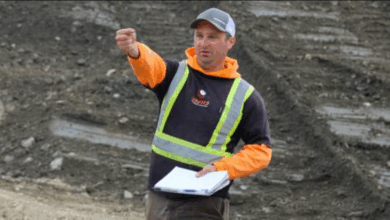
Executing this plan falls to foreman Tyson Lee, who quickly realizes the scale of the challenge.
Clearing even half of the remaining ground within a week is an enormous task, pushing both manpower and machinery to their limits. Yet there is no room for hesitation.
The entire operation shifts into overdrive. Crews work relentlessly, moving as much material as possible while the clock continues to run.
Still, even at full capacity, Dominion Creek begins to feel stretched.
A critical support decision turns into a setback
Recognizing the need for additional hauling power, Tyson turns to Mitch Blaschke for help.
Mitch is already operating under tight conditions, running his plant continuously with only two trucks feeding it. Losing one would immediately cut his capacity in half.
Despite the risk, Parker’s authority prevails, and Mitch agrees to send a truck to Dominion.
It is a decision meant to accelerate progress.
Instead, it becomes another obstacle.
A catastrophic breakdown stops everything
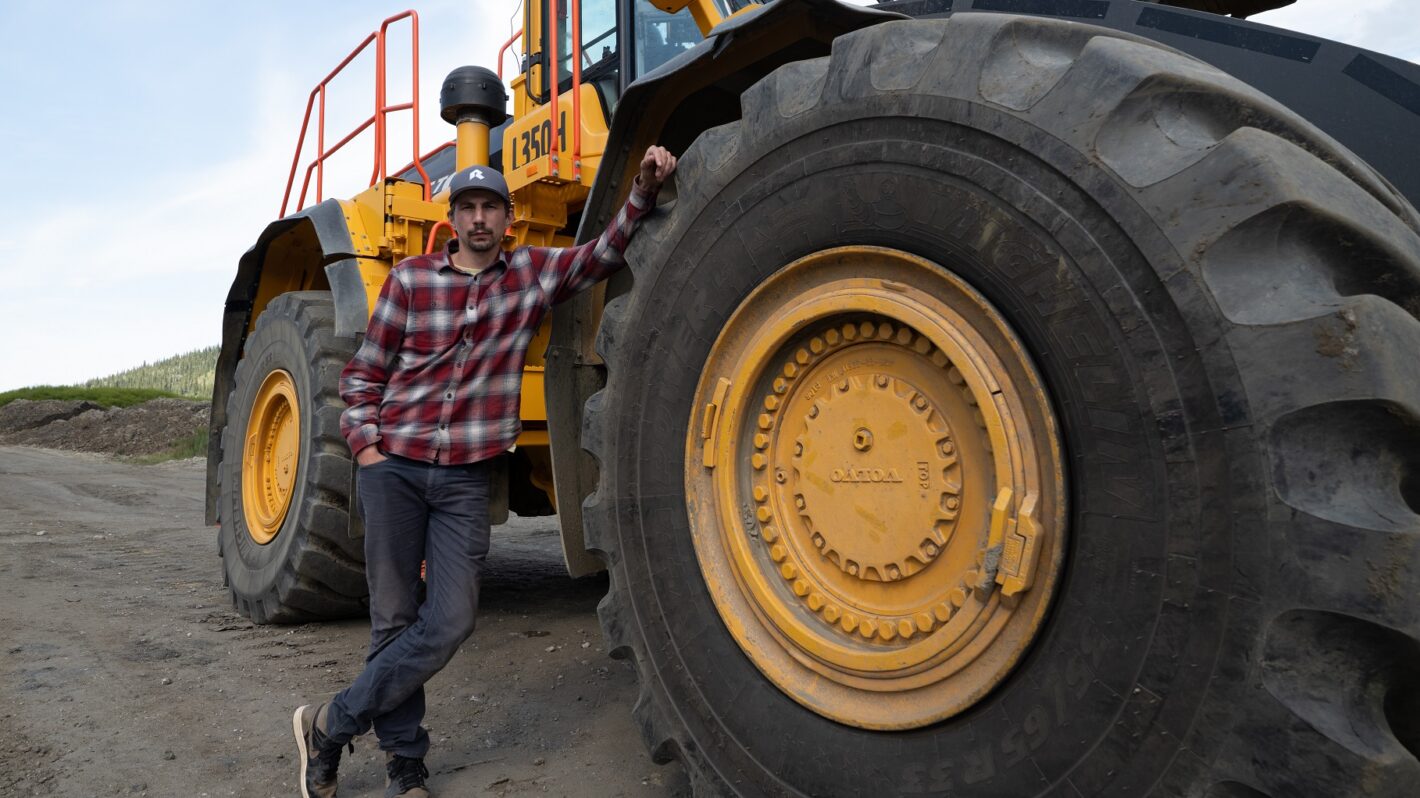
Midway through the 15-mile journey to Dominion, the truck suddenly fails.
What initially appears to be a minor issue quickly reveals itself as a catastrophic mechanical failure—the drive shaft snaps completely, leaving the vehicle immobilized.
There is no quick fix.
Out on the remote mine road, the truck is effectively useless.
For Parker’s operation, the timing could not be worse. The entire Golden Mile push depends on maximizing hauling capacity, and losing even one truck disrupts the flow of material.
What was meant to solve a problem has now made it worse.
A desperate search for a solution
With the situation deteriorating, mechanic Taylor Matea is forced into action.
Unable to repair the truck on site, he returns to Dominion Creek’s boneyard, a collection of old machinery stripped for parts over years of operation.
The odds are low. Most usable components have already been taken.
Still, Taylor searches relentlessly, moving from one machine to another, hoping to find a compatible drive shaft. Each failed attempt increases the pressure, as crews continue working without the capacity they need.
Finally, buried beneath scrap metal and discarded parts, he finds a worn but usable replacement.
It is not ideal.
But it is enough.
A repair that keeps the season alive
Working under intense pressure, Taylor carefully installs the salvaged part. Every adjustment must be precise. A rushed repair could fail again, costing even more time.
After a tense and methodical effort, the moment arrives.
The engine starts.
The truck moves.
It is a small victory, but one with immediate impact.
When the truck finally reaches Dominion, the added capacity allows Tyson’s crew to regain momentum and push forward with renewed urgency.
A fragile recovery as time continues to run out
Despite the successful repair, the situation remains precarious.
The operation is running at its absolute limit. Equipment is under constant strain. Crews are working under relentless pressure.
There is no safety margin left.
One more failure could undo everything.
A season defined by resilience under pressure
For Parker Schnabel, this moment captures the true nature of gold mining.
It is not just about how much gold is in the ground.
It is about how effectively a team can respond when things go wrong.
At Dominion Creek, the challenge is no longer theoretical. It is immediate, physical, and unforgiving.
The gold is still there.
The clock is still ticking.
And whether this bold gamble succeeds will depend not on one breakthrough—but on a series of hard-fought recoveries, made under pressure, one decision at a time.