Oak Island Episode 19: A Hidden Tunnel, Ancient Alignment, and a New Direction

Oak Island Season 13 Episode 19: A Medieval Blueprint Begins to Take Shape
As The Curse of Oak Island reaches a critical point in Season 13, Episode 19 titled Axis of Medieval, the long-running search appears to be entering a new phase. After years of scattered clues and isolated discoveries, the team is now uncovering connections that suggest a far more complex and coordinated operation beneath the island.
Breaking Through: The Solution Channel Finally Reached
After weeks of intense drilling, the team achieves a major milestone by breaking through into the solution channel—an underground void located more than 200 feet below the surface.



This breakthrough changes everything. Instead of drilling through solid ground, the operation shifts to dredging within a submerged cavern. This area is believed to be where earlier shafts collapsed, potentially carrying valuable materials deep into the channel.
The discovery of wood fragments at this depth is particularly significant. It could represent either debris from early search efforts or, more importantly, remnants of an original structure tied to the island’s earliest activity.
A Critical Clue: Wood That Could Redefine the Timeline
The piece of wood recovered from the depths may hold the key to understanding the origin of the Oak Island mystery.
If testing confirms it dates to the 18th or 19th century, it would support the long-standing collapse theory. However, if the material is traced back to the medieval period, it would suggest the drilling has reached something far older—possibly an original deposit site.
This single artifact could determine whether the team is following the footsteps of past searchers or uncovering something untouched for centuries.
The War Room Revelation: A Medieval Alignment
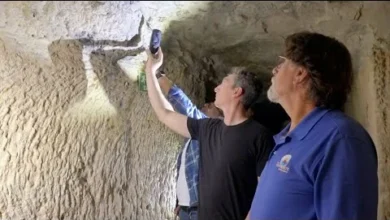
While excavation continues, a parallel breakthrough emerges in the war room. Researchers identify a precise geometric alignment linking Oak Island to three medieval churches in France.
This alignment, measured with remarkable accuracy, points directly across the Atlantic toward Mahone Bay. More importantly, the same pattern appears to align with structures discovered on Lot 5.
The implication is profound. The island may not be the result of random activity but part of a deliberate, mathematically planned system tied to medieval European knowledge.

Lot 5: From Foundation to Geodetic Marker
The circular stone feature on Lot 5, once thought to be a simple foundation, now takes on new meaning. With the confirmed alignment, it may represent a precise marker rather than a residential or military structure.
Such a feature would require advanced understanding of astronomy and geometry, suggesting that its builders were highly skilled and purposeful in their design.
This discovery strengthens the idea that Oak Island was part of a larger network, not an isolated site.
Lot 8: A Possible Entrance to Something Greater
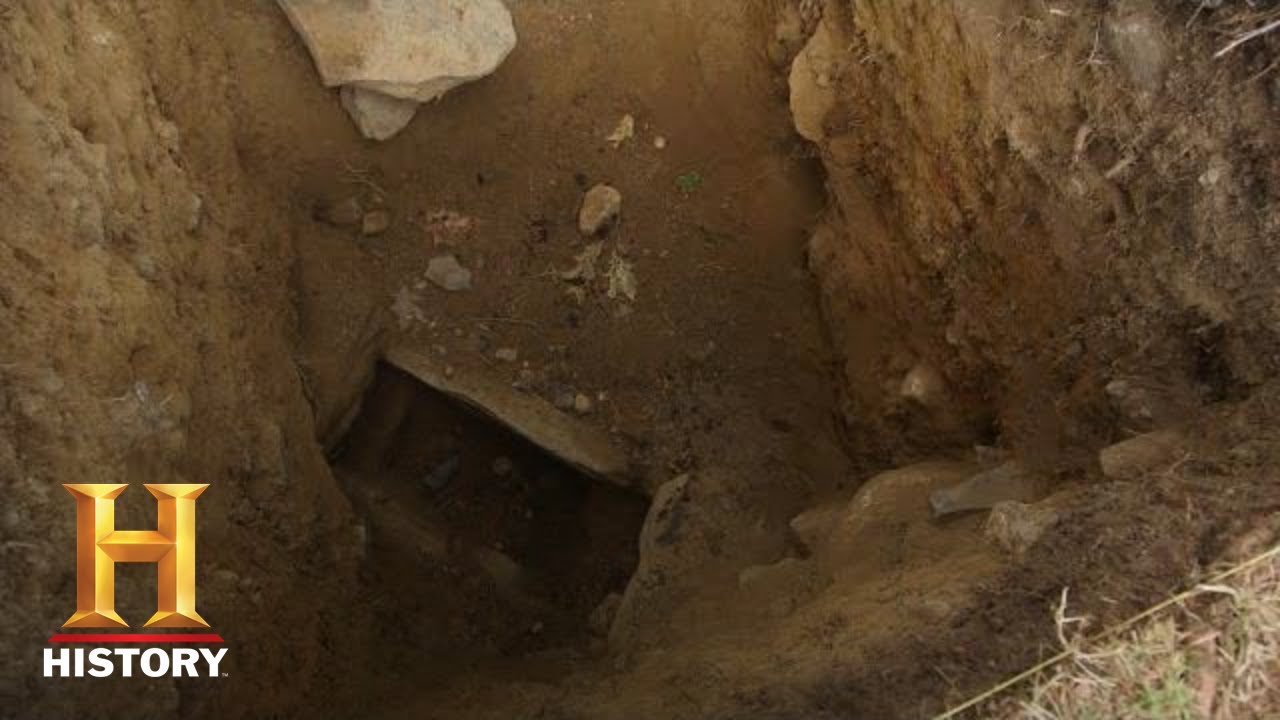
At the same time, excavation on Lot 8 continues to reveal signs of a hidden structure beneath the surface. The area, previously sealed beneath a massive boulder and layered stonework, now appears to conceal a possible shaft entrance.
This supports the “offset chamber” theory—that the visible Money Pit was never the true location of the treasure, but rather a decoy designed to mislead.
If correct, Lot 8 could represent a direct path to a hidden chamber, bypassing the complex flood systems that have blocked previous efforts.
A Connected System Beneath the Island
Taken together, the discoveries on the Money Pit, Lot 5, and Lot 8 suggest something far more ambitious than previously imagined.
Rather than isolated features, these locations may form a connected underground system—designed with precision and built with a clear purpose. The alignment, the engineering, and the placement all point to a coordinated effort rather than random activity.
Scientific Evidence Supports the Theory
Additional support comes from earlier soil analysis, which revealed elevated levels of silver and lead beneath key locations. These findings align with known medieval mining techniques, particularly the use of controlled underground fires for ventilation.
This suggests that whoever constructed these features possessed specialized knowledge of deep excavation and underground engineering.

A Turning Point for the Fellowship
For Rick and Marty Lagina, this convergence of physical evidence and theoretical alignment represents a defining moment.
The scientific data supports the structural discoveries, while the historical connections provide context. For the first time, the search is guided by a cohesive framework rather than scattered clues.
The Challenge Ahead: Limited Time, Multiple Targets
Despite the progress, the team now faces a difficult decision. With major discoveries across multiple sites, resources must be carefully allocated.
Each location—Money Pit, Lot 5, and Lot 8—demands attention, and time is limited as conditions begin to shift.
Conclusion: A New Phase in the Oak Island Mystery
Episode 19 marks a turning point in the Oak Island investigation. The search is no longer defined by isolated discoveries, but by a growing pattern that connects history, science, and engineering.
Whether these findings lead directly to a hidden chamber or simply reveal another layer of the island’s past, one thing is clear—the mystery is becoming more structured, more deliberate, and closer to being understood.