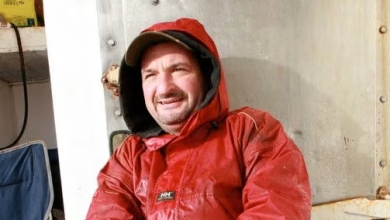
Steering Failure at Sea: A Crisis on the Boundary Line
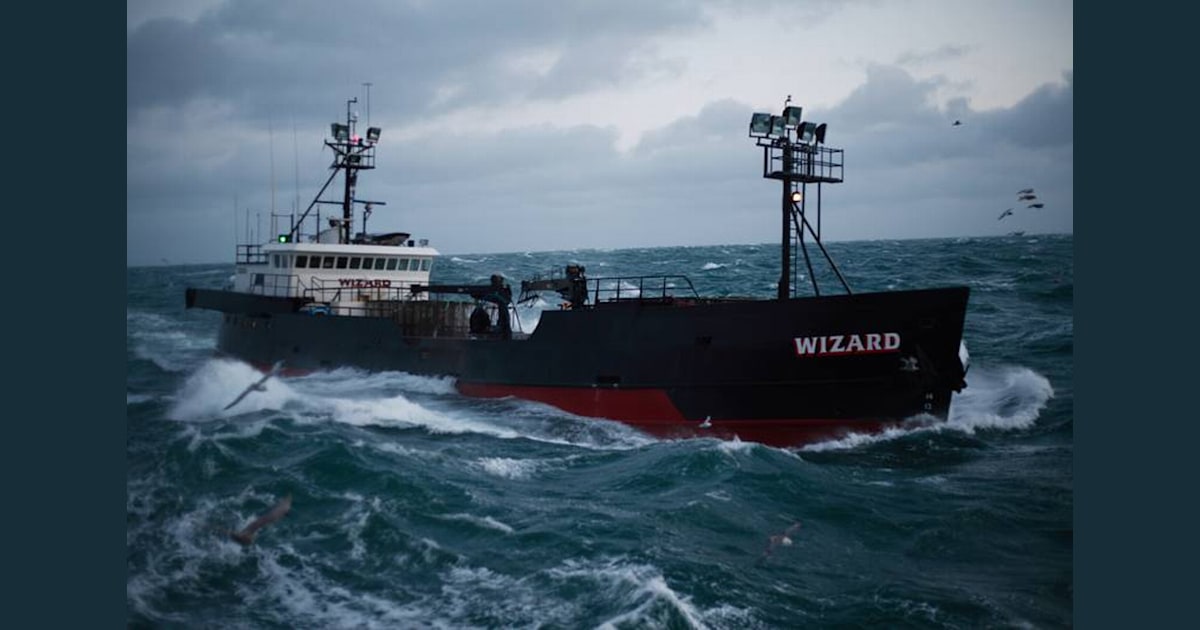
As the vessel approached the 166 line—the invisible boundary separating the eastern and western districts—the conditions began to deteriorate. Seas were building, currents were pushing hard, and the wind was adding to the strain. What should have been a routine push toward the final haul quickly turned into a serious mechanical emergency.
Without warning, the steering failed.
“Stand by, guys. We don’t have any steering.”
The motors were overheating—too hot to touch. Both of them. With no rudder response and worsening weather, the boat was effectively adrift. Time was not on their side. With only days remaining before the cannery closure, every hour mattered.
Improvising in the Galley
Engineer Joe Serpus quickly assessed the situation. Replacing the motor would take at least a couple of hours. That was time they didn’t have—not in rising seas.
Captain Monty proposed a desperate alternative: manually manipulating the rudder post. Down in the cramped steering room, barely four by three feet, they attempted to access the post. It wasn’t possible from there.
So they improvised.
Joe located the top of the steering post—positioned during the vessel’s World War II construction—hidden six inches beneath the galley bench. With welding equipment and raw determination, the crew fashioned a makeshift steel tiller handle directly inside the galley.
The boat would now be steered by hand.
Two crew members braced themselves inside the galley, physically pulling and holding the steel lever to adjust course while Joe worked below to install a new motor. In heavy seas, even a few degrees of correction required strength and coordination.
“They’re steering the boat with a steel makeshift tiller in the galley,” Monty said. “That’s going to get us through the next few hours.”
It was old-school seamanship at its most raw.
Holding Course Through the Weather
For nearly three hours, the vessel continued forward under manual control. The crew held the tiller steady as the boat pushed directly into the weather. Despite the brutal conditions, the improvised solution worked.
“Miraculously,” Monty admitted, “we’re actually able to pull that off.”
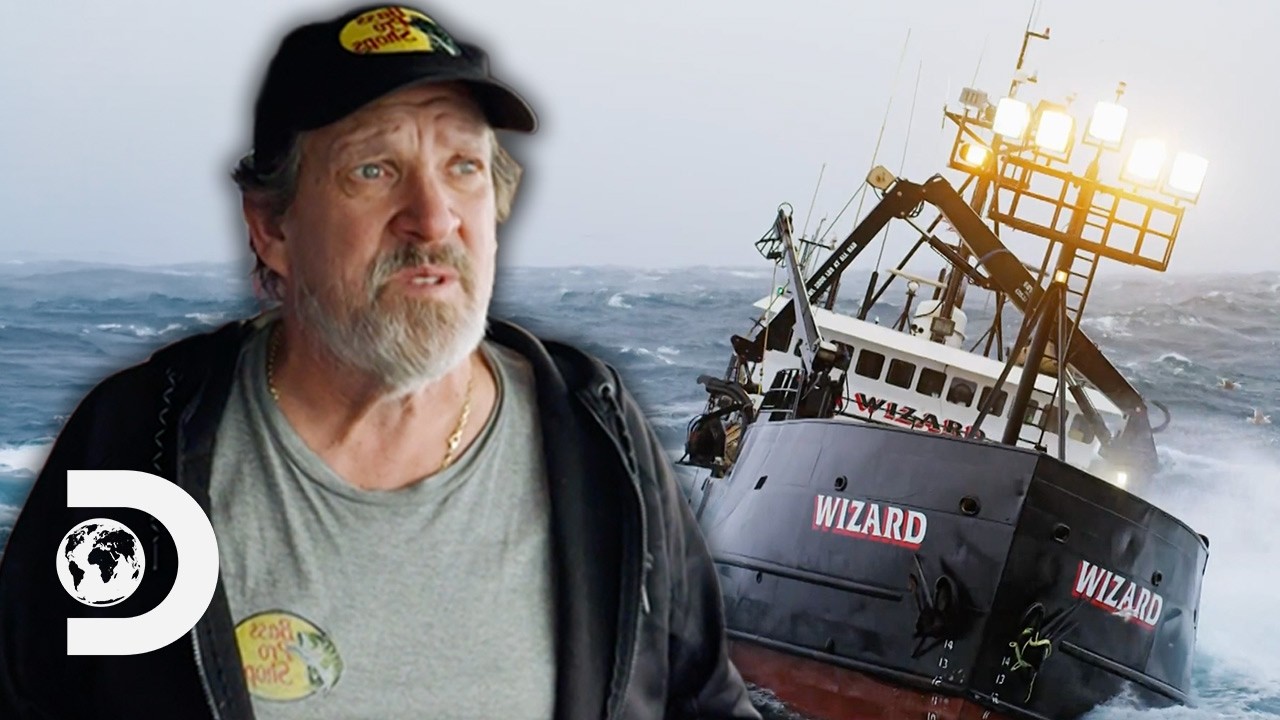
Meanwhile, Joe traced the electrical failure that had knocked out the steering system. A loose connection—likely shaken free by constant vibration—was identified and repaired. A test confirmed it: steering was restored.
Relief spread quickly across the deck.
Racing the Clock to Finish the Season
With steering regained, attention shifted back to the mission. They were 150 miles north of Dutch Harbor and approaching the boundary line where purple-marked gear sat soaking in uncertain waters. The soak time, extended during the breakdown, could either reward them—or cost them.
The first pot came up heavy.
“115.”
It was exactly what they needed.
Momentum returned as they closed in on their target number, determined to tank their quota before delivering and retrieving Captain Keith in Dutch Harbor ahead of the Opilio fishery.
Experience Under Pressure
The steering failure could have ended the trip. Instead, it became a testament to experience, teamwork, and improvisation under pressure. In commercial fishing, mechanical breakdowns are inevitable. How a crew responds defines the outcome.
On this day, in building seas and under tightening deadlines, the crew chose ingenuity over panic.
They steered a steel vessel by hand from a galley bench—and kept moving forward.