Rick Ness Stakes His Claim: Inside The King of Keno and a Defining Moment in the Yukon
In the vast stillness of the Yukon wilderness, where wealth lies buried beneath millions of yards of frozen earth, gold mining remains one of the last true high-risk professions. It is an industry built not only on machinery and manpower, but on nerve — financial, physical, and emotional. In the recent gold rush special The King of Keno, viewers are given a revealing look at Rick Ness during one of the most consequential stretches of his season, a period in which momentum, money, and legacy all hang in delicate balance.
The episode opens not with gold, but with pressure.
At Rick’s Vegas Valley Extension claim, the crew begins another long day stripping overburden — the vast layers of dirt and gravel that must be removed before reaching the gold-bearing pay beneath. It is grueling, repetitive work, and at this stage of the season it generates no immediate return. With operating costs hovering near $10,000 per day and roughly $700,000 already invested in the ground, Rick is effectively burning cash while betting on what lies below. A recently secured water license extension has bought him time, but not certainty.


The financial strain mirrors the physical challenges. A punishing washboard access road begins to take its toll, shaking trucks and equipment relentlessly until a rock truck loses its tailgate, instantly reducing hauling capacity and forcing emergency repairs. Such setbacks are routine in mining, yet they underscore what Rick calls the “hidden tax” of the industry — the constant wear, unexpected breakdowns, and creeping costs that erode both budgets and morale.
Rather than simply react, Rick adjusts. Recognizing that portions of the overburden consist of quality gravel, he redirects trucks to resurface the damaged road while continuing to strip ground. It is a practical move that prevents wasted effort and protects expensive machinery. In mining, inefficiency can be fatal. Moving dirt twice, as Rick bluntly notes, is a mistake no operator can afford.
While still weeks away from full production, Rick makes another calculated decision: a major overhaul of his wash plant, Monster Red. The pre-wash system is rebuilt, and new screen decks are installed — a costly investment before any steady gold recovery has begun. Yet postponing maintenance could risk catastrophic failure later in the season, when time becomes even more precious.
Unexpectedly, the teardown produces a small but meaningful reward. During cleanup beneath the old mats, crew member Ryan uncovers a concentration of trapped gold and black sand. Two buckets of concentrate yield just under five ounces — worth roughly $15,000. Though the amount does not fully offset the repair costs, it comes close. More importantly, it provides psychological reinforcement at a moment when reassurance is valuable. The ground, at least in small measure, is proving itself.
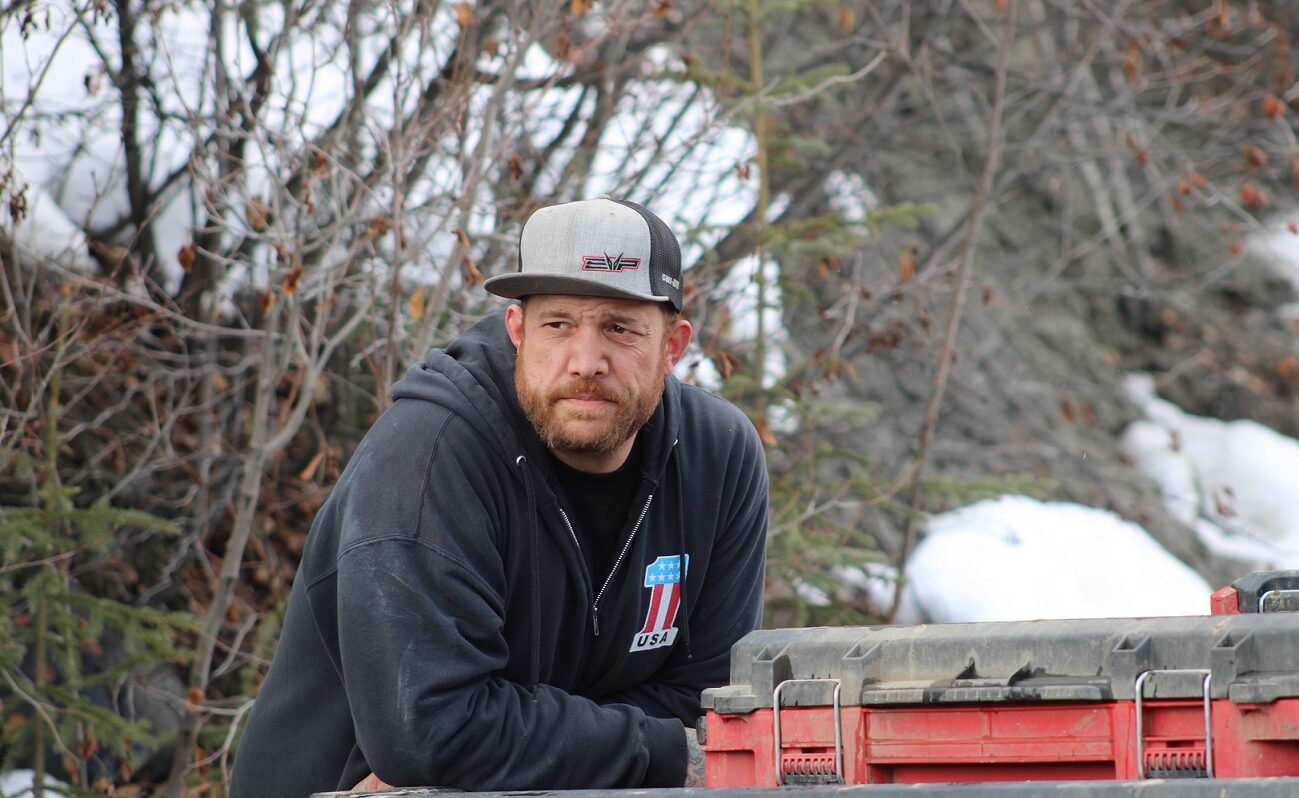
Interwoven with the operational challenges is a quieter reflection from Rick himself. Long before mining defined his life, he was a touring musician, playing bass guitar across international stages. It has been more than a decade since he last pursued music seriously. A chance opportunity to join Parker Schnabel’s mining crew set him on a radically different path, one that has since consumed 13 years of labor, risk, and isolation. For Rick, the pursuit of gold is not merely about accumulation. It is about eventual freedom — the possibility that one strong season might allow him to reclaim time, balance, and perhaps even music.
The episode’s most dramatic development, however, unfolds far from the wash plant.
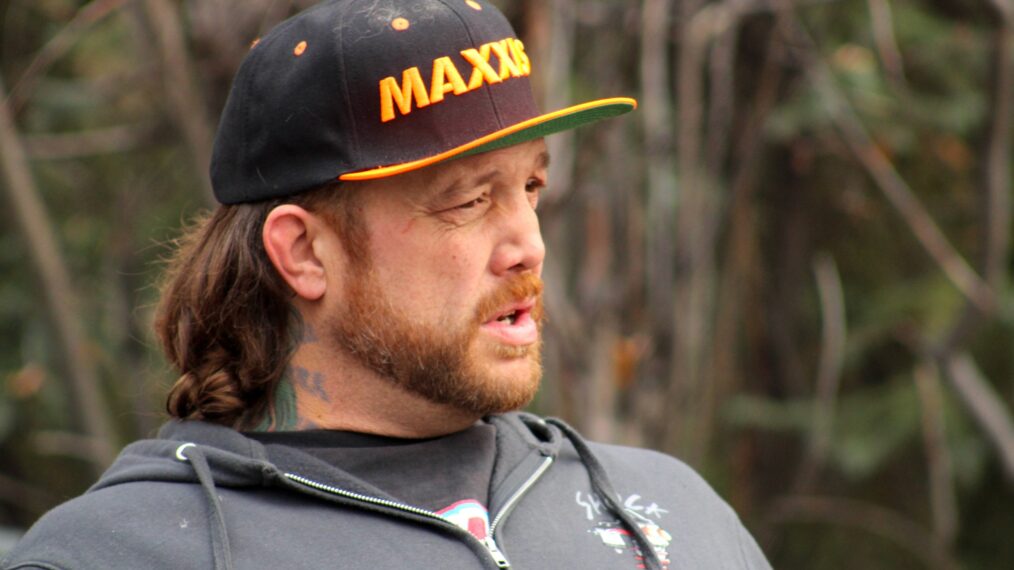
For six years, Rick has monitored a narrow strip of ground wedged between his existing claims. The late miner Mel Zylstra, who extracted thousands of ounces from Duncan Creek over four decades, had long insisted that the wedge held significant gold potential. When the claim finally becomes available at midnight, Rick acts immediately. What follows is an echo of the Klondike era: a physical staking in the dark.
Navigating by GPS through remote bushland marked by wildlife signs and abandoned trapper trails, Rick and his crew work against both terrain and time. The law requires him to stake the claim personally. As they move through dense brush and unstable ground to position posts, tension escalates further when the distant sound of a chainsaw signals that another miner may be attempting the same ground. The task shifts from routine procedure to urgent race.
Hours later, the fourth and final post is driven into the earth. Exhaustion replaces adrenaline, but uncertainty remains until the paperwork is filed and approved. Only the next morning does confirmation arrive: the claim is officially secured. With its addition, Rick controls more than 3,600 acres, making him the largest landholder in the Keno area.
The timing of the approval coincides with the gold room results from the earlier cleanup — the nearly five ounces recovered from Monster Red’s teardown. The combined effect is both symbolic and strategic. In a matter of days, Rick has improved infrastructure, reinforced his primary wash plant, recovered surprise gold, and expanded his territory.
Back at camp, a small gesture underscores the moment’s emotional weight. A handmade crown, gifted by Heather’s daughter, playfully names him the “King of Keno.” Rick accepts it with a laugh but remains characteristically restrained. Titles matter less to him than steady progress. His stated goal for the season remains unchanged: 1,800 ounces.
Whether that target is achievable will depend not on symbolism, but on execution. The improved roads must hold. Monster Red must run reliably. The newly acquired claim must justify its promise. In the Yukon, momentum can shift as quickly as the weather.
The King of Keno ultimately presents more than a sequence of operational milestones. It offers a portrait of modern placer mining as a complex blend of heavy industry, financial exposure, and deeply personal ambition. Rick Ness stands at the center of it — a former musician orchestrating crews and machines instead of melodies, wagering capital and time in pursuit of something larger than gold alone.
The crown may be metaphorical, but the stakes are not. In the Yukon, sovereignty is measured in ounces — earned one careful cut, one repaired machine, and one calculated risk at a time.