Rising Seas on the Northwestern
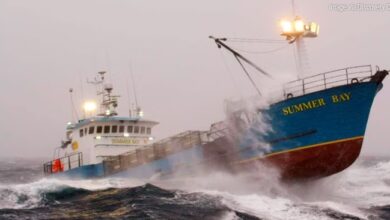
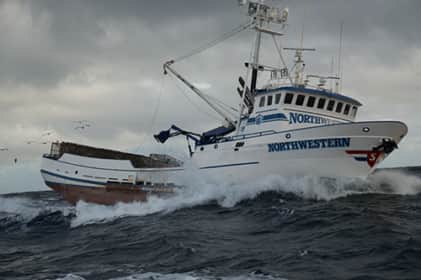
Aboard the Northwestern, conditions are deteriorating fast. Swells are forecast to reach 18 to 22 feet, with winds pushing beyond 40 knots and gusts climbing higher. When strong westerlies collide with a steep underwater ledge and four-knot tides, the sea becomes unstable and unpredictable.
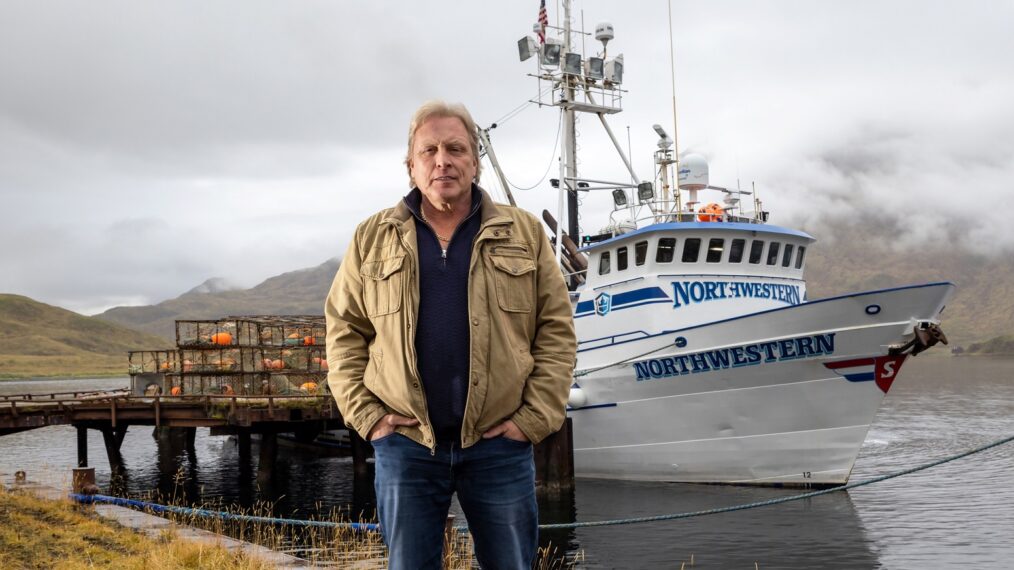
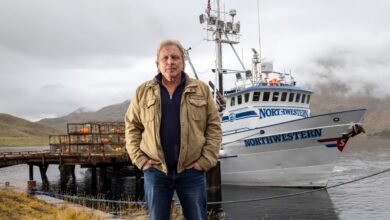
Captain Sig Hansen knows time is working against him. His goal is clear: haul the final 25,000 pounds of Opilio crab before wave heights surge past the point of safety. Every hour matters.
Racing the Weather
The first pots come up under heavy strain. The deeper the gear is set, the more pressure builds on the line. At 90 fathoms, the crew feels the tension immediately. Early returns are disappointing—light numbers, not enough to justify the risk.
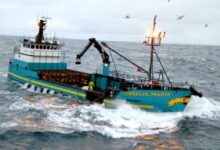
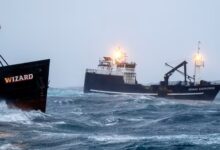
But moving deeper begins to change the picture. Bigger crab start appearing, confirming Sig’s instincts. Still, the surge grows stronger with each adjustment, and the margin for error shrinks.
A Sudden Injury on Deck
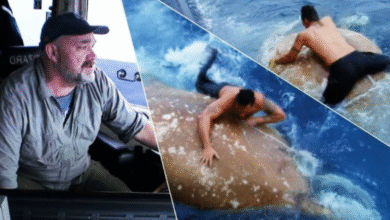
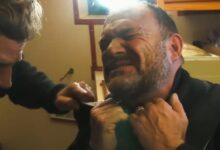
As one pot is hauled, the line snaps violently from the block. In less than a second, the force whips across the deck. Crewman Clark is struck hard in the jaw.
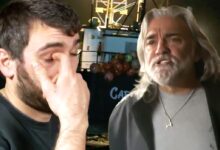
Blood appears almost immediately. His teeth ache, his jaw throbs, and the impact leaves everyone shaken. It’s the kind of moment that reminds the crew how quickly routine work can turn dangerous in heavy seas.
Clark insists he can continue, though the pain is obvious. Sig checks in, weighing the situation carefully as the crew prepares to haul again.
Deeper Water, Better Returns
Despite the incident, the next pot delivers strong numbers. An 83-count confirms that the deeper sets are producing. The results justify the risk, but the conditions continue to worsen.
Sig faces a difficult decision. Going deeper increases both potential reward and danger. Staying shallower reduces strain, but may cost valuable catch. With limited time left, he commits to a cautious adjustment rather than pulling back entirely.
A New Strategy to Stay Safe
By morning, the swells have grown close to 30 feet. The tide now runs opposite the wind, creating extreme tension on every line. This is when equipment failures and injuries are most likely.
To reduce risk, Sig changes his approach. Instead of hauling straight up, he begins turning the vessel in controlled loops around each pot, easing pressure on the block and keeping the line stable.
It’s slower, but safer.
Holding the Line
The crew adapts quickly, working through pain, fatigue, and mounting seas. Clark keeps his face clear of the danger zone, determined to finish the job. The boat continues hauling under punishing conditions, with each pot demanding full attention.
For Captain Sig, this stretch is about endurance and judgment. The crab are there—but the ocean is making it clear that nothing comes easily.
And on the Bering Sea, every decision has consequences.