What the Team Found Under This Rock Suggests It Was Meant to Conceal Something

A Suspicious Boulder Draws Renewed Attention on Oak Island
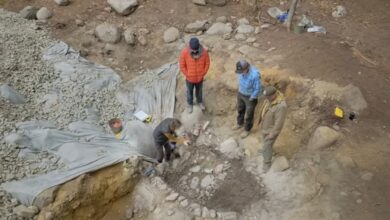
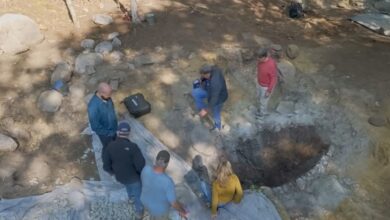
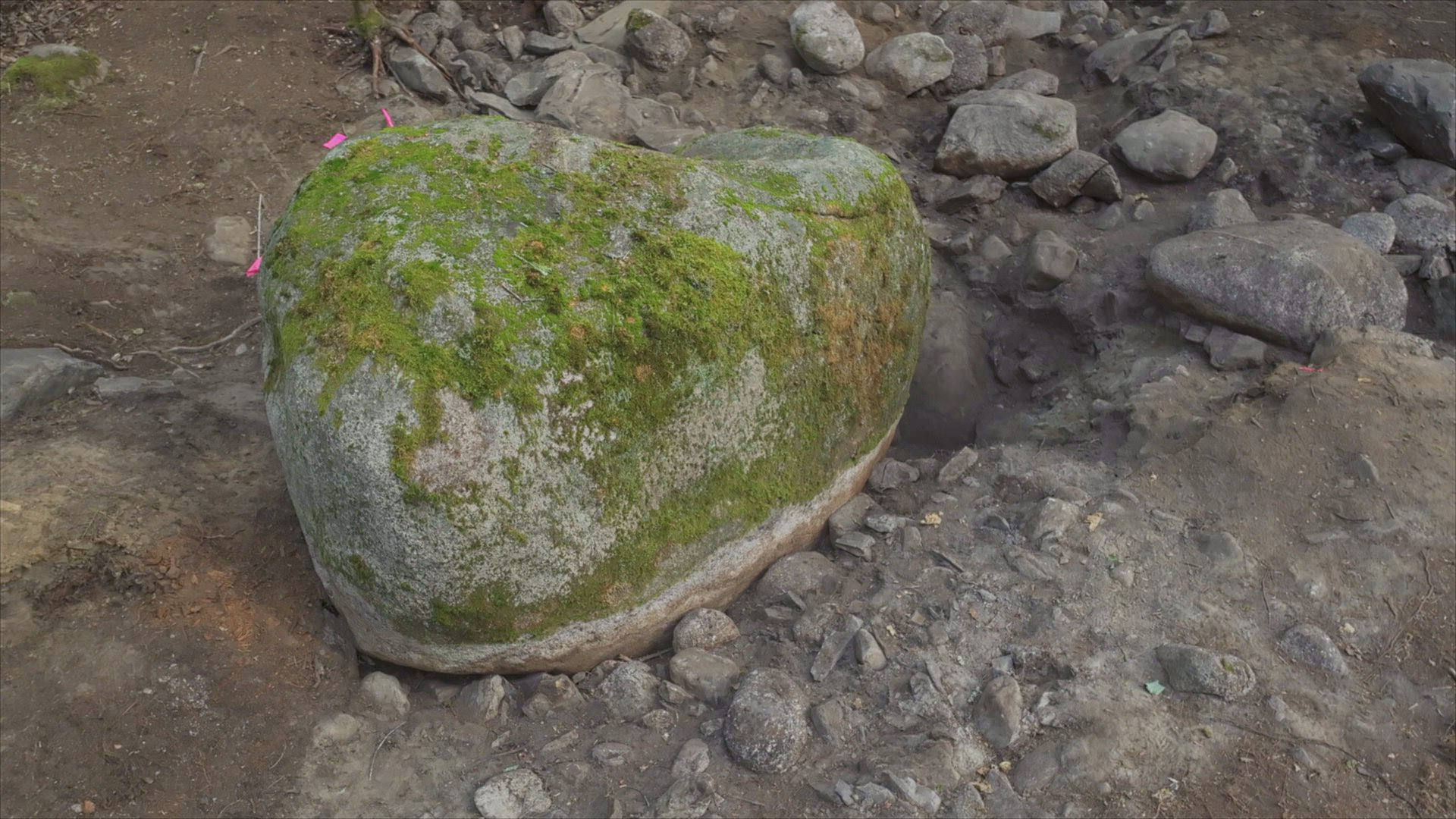
On Lot 8 of Oak Island, Rick and Marty Lagina, alongside Craig Tester and the rest of the team, returned to a site that has increasingly raised questions about human activity beneath the surface. At the centre of the investigation is a massive boulder resting on a carefully arranged base of smaller, evenly spaced stones—an arrangement that strongly suggests deliberate placement rather than a natural formation.
Recent excavation around the feature revealed a trench extending well below the base of the boulder, filled with rubble. Archaeologists confirmed the trench was man-made, reinforcing the idea that someone intentionally worked beneath the rock centuries ago.

Voids Beneath the Rock Hint at Hidden Activity
Using a camera lowered into small cavities under the boulder, the team identified clear voids beneath the stone. These spaces appeared engineered rather than accidental, prompting discussion about whether the boulder functions as a plug or seal rather than a simple obstacle.

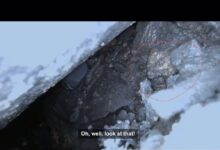


Team members noted that tunnelling beneath the rock alone could have been the work of earlier searchers. However, deliberately sealing something beneath it would point to a far more intentional act—one that predates modern exploration of the island.
Nearby Artifacts Strengthen the Timeline
The boulder does not exist in isolation. In the surrounding area, the team has previously recovered chain links estimated to be around 500 years old, along with an English bag seal believed to date back approximately 700 years. These finds suggest organised activity tied to trade and transport, rather than casual or temporary use of the land.
The proximity of these artifacts to the boulder adds weight to the argument that this area played a specific role in a larger operation.
A Textile Discovery Sparks New Questions
While carefully removing stones near the boulder, Craig Tester noticed a fragment of red material embedded beneath one of the rocks. Archaeologists identified it as a textile, possibly caught or torn during the movement of the heavy stones.
Laboratory analysis revealed that the fabric was wool, confirmed through CT scanning and burn testing. The wool fibres showed characteristics consistent with historic manufacturing techniques rather than modern materials.
Links to Medieval Wool Production in England
The wool discovery took on added significance when compared with a previously recovered bag seal bearing a sheepskin symbol linked to Leeds, a major centre of wool production dating back to the 1300s. The combination of wool textile and trade-related seals suggests a possible connection to medieval-era activity with access to established European supply networks.
Experts noted that even if the textile fragment was introduced later, it still postdates the construction of the stone feature—meaning the structure itself must be older.
Careful Excavation Planned Beneath the Boulder
To move forward safely, the team agreed to remove several surrounding boulders using heavy equipment, allowing archaeologists to continue digging by hand beneath the main stone. Extreme caution is being taken to preserve context and avoid disturbing potential evidence.
Researchers believe that further excavation beneath the boulder may provide critical insight into who was present on Oak Island, when they were there, and why such effort was invested in constructing and concealing this feature.
A Growing Pattern of Intentional Design
Taken together—the engineered stone arrangement, the trench, the voids, the historic chain links, and the wool textile—the evidence increasingly points to deliberate planning rather than coincidence. Each discovery adds another layer to a pattern that suggests purposeful construction and concealment.
As excavation continues, the team hopes that what lies beneath the boulder will help clarify the origins and intent behind one of Oak Island’s most intriguing locations yet.