Freddy And Juan Can Find Gold Anywhere And Everywhere! | Gold Rush: Mine Rescue With Freddy And Juan

Overview: A Family Dream on the Clock
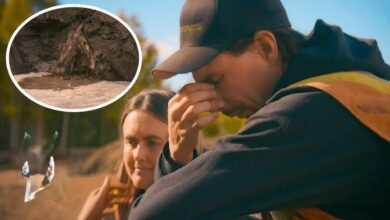
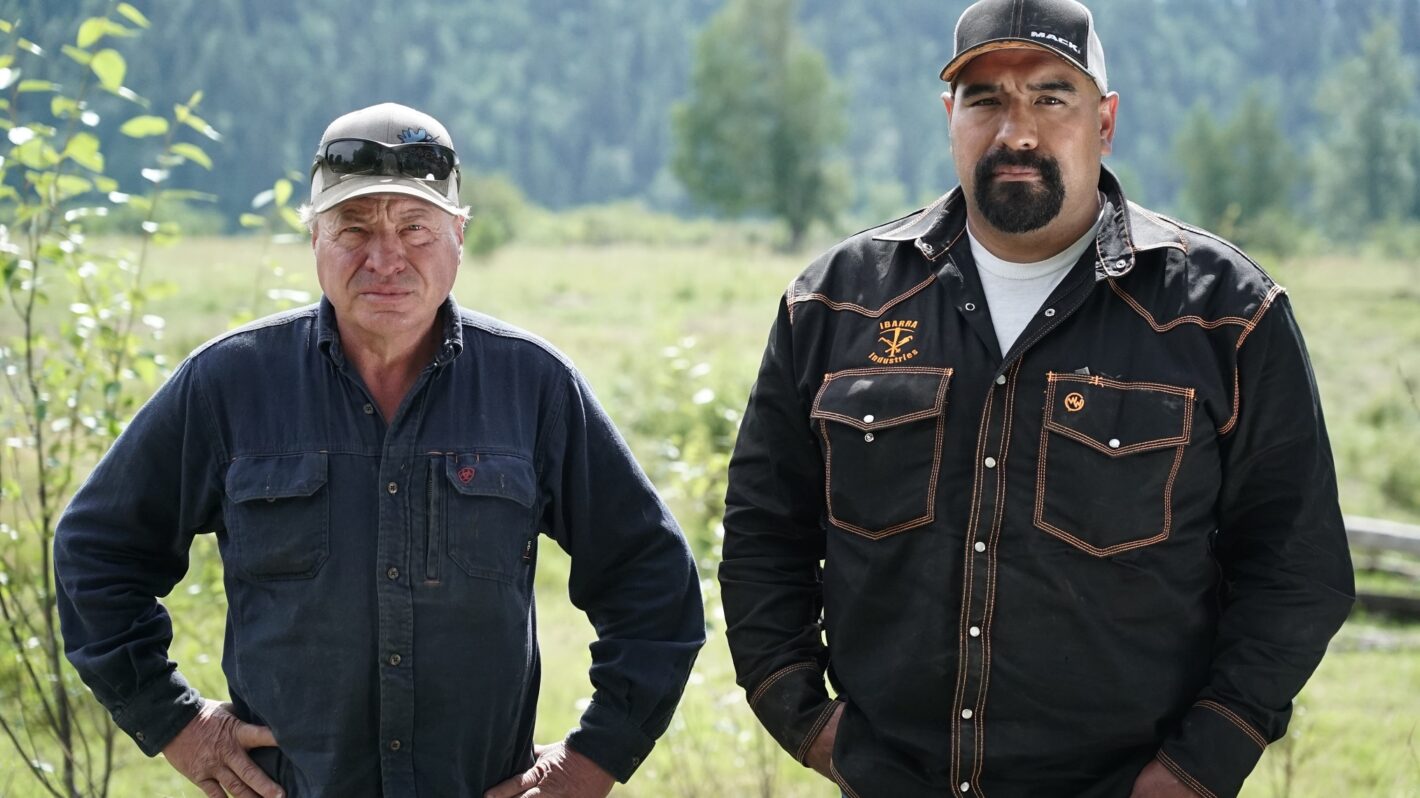
Freddy Dodge and Juan Ibarra get an urgent call to Abu Creek in Canada’s Caribou Gold Fields, where the multi-generational Adams family are trying to turn a remote claim into a working homestead and a profitable mine. With only 12 weeks left in the season, repeated shutdowns and weak recovery have put the entire plan at risk.

The Problem: Breakdowns, Bottlenecks, and Poor Recovery
The family has barely been able to run consistently. They report only a handful of productive hours this season, with constant mechanical issues—especially around the conveyor, feeder, and trommel flow. Early results suggest they are set up to catch coarse gold while fine gold is slipping through, meaning they are doing the work but not keeping the value.
First Test: Four Hours, Half an Ounce
With Freddy delayed by a breakdown on the road, Juan begins the assessment and immediately spots signs the plant is being overfed and unevenly distributed across the sluice. Once Freddy arrives, they confirm the core issue: most material is rushing down one side, riffles are packing up, and gold is washing off the end.
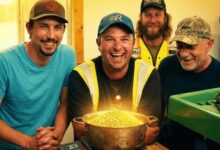
The first serious test run produces about 0.5 oz in four hours, a return that is far below what the operation needs to justify fuel and daily wear.




The Plan: Two Key Fixes and a Deal
Freddy and Juan outline two priority upgrades:
- A larger hopper to stop spillover and increase yardage throughput.
- A reworked sluice setup designed to capture fine gold as well as coarse gold—using expanded metal, new carpets, better riffles, and a simpler lock-down system for faster cleanups.
They also make a practical deal: the family covers roughly $3,500 in materials, and Freddy and Juan take their labor fee as gold at the end of the season.
Rebuild Phase: Fabrication Under Weather Pressure
Juan designs and fabricates the new hopper while Freddy focuses on the sluices, replacing the clunky hold-down hardware with wooden wedges and improving durability with sealing work to prevent cracking. Weather becomes a serious threat—cold rain and even early snow show how quickly the season can close in.
A Second Site Call: When the Dirt Itself Is the Issue
In parallel, Freddy and Juan also face a different kind of challenge at other struggling claims: plants that need tuning, but—more critically—ground that simply is not paying. The point is repeated in blunt terms: no amount of optimization matters if the pay isn’t there.
Final Test: Full Four Hours, Nearly Two Ounces
Back at Abu Creek, the upgraded system finally gets a clean run. With the conveyor repositioned, feeding steadier, and material distribution corrected, the wash plant runs smoothly for a full test window.
The final weigh-in lands at about 1.93 oz in four hours, a major improvement over earlier performance and enough to project a viable daily target if they can maintain the pace across full shifts.
What It Means: A Path Toward a Real Season
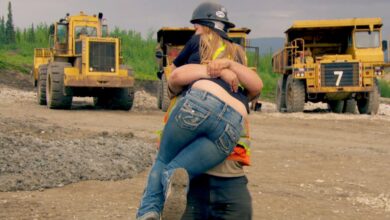
The results give the Adams family something they have not had all season: momentum. The plant is now capable of pushing more material without losing recovery, and the fine-gold capture improvements raise the floor on every run. With weeks still left, the upgrades turn the homestead plan from a fading idea into something they can realistically build around—if the ground stays consistent and the equipment keeps running.