Mitch Blaschke’s Absence: What It Really Means for Parker Schnabel’s Evolving Mining Operation

Why Mitch Blaschke’s Decreased Screen Time in Gold Rush Season 16 Reflects Parker Schnabel’s Evolution
As Gold Rush moves into its most ambitious season yet, attention has naturally gravitated towards Parker Schnabel and his monumental efforts to hit an ambitious production target. With gold prices soaring and multiple wash plants working in full force, Season 16 has the makings of a landmark year.
But amid the buzz of activity and the relentless pressure to produce, long-time viewers have noticed a subtle shift: Mitch Blaschke, one of the most trusted and essential members of Parker’s crew, has been much less prominent on-screen this season.
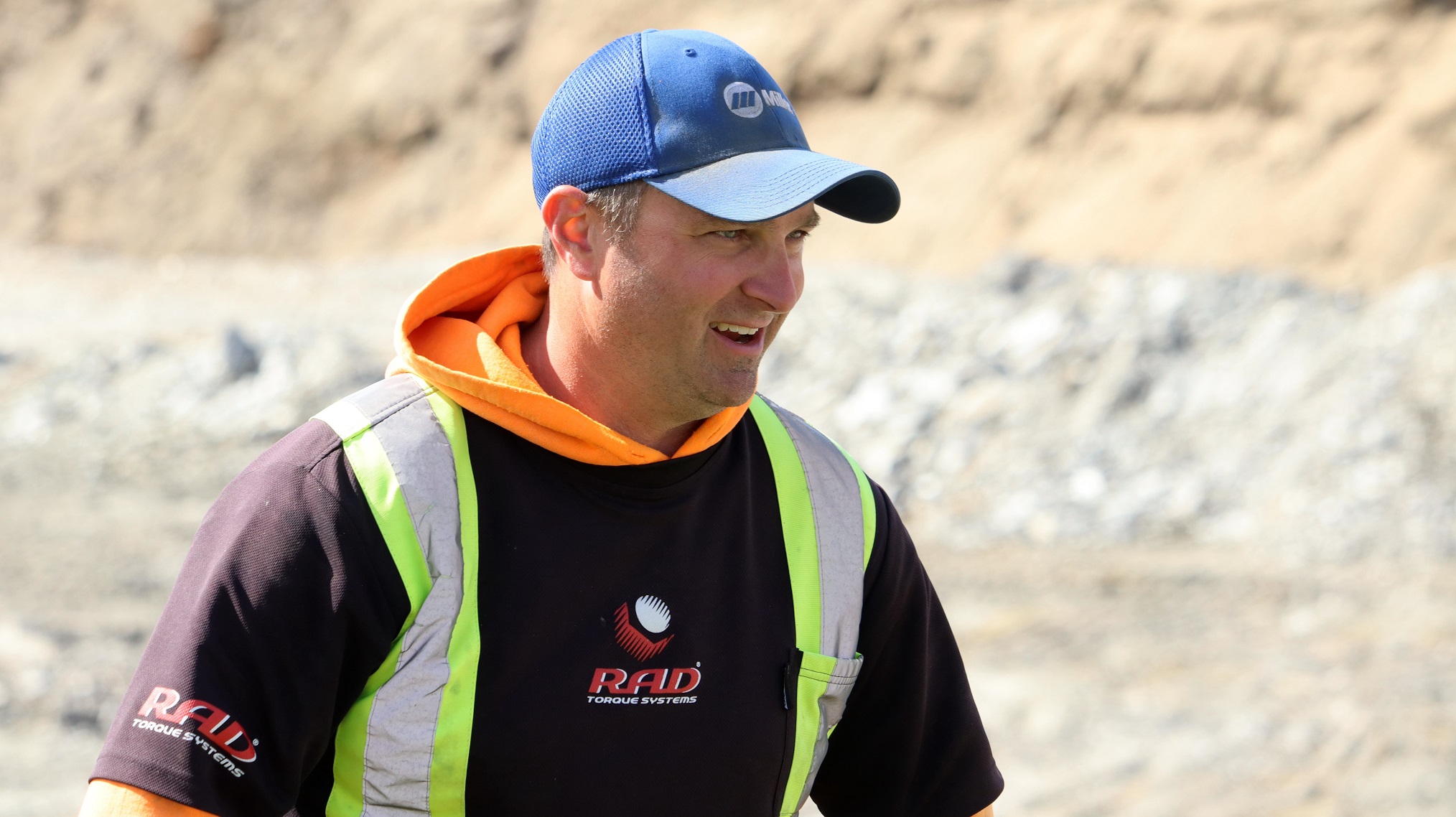




For fans familiar with the show’s history, this absence feels peculiar. Mitch was never just another crew member—he was a stabilizing force in Parker’s operation. Often functioning as a mechanic, foreman, and problem-solver, Mitch was there when equipment broke down, when gold recovery slowed, or when deadlines loomed large. His hands-on role made him a frequent presence on-screen, especially in moments of crisis.
So, what’s changed? Has Parker shifted his trust elsewhere? The reality is far more telling about the evolution of both Parker’s operation and the Gold Rush narrative itself.
The Changing Structure of Parker’s Operation
Season 16 marks a departure from how Gold Rush has operated in the past. To meet the challenges of an ambitious production target, Parker has had to restructure his operation. The old model of managing everything from one central crew simply wouldn’t suffice. This season, Parker divided his operation into multiple semi-independent units, each with its own leadership and responsibilities.
Mitch Blaschke and Brennan Ruault were put in charge at Indian River, while Tyson Lee was given control over the Dominion Creek and Golden Mile sites. Parker, instead of being deeply involved in every detail, took on a more strategic role. As an overseer, he monitored totals, made high-level decisions, and stepped in only when a significant problem arose.
This shift in structure provides a simple explanation for Mitch’s reduced screen time: he’s no longer required to step in for constant emergency fixes. When Mitch appeared frequently in past seasons, it was often because something had gone wrong—broken equipment, low gold recovery, or looming failure. In Season 16, Indian River has largely run smoothly. With fewer crises, Mitch’s role has become more about steady leadership, ensuring the site runs efficiently without the dramatic flare-ups that make for compelling TV.
The Focus Has Shifted
Gold Rush has always thrived on moments of tension—on-screen drama generated by critical breakdowns or moments of impending disaster. But in Season 16, the show’s focus has shifted. Rather than asking whether Parker can keep things running, the central question now is how Parker can maintain such a vast operation. Financial risks, long-term planning, and scaling the operation have become key narrative themes.
That shift has naturally brought other characters into the spotlight, particularly Tyson Lee. This season, Tyson’s role has evolved from a trusted operator to a leader making high-stakes decisions that affect not just production but his crew’s livelihood. With Parker intentionally pushing Tyson into positions of greater responsibility, viewers get to see how the next generation of leaders is developing in Parker’s growing mining empire.

Mitch’s Quiet Confidence
Despite his reduced visibility, Mitch Blaschke’s value remains intact. In fact, his absence from the limelight may actually be a testament to the trust Parker places in him. Mitch is no longer the person Parker needs to constantly oversee on-screen. Instead, his leadership role has evolved into one of embedded, quiet authority.
Parker’s operation, once fragile and dependent on constant intervention, has become more stable and self-sufficient. Mitch’s lowered profile simply reflects that the mining operation can now function smoothly without the immediate need for constant hands-on involvement from the central crew. Mitch’s steady work behind the scenes is what keeps Indian River running, while the cameras focus on other areas of greater tension or need.
What This Says About Parker’s Growth
Mitch’s absence from the spotlight isn’t a sign of diminishing importance. On the contrary, it signals Parker’s growth as a leader. By spreading the responsibility across trusted figures like Mitch, Tyson, and others, Parker has developed a team that can function autonomously and efficiently. If Season 16 hits its ambitious gold target, it won’t just be remembered for the numbers. It will be remembered as the season where Parker’s operation fully matured.
Mitch’s presence, though quieter than in previous seasons, is integral to this success. His steady hand ensures that one part of the operation continues to function without drama, proving that sometimes the most important work in Gold Rush happens off-screen.
A New Chapter for Gold Rush
Ultimately, Season 16 is not just about the gold. It’s about the evolution of Parker Schnabel’s leadership and the transformation of his operation from a single crew to a network of skilled leaders. Mitch’s reduced screen time isn’t a problem; it’s evidence that Parker’s team has reached a level of professionalism and self-sufficiency. As the show continues, it will be interesting to see how other crew members step up to take on larger roles, pushing the boundaries of what’s possible in the unforgiving world of gold mining.
Mitch Blaschke’s role in Gold Rush is more important than ever, even if the cameras aren’t always capturing every detail. His absence from the drama-filled scenes may be the clearest sign that Parker’s operation is running like a well-oiled machine—one that doesn’t need to rely on crisis to survive.