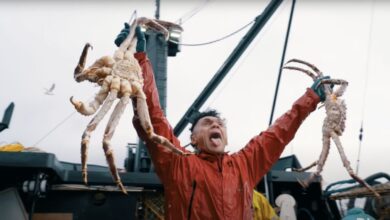
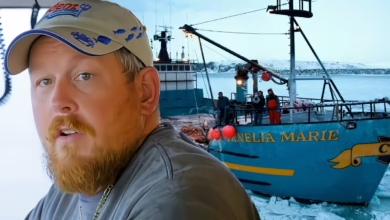
Deadliest Catch Salaries Uncovered: What Captains Earn for Risking Everything
For millions of fans, Deadliest Catch offers high-octane drama as brave crab captains navigate the icy waters of the Bering Sea, battling brutal storms and grueling conditions. But beneath the thrilling action, there’s one crucial question many fans wonder: How much do these captains earn for putting their lives on the line every season?

The Bering Sea: The World’s Deadliest Workplace
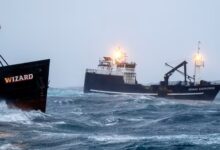
Crab fishing on the Bering Sea is one of the most dangerous jobs on Earth. Every day, captains and crews face:
- Unpredictable and violent storms
- High seas with massive waves
- Life-threatening mechanical failures
- The pressure to meet quotas under time constraints
A single mistake can sink a boat, destroy valuable equipment, or, worse, result in the loss of a life. The dangers of hypothermia, rogue waves, falling overboard, and fires are ever-present, and this risk influences how captains are paid.


The “Lay” System: How Captains Really Make Money
Instead of a traditional salary or hourly wage, crab fishing pay works on a “lay” system, where captains earn a percentage of the catch. Here’s how it breaks down:
- Captains typically earn 15% to 20% of the total catch.
- Deckhands earn 3% to 8%, depending on their experience and role.
- Greenhorns receive a smaller share, often based on performance.
A successful season for a captain on a mid-sized boat can mean earnings of:
- $100,000 to $200,000 for a solid king or opilio crab season.
In a record-breaking year, this figure can jump to:
- $300,000 to $500,000 for top-performing captains.
However, not every season is lucrative. Poor crab numbers, quota cuts, lost gear, or unforeseen storms can significantly reduce earnings. Captains also bear responsibility for:
- Crew pay
- Fuel costs
- Bait
- Insurance
- Repairs and maintenance
At times, even with all the effort, captains might end the season barely breaking even.

The True Price: Physical, Emotional, and Mental Strain
While the figures may seem lucrative, the price of such earnings is steep. Captains endure:
- 30–40-foot waves and harsh weather
- Weeks without sleep, pushing their physical and mental endurance
- Frostbite and injuries like broken ribs or crushed limbs
- Months away from family, experiencing constant stress
- The emotional toll of witnessing crew members at risk
With the constant risk to life, many captains admit that no amount of money can truly make the job worth the dangers they face.
Why Some Captains Earn More Than Others
Experience and knowledge set apart the elite from the rest. Captains like Sig Hansen, Keith Colburn, Wild Bill Wichrowski, and Jake Anderson leverage decades of expertise to:
- Track crab migrations
- Forecast weather patterns
- Maximize quotas
- Navigate prime fishing grounds
- Maintain experienced crews
Additionally, captains diversify their operations. Many fish:
- Red King Crab
- Opilio Crab
- Bairdi Crab
- Cod
- Salmon
Some even manage tendering boats, helping to stabilize their income by working across multiple species and seasons.
Television Pay: Is the Show the Real Payday?
While Deadliest Catch is one of the most iconic reality shows, the pay for appearing on the show isn’t as high as many assume. While captains do receive additional income from being on the show, it remains supplemental and is not their primary source of income. For most, the lion’s share of earnings still comes from the actual fishing season and the bounty they pull in from the sea.
High Risk, High Reward — But No Guarantees
While the earnings can be substantial, the risks are monumental. Every dollar earned comes at a heavy cost:
- Sleepless nights
- Dangerous weather
- Grueling labor
- Life-or-death decision-making
For these captains, the Bering Sea rewards courage and punishes mistakes. As viewers cheer from the comfort of their homes, the captains continue to risk everything for that next big haul, the next paycheck, and the next season.
In crab fishing, the real cost is not just measured in money. It’s measured in survival.