Why Mitch Blaschke Is Less Visible in Gold Rush Season 16, The Real Reason Mitch Blaschke Has Stepped Out of the Spotlight in Gold Rush Season 16

Why Mitch Blaschke Has Faded From View in Gold Rush Season 16 — And What It Really Says About Parker Schnabel’s Operation
As Gold Rush moves deeper into one of its most ambitious seasons, attention has naturally centred on Parker Schnabel and his attempt to reach a production target that once seemed unattainable. With gold prices high and multiple wash plants operating at the same time, Season 16 carries all the hallmarks of a landmark year.
Yet amid the scale and momentum, long-time viewers have noticed a quieter shift. Mitch Blaschke, one of the most familiar and dependable figures in Parker’s operation, is appearing far less frequently on screen.
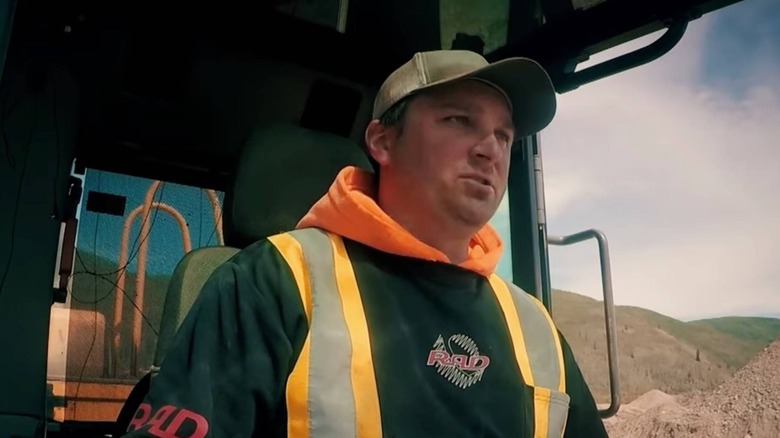
For fans who have followed the series over many years, that absence feels unusual. Mitch was never just another crew member. He evolved into a stabilising presence — a hybrid of mechanic, foreman, and problem-solver — often stepping in when wash plants failed, gold recovery dipped, or deadlines closed in. In earlier seasons, his screen time was constant precisely because his role was critical. When something broke, Mitch was usually the one fixing it.




That history has fuelled speculation. Has something changed behind the scenes? Has Parker shifted his trust elsewhere? The reality, however, appears far more revealing about how Parker’s mining operation has matured.
Season 16 is not structured like previous years. Chasing a production figure of this scale required Parker to rethink how his entire organisation functions. One site and one central leadership group were no longer enough. Instead, Parker divided his operation into multiple semi-independent units, each with its own authority and responsibility.
At Indian River, Mitch Blaschke and Brennan Ruault were given operational control. At Dominion Creek and the Golden Mile, Tyson Lee was placed in charge. Parker repositioned himself as an overseer — monitoring totals, making strategic decisions, and intervening only when a serious threat emerged.
That structure alone explains much of Mitch’s reduced visibility. Gold Rush cannot follow every site equally, and reality television tends to focus on the areas under the greatest strain. Ironically, when Mitch dominated screen time in the past, it was usually because something had gone wrong. Breakdowns, gold loss, or looming failure made his presence essential to the narrative.
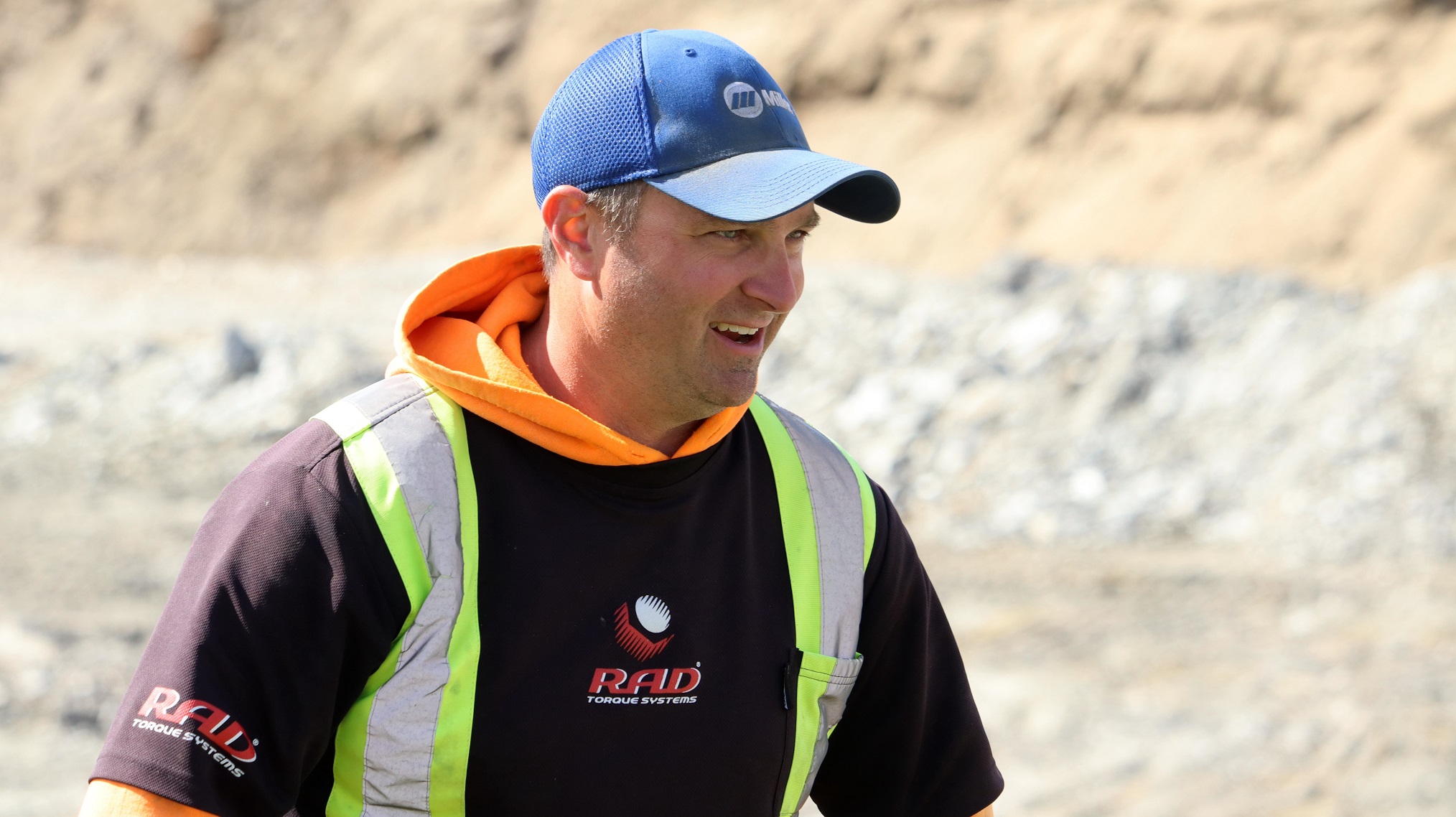
This season, Indian River has largely avoided recurring crises. The operation has run efficiently enough that it does not demand constant emergency intervention. In television terms, success without visible struggle generates less airtime. Mitch’s absence, then, may be the clearest indication that his site is performing exactly as intended.
The broader storyline has also evolved. The show now focuses less on whether Parker can keep things running and more on whether he can sustain an operation at this scale. Financial exposure, long-term planning, and production strategy take centre stage. Those decisions happen at a level removed from the hands-on mechanical work that once defined Mitch’s on-screen role.
At the same time, figures like Tyson Lee have naturally gained more attention. Season 16 marks a turning point in Tyson’s development — from trusted operator to leader facing genuine authority. By placing him in charge of major wash plants and crews, Parker has deliberately pushed him into uncomfortable territory, where decisions affect not just gold totals but people’s livelihoods.
This shift does not diminish Mitch Blaschke’s importance. If anything, it highlights the confidence Parker places in him. Parker does not hover over Indian River or question Mitch’s judgement on camera. That silence reflects trust, not neglect. Mitch has reached a level where his work no longer requires constant oversight — or constant explanation to viewers.
Earlier in Parker’s career, the operation was fragile. Key people needed to be close at hand. Today, Parker is running something closer to a network than a single crew. Mitch’s role has evolved into embedded leadership, quietly ensuring one part of the machine runs smoothly while attention shifts elsewhere.
For viewers concerned that Mitch is being sidelined, the show’s history suggests otherwise. Gold Rush has always rotated its focus toward the people under the greatest pressure. If Indian River stumbles, or if production there is threatened, the cameras will follow. Until then, Mitch’s lower profile may simply reflect a season operating at a higher level of stability.
Ultimately, Mitch Blaschke’s reduced screen time is not a sign of conflict or decline. It is a marker of growth — both for Parker Schnabel and for the organisation he has built. By spreading responsibility across trusted leaders and deliberately developing the next tier of management, Parker has created an operation capable of functioning without constant intervention.
If Season 16 achieves its ambitious target, it may be remembered not just for the numbers, but for the moment Parker’s mining operation fully matured. In that context, Mitch Blaschke’s quiet presence is not an absence at all — it is evidence that some of the most important work in Gold Rush now happens off screen.