Deadliest Catch: Total Power Failure Turns a Routine Run Into a High-Risk Test at Sea
A Sudden Blackout on the Bridge
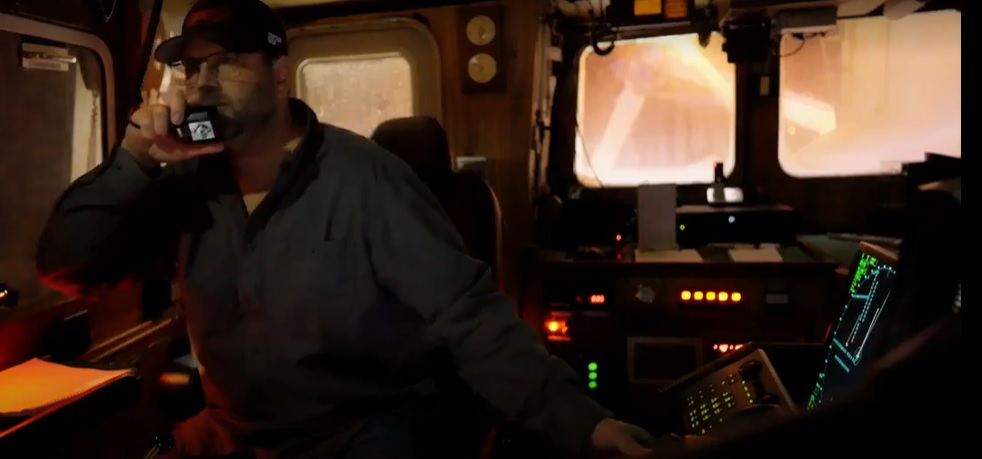
What began as a routine push to finish hauling crab quickly spiralled into a dangerous situation on Deadliest Catch. Without warning, the vessel’s bridge went dark. Every critical system failed at once — no plotter, no radar, no sounder, no cameras.
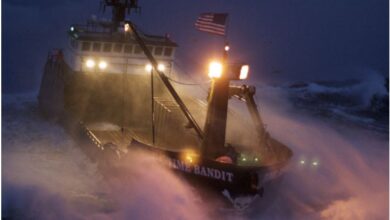
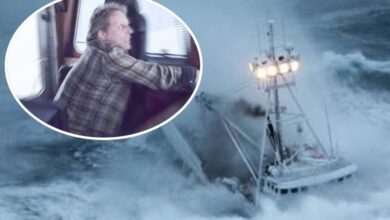
As wave heights increased and green water started coming over the rails, the crew realised they were facing one of the worst scenarios possible: navigating heavy seas with no electronic guidance.
Racing the Clock Before Offload
The timing could not have been worse. The boat was topping off its tanks and preparing to head for offload, but the numbers were not there yet. The crew needed roughly another 3,000 pounds of crab to meet their target.


Early pots were underwhelming, averaging well below what was required. Every pot mattered, and every delay increased the pressure. With worsening weather and shrinking margins, turning back was not an option.
What Caused the Failure
After a violent roll, the source of the blackout became clear. A UPS unit had broken loose and slammed into the wiring behind the dash, melting cables that fed power to the navigation and monitoring systems.
The damage was extensive. These were not standard wires that could be easily replaced or spliced at sea. The electronics were effectively dead.

No Screens, No Safety Net
With the navigation system offline, the crew faced a stark reality. They still knew their approximate position, but without radar or plotter data, even locating the remaining gear became a challenge.
Abandoning the remaining pots would mean missing quota and risking the entire offload. Pushing forward meant operating blind in deteriorating conditions.
An Improvised Solution
With no other option, the crew turned to the only tool still working — a mobile phone. Using a GPS app, they manually entered the latitude and longitude of the last hauled pot.
From there, headings were calculated by hand. Bearings were called out. Course adjustments were made one degree at a time. It was far from ideal, but it was the only way forward.
“This isn’t going to be easy,” became the unspoken truth on the bridge.
Navigating Blind Through Heavy Seas
As the vessel crept along the string, tension filled the wheelhouse. Without radar or sonar, spotting buoys relied entirely on sharp eyes and clear communication.
Then, finally, a breakthrough. A buoy appeared off the starboard side — proof that the improvised navigation was working. The relief was immediate, but there was no time to celebrate.
The Turnaround in the Pots
Once the crew was back on the gear, the fishing improved dramatically. Crab counts climbed with each pot. Triple-digit numbers appeared, exactly what the boat needed at the last possible moment.
Each successful haul eased the pressure, confirming that staying the course had been the right call.
Still Not Out of Danger
Even as the numbers improved, the danger remained. The electronics were still down, and the boat would have to make the run to Dutch Harbor using the same phone-based navigation.
The margin for error was slim, and the weather showed no signs of easing.
A Lesson Written in Real Time
This moment captured the harsh reality of life in the Bering Sea. Technology can disappear in seconds, and when it does, experience, teamwork, and calm decision-making are all that remain.
On Deadliest Catch, success is not always about the biggest haul. Sometimes, it is about finding a way forward when everything that should work suddenly doesn’t.
One More Test Before Safe Harbor
With enough crab finally on board, the crew still faced one last challenge: getting home safely with nothing but coordinates, headings, and trust in each other.
In the unforgiving world of the Bering Sea, that is often the final and most important test of all.